
Morocco's Strategic Review of GITEX Africa's Influence
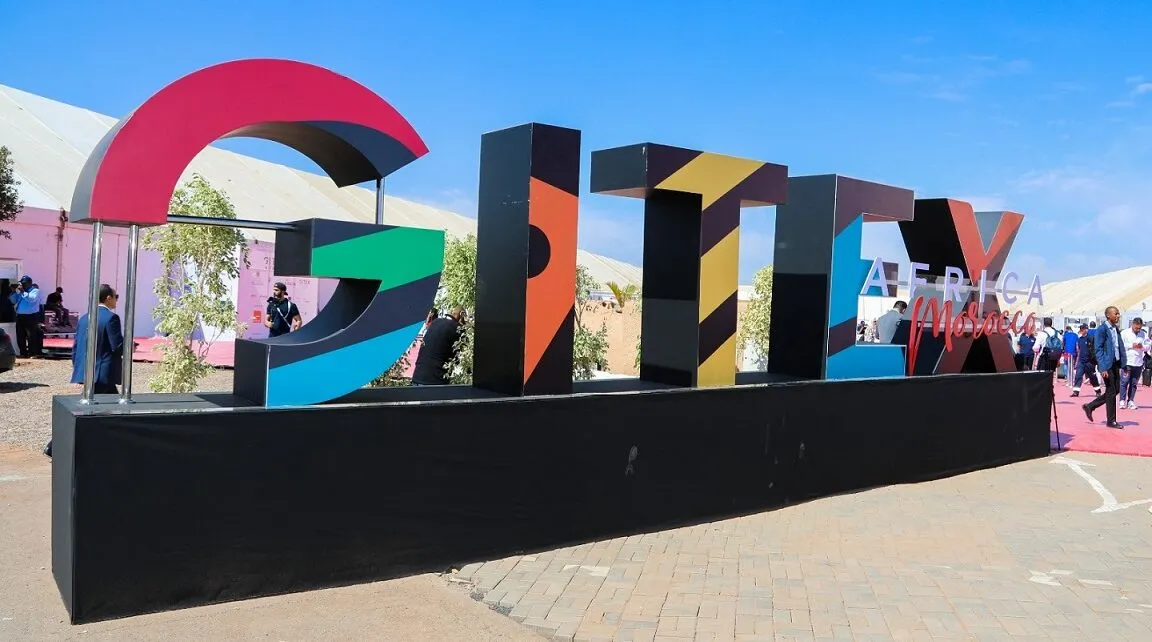
In a significant move to assess the ongoing value of the GITEX Africa technology event, Morocco's Digital Development Agency (ADD) has initiated a comprehensive review four years after its inception. The primary aim of this evaluation is to determine how effectively GITEX Africa has contributed to the nation's digital landscape and economic growth. To facilitate this process, ADD has engaged an external consultancy firm tasked with analyzing various dimensions of the event, including its economic impact, business opportunities, technological advancements, and media engagement. This strategic review is crucial as Morocco continues to forge its path within the global technological arena.
Comprehensive Analysis and Future Directions
The consultancy will undertake a thorough analysis by first mapping the financial, human, and technological resources that have been leveraged to organize GITEX Africa. This evaluation will focus on six key areas: strategic development, economic contributions, institutional interactions, the technology ecosystem, technological advancements, and media coverage. The economic analysis will delve into aspects such as spending by exhibitors and visitors, revenue generation, local supplier engagement, job creation, as well as startup funding and investment dynamics. Additionally, the review aims to identify successful elements of GITEX Africa, while also pinpointing areas that require transformation to enhance future iterations of the event.
Furthermore, the consultancy will benchmark GITEX Africa against prominent international technology conferences, thereby establishing performance targets and measures for future progress. This structured evaluation will unfold in five distinct stages: defining the scope of the review, developing a comprehensive evaluation framework, gathering relevant data, analyzing the findings, and ultimately composing a detailed final report. This report will leverage insights from approximately twenty interviews and ten focus group discussions, ensuring a well-rounded perspective on the event's impact.
Moreover, this review coincides with Morocco's ambitious Digital Morocco 2030 strategy, which outlines an investment plan of around $1.1 billion for the period of 2024 to 2026. This initiative aims to elevate direct technology employment from 60,000 to an impressive 240,000 by 2030, while also fostering the growth of 3,000 active startups. The strategy anticipates that digital exports and outsourcing revenues will soar to 40 billion dirhams, equating to roughly $4 billion, by the target year. The ongoing assessment of GITEX Africa is a pivotal component of this broader strategic vision.
As GITEX Africa expands its reach beyond Moroccan borders, with plans for events in Nigeria and Egypt, as well as potential expansions into Europe and Asia, the review holds vital importance. Recent iterations of the event have successfully attracted over 55,000 visitors from more than 130 countries, showcasing the participation of 1,450 to 1,500 exhibitors from 58 nations, and engaging with 412 international venture capital firms managing assets exceeding $350 billion. This growing international involvement underscores the necessity for Morocco to continuously evaluate and enhance its digital initiatives.
As reported by northafricapost.com.