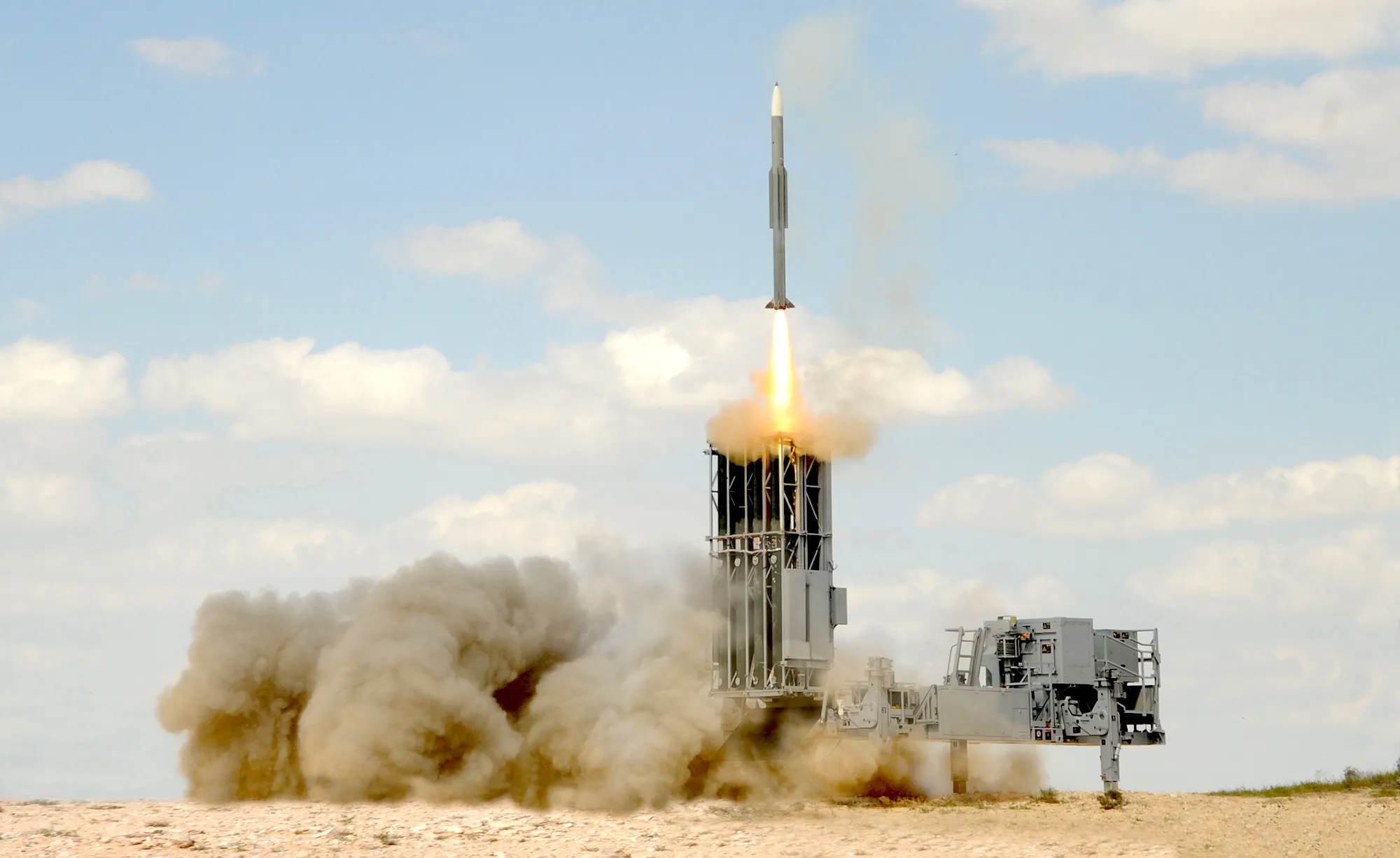

According to sources from Israel, Morocco is planning to procure additional military equipment from Israel to further modernize its armed forces. Currently, this North African nation utilizes Israeli air defense systems, rocket artillery, drones, and loitering munitions, while also expanding its collaboration into industrial cooperation and space-based reconnaissance. This strategic shift is significantly fueled by Morocco's long-standing rivalry with its neighbor, Algeria.
Israel and Morocco appear poised to enhance their defense collaboration even further. Reports from Israeli sources indicate that Rabat is considering the acquisition of more Israeli weapon systems. This development continues a trend that has gained considerable momentum since the normalization of diplomatic relations in 2020. Although Israel and Morocco do not share a mutual defense pact akin to NATO, their security cooperation has been institutionalized through formal agreements, joint work plans, military cooperation, and extensive arms purchases.
Formal Defense Cooperation Since 2021
The foundation of current relations was established through the normalization of diplomatic ties under the Abraham Accords in 2020. In November 2021, representatives from both nations' defense ministries signed a Memorandum of Understanding (MoU), which created a formal framework for security and defense collaboration for the first time. This agreement facilitates the exchange of intelligence, joint military training, armament acquisitions, and industrial collaboration.
Since then, both countries have regularly agreed on joint military work programs that encompass the modernization of armed forces, air defense, reconnaissance, and artillery. Consequently, Israel has quickly become a significant supplier of modern military technology to Morocco. Key areas of focus include air and rocket defense systems, unmanned technologies, electronic warfare, and long-range precision capabilities.
Algeria as the Main Regional Rival
The growing defense cooperation between Israel and Morocco must be viewed in the context of Morocco's tense relationship with Algeria. At the heart of this rivalry is the conflict over Western Sahara, where Morocco claims sovereignty while Algeria supports the Polisario Front, which seeks independence for the region. Diplomatic relations between Rabat and Algiers have been strained for decades, with their shared land border closed since 1994. In 2021, Algeria severed diplomatic ties with Morocco entirely.
Both nations traditionally pursue different foreign and security policy orientations. Morocco maintains close diplomatic and military relations with the United States and various European nations, while Algeria has long engaged in extensive security and arms relations with Russia. Furthermore, Iran's role in Moroccan security policy cannot be overlooked; Rabat cut diplomatic ties with Tehran in 2018, accusing Iran and Hezbollah of supporting the Polisario Front.
Among Morocco's notable acquisitions from Israel is the BARAK MX air and missile defense system from Israel Aerospace Industries (IAI). Reportedly ordered in 2022 for approximately $500 million, the BARAK MX is designed as a multi-layered air defense system capable of engaging various threats, including aircraft, drones, and missiles. According to Israeli sources, Morocco has completed the deployment of this system and has commenced operations, marking a significant step in modernizing its air defense capabilities and showcasing the increasing importance of Israeli technology within the Moroccan armed forces.
However, Morocco's military cooperation with Israel extends beyond air defense. The country has procured a range of Israeli systems for various military tasks. In 2021, Morocco acquired the SkyLock system for drone defense, a mobile platform designed to detect and disrupt the operations of hostile unmanned aerial vehicles through electronic countermeasures. Additionally, the Precise and Universal Launching System (PULS) from Elbit Systems was also ordered, enhancing the Moroccan army's capabilities for long-range precision strikes.
Moreover, the collaboration encompasses unmanned systems, with Morocco having acquired the Israeli Heron drone and the loitering munitions known as Harop. Other unmanned systems, such as the WanderB and ThunderB, are also part of this procurement effort. Notably, Morocco's cooperation has evolved from merely importing Israeli defense goods to establishing local production capabilities. An agreement with BlueBird Aero Systems will see the local manufacturing of the loitering munition SpyX, marking an important development for Moroccan industry in producing Israeli-developed unmanned systems.
In a groundbreaking agreement in 2024, Morocco is reported to have procured a modern Israeli reconnaissance satellite from IAI, with the contract valued at around $1 billion. This satellite is expected to provide Morocco with its own strategic capability for space-based intelligence gathering, allowing Rabat to monitor developments across North Africa and beyond while reducing reliance on international partners for information.
Since the diplomatic normalization in 2020, Israeli-Moroccan relations have significantly evolved from mere political rapprochement to a comprehensive partnership encompassing intelligence sharing, training, air defense, rocket artillery, unmanned systems, space-based reconnaissance, and industrial collaboration. Nonetheless, it is essential to note that this does not constitute a formal military alliance, as neither Israel nor Morocco is obligated to provide military assistance to the other in case of conflict. Instead, their partnership is grounded in shared security interests, bilateral agreements, and increasingly close military-technical cooperation.
The planned acquisition of further Israeli systems, as indicated by Israeli sources, suggests that this collaborative trajectory will continue. Israel has become a vital defense partner for Morocco in North Africa, while Rabat gains access to Israeli technologies that can enhance its military capabilities and strengthen its position against its regional rival, Algeria.
As reported by esut.de.