

Morocco's Strategic Decision to Extend Wheat Tariffs
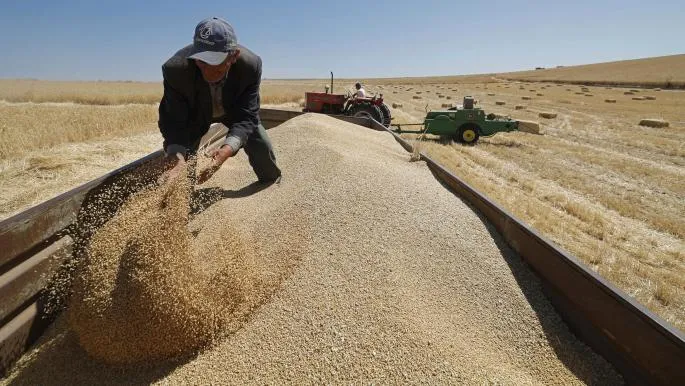
In a significant move to bolster its local agriculture, Morocco has decided to extend the tariffs on soft wheat imports until the end of August. This decision is aimed at supporting the marketing of the local harvest, which has been hindered by a sluggish collection process. Recent forecasts suggest that grain production in the country is expected to rise to a remarkable nine million tons, following an end to a prolonged drought that plagued the region for seven years. However, the slow pace of harvesting has raised concerns about potential shortages in the coming months, particularly as current stockpiles are estimated to last only three months.
Challenges Facing Local Farmers and Millers
The Moroccan wheat sector is grappling with various challenges that complicate the collection and quality of the local harvest. A shortage of labor, aging equipment, and the coinciding Eid al-Adha holiday have all contributed to the sluggish pace of harvesting, prompting fears of a supply crunch in the near future. Notably, the National Federation of Mills and the National Union of Grain and Pulses Traders have highlighted that the quantities of wheat collected thus far have only reached 500,000 tons, which is significantly below the targeted 1.5 million tons by the end of July. Many farmers are reportedly retaining portions of their harvest for personal use, further restricting the available supply in the market.
Moreover, the quality of locally sourced wheat has also raised alarms among mill operators, with protein content falling to around 10.5%, below the minimum requirement of 11.5% for producing bread flour. This drop in quality has been attributed to decreased usage of nitrogen fertilizers, exacerbated by rising costs linked to market disruptions in the region. As a result, millers are compelled to blend local wheat with higher-protein imported varieties to meet quality standards.
With existing wheat stocks dwindling and the government yet to resume support for wheat imports, industry stakeholders are anxiously awaiting a decision on the matter. Any delays could exacerbate supply shortages, particularly as global prices continue to rise. The Moroccan market imported approximately 5.1 million tons of soft wheat in the previous season, predominantly from France, which accounted for 70% of these imports, followed by Argentina, Russia, and Germany. As the nation navigates these challenges, the focus remains on sustaining local production while addressing the pressing issues of quality and supply.
As reported by alaraby.co.uk.

