
Morocco's Diesel Dependency Under Threat
As of October 2, 2026, Morocco finds itself in a precarious situation regarding its diesel supply, heavily reliant on two primary sources: Russia and the United States. The ongoing crisis stems from Russia's extension of its export restrictions and the looming threat from the U.S. to limit its diesel exports as well. Since the closure of the Samir refinery, Morocco has had no operational refinery, making it increasingly dependent on international market shipments for fuel.
In a recent analysis published by Al Jazeera, energy expert Yahya Hammad highlighted Morocco's vulnerability to potential U.S. restrictions, emphasizing the kingdom's reliance on imported fuels from both nations.
The situation has been exacerbated by Russia's growing influence on Moroccan fuel supplies. In the first half of 2026, Russia accounted for a staggering 1.35 million tonnes of diesel and gasoil supplied to Morocco, out of a total of 4.34 million tonnes imported, thus becoming the kingdom's largest supplier. However, with the recent extension of Russia's export restrictions until the end of October, the country's ability to meet Morocco's demands is in jeopardy. Attacks on Russian refineries have disrupted production, forcing authorities to prioritize domestic fuel needs. Nonetheless, Russian Deputy Prime Minister Alexander Novak hinted at a potential easing of restrictions if production surpasses domestic requirements, as reported by Reuters.
Global Responses to the Diesel Dilemma
The situation has become even more complex with the U.S. contemplating restrictions on its diesel exports in response to soaring domestic prices. Such a move could have dire consequences for Morocco, severely limiting its options for sourcing alternative shipments to replace the Russian supply. However, a collective response from G7 nations announced on Friday aims to alleviate some of this pressure. The G7 has committed to releasing 100 million barrels of oil and refined products, including a significant amount of diesel, within the first twenty days. They have also pledged not to impose export restrictions on each other, which is crucial for Moroccan importers as they navigate this competitive landscape.
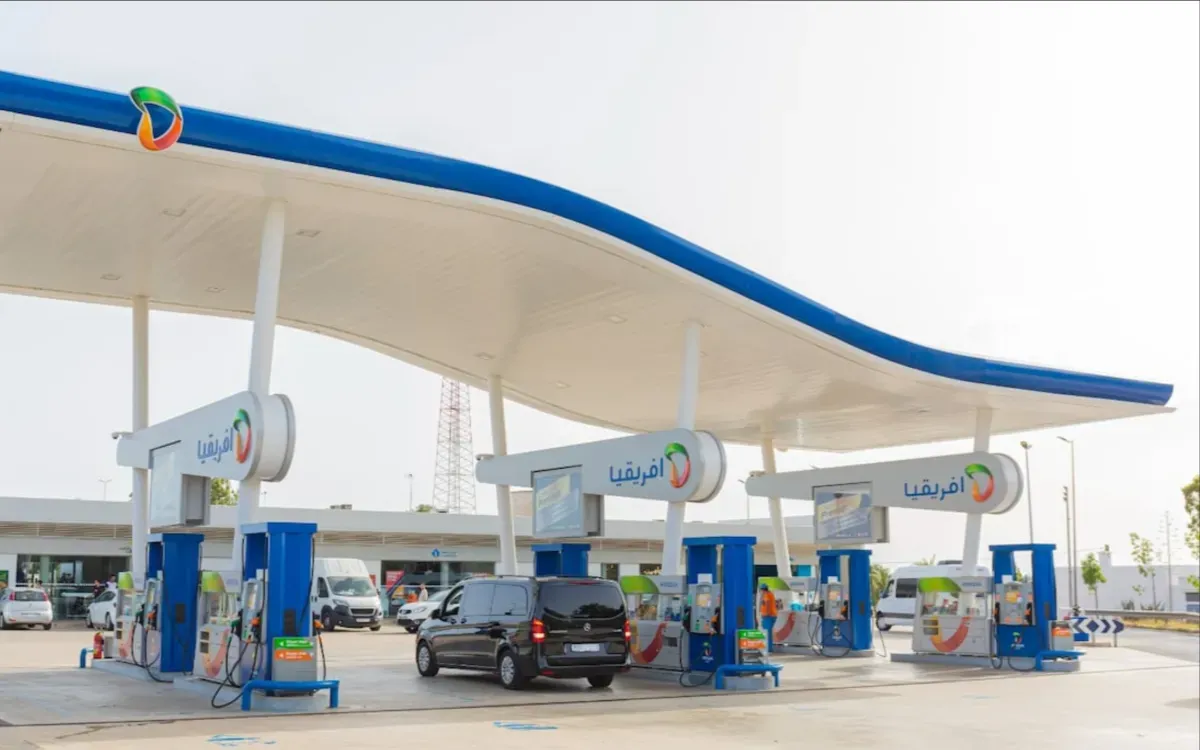
For Moroccan importers, the additional volumes released by the G7 can potentially ease the competition among buyers. However, the refining aspect remains a major hurdle. Simply having access to crude oil does not suffice when the facilities required to process it are incapacitated or when shipping routes are disrupted. The strain on diesel supply comes at a time when prices have already surged above 16 dirhams at several Moroccan stations, reflecting a 28% increase since early July, translating to nearly 175 dirhams more for a full tank of 50 liters.
The rising cost of diesel has broader implications beyond just motorists; it significantly impacts transporters and farmers as well. Rising fuel prices translate directly into increased costs for transporting goods, operating tractors, and running irrigation pumps, which can then lead to higher prices for products sold in Morocco. This situation underlines the interconnectedness of fuel supply stability and the overall economic landscape in Morocco.
As reported by bladi.net.