
Morocco's Transformation: A New Era of Confidence
The sun blazes down on the swimming pool of the Al-Minzah Hotel in Tangier, where a group of American women lounge by the water's edge, engrossed in novels and travel tales from times long past. Once considered a North African paradise for free spirits, Tangier attracted a diverse crowd, including the likes of eccentric writer Paul Bowles and the iconic William S. Burroughs. Even rock legend Mick Jagger was rumored to have visited for a taste of the local culture. However, the days of Beatniks and artists wandering the streets are long gone, replaced by the polished façade of modern Morocco. The Al-Minzah, with its traditional servers and timeworn bar, offers gin and tonics or vodka martinis to combat the heat, but outside, the scene has changed dramatically.
Today's Morocco stands as a confident regional power, a stark contrast to the impoverished nation of Bowles and Burroughs' era. The country has recently asserted itself against Europe, especially in light of the recent crisis in Ceuta, where thousands of migrants surged into the Spanish exclave. Many in Europe have positioned the blame on Morocco, suggesting that the nation is using migrants as leverage to extract financial concessions. Yet, the Moroccan response is clear: "We are no longer your border guards. Europe must address its own migration issues." This sentiment echoes throughout the kingdom, signifying a departure from the role of a subservient nation.
Building a New Identity
As one travels from Tangier to Casablanca, it becomes evident that Morocco has undergone a significant transformation. No longer the impoverished beggar at Europe’s gates, the country exudes a newfound self-assurance. Ibrahim, a coffee vendor in Tangier, shares his journey of living in Europe, particularly Spain, where he found good work during better times. Now back in Tangier, he reflects on the wind of change that has swept over Morocco. "We may still be poorer than Europeans, but we own the future," he asserts as he brews coffee for his customers, a symbol of the economic resurgence that has seen the nation’s GDP quadruple since King Mohammed VI's ascension in 1999.
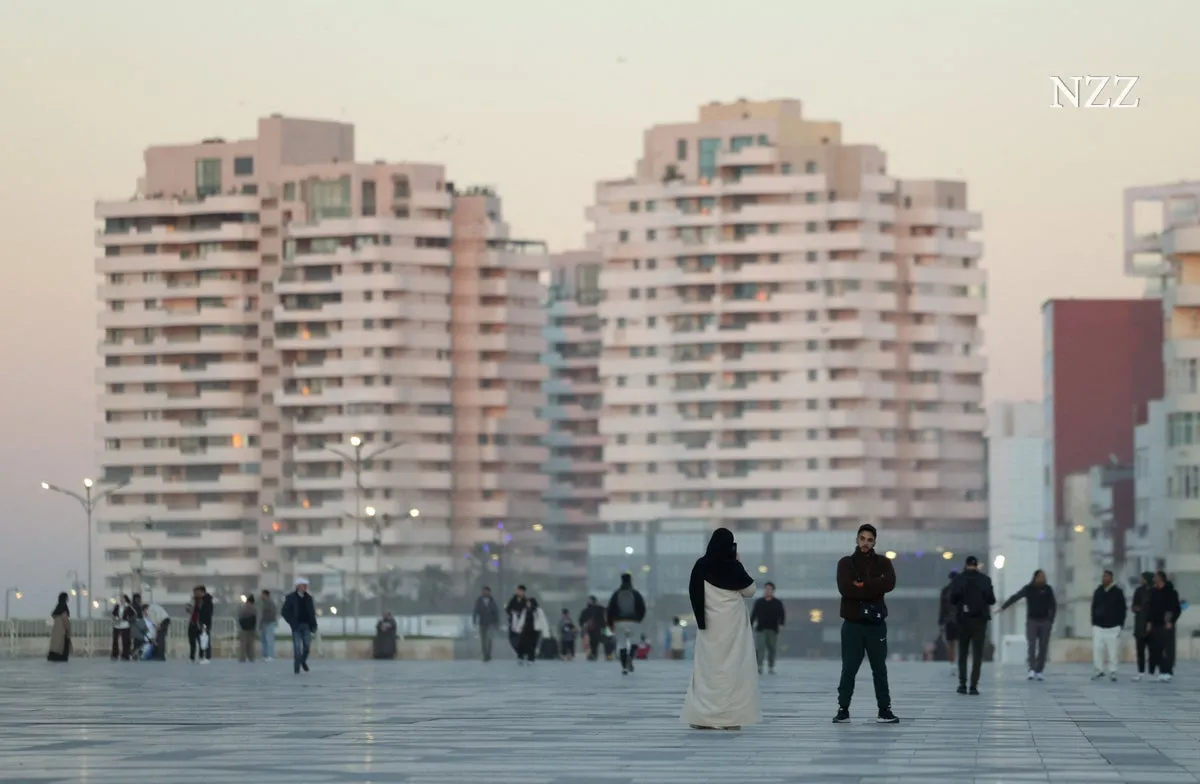
The economic boom is visible across the nation, especially in Tangier, now equipped with a modern infrastructure that rivals European cities. The largest container port in Africa, Tangier Med, bustling McDonald’s franchises, and a high-speed train connecting to Rabat in just over an hour are all testaments to this growth. Major corporations like Renault and Stellantis have established significant manufacturing plants, and the landscape is dotted with solar farms and wind turbines, heralding a sustainable future. In 2030, part of the FIFA World Cup will also take place here, further solidifying Morocco’s status on the global stage.
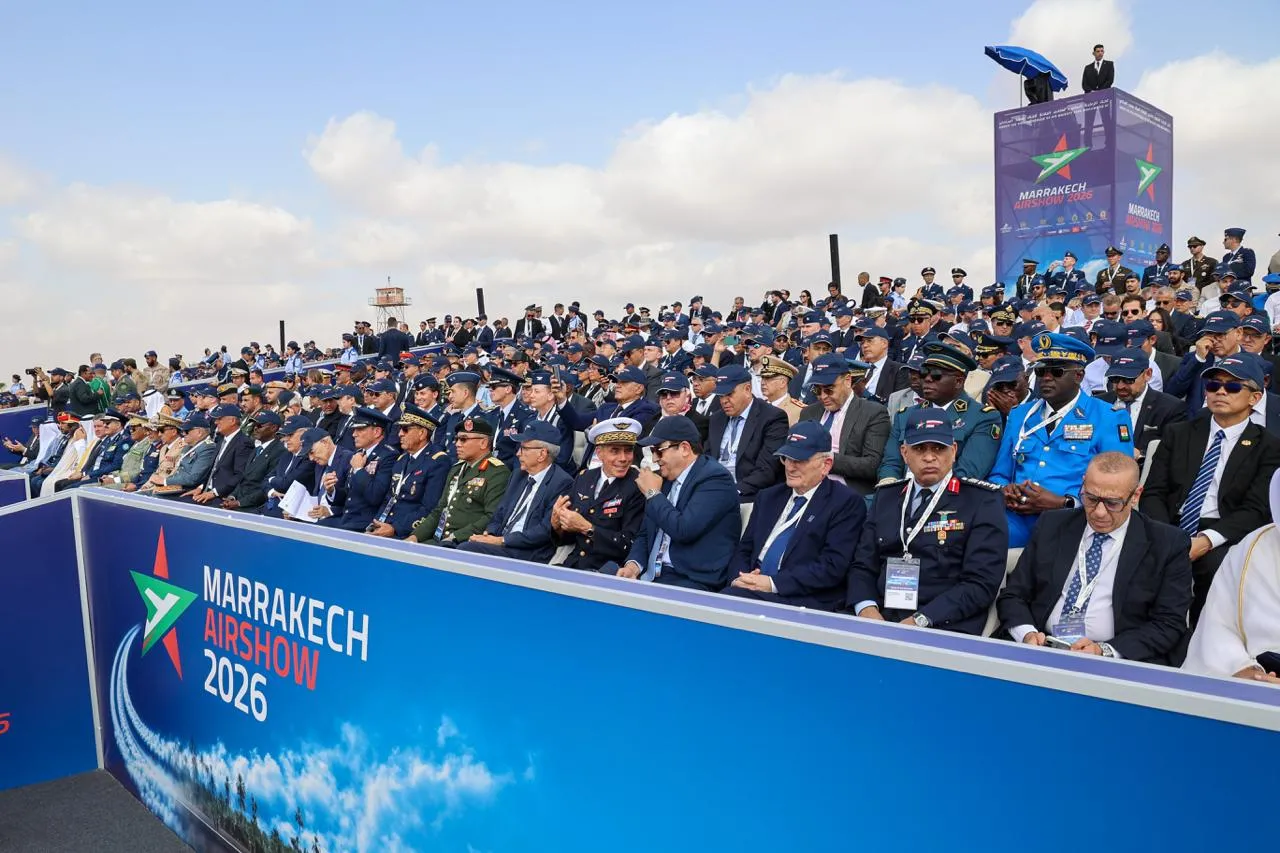
Karima Rhanem, a political consultant, navigates the bustling atmosphere of Rabat during parliamentary elections. Though she is currently unable to speak to journalists officially, she will later articulate Morocco’s ambitions in an email, highlighting the country’s evolving geopolitical role. The recent tensions with Spain over Ceuta are expected to be resolved through bilateral discussions, a reflection of Morocco’s shift from being a compliant ally of France and the West to pursuing an independent foreign policy. The kingdom has normalized relations with Israel, exerted influence in Africa, and maintained favorable ties with the United States and the United Arab Emirates.
This newfound strength is underscored by a young political analyst’s assertion that the Spanish enclaves of Ceuta and Melilla are rightfully Moroccan, suggesting that border security could be wielded as leverage. The ongoing conflict over Western Sahara, where Morocco faces off against Sahrawi rebels supported by Algeria, exemplifies the kingdom's assertiveness. Recently, Morocco managed to sway France and Spain to its side, showcasing its diplomatic clout.
Casablanca, the nation’s largest economic hub, presents a contrasting picture to the glamorous portrayal of the city in the classic 1942 film. While the fictional Rick’s Café attracts tourists, the real Casablanca is gritty and tough, with peeling white Art Deco façades left by French colonialists. The streets are alive with a blend of cultures, from techno parties and gourmet restaurants to smoke-filled taverns and impoverished neighborhoods, reflecting the stark divisions within Moroccan society.
For many young Moroccans, frustration simmers beneath the surface. As political parties in Spain exploit the Ceuta crisis to stoke anti-Arab sentiments, a sense of disillusionment pervades the youth, who often choose to abstain from participating in elections. Yet, Moroccan bloggers are attempting to galvanize nationalistic sentiments, portraying the migration influx as a hostile invasion. This narrative serves to rally the populace around a common cause, even as the reality on the ground varies widely.
As reported by nzz.ch.