
Morocco-Germany Undersea Cable Project Faces Major Obstacles
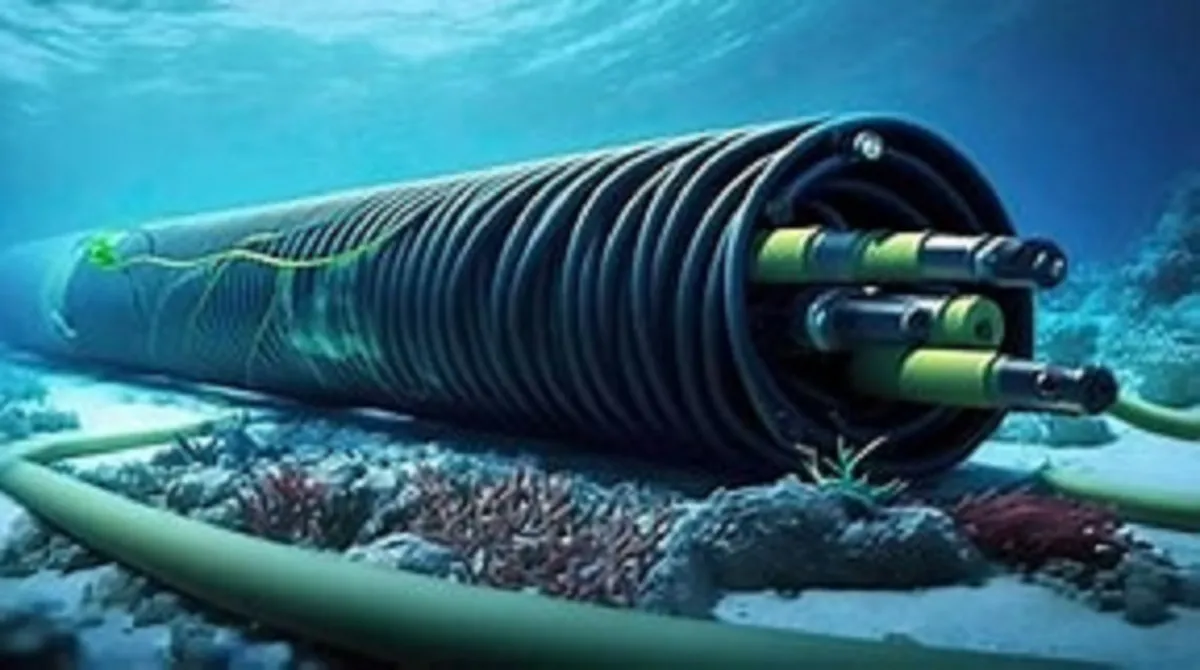
The ambitious undersea cable project known as Sila Atlantik, which aims to connect Morocco to Germany through a series of high-voltage cables for the export of renewable electricity, is currently facing significant delays due to disagreements between the two nations. This $30 billion initiative, designed to facilitate the transfer of renewable energy, is at an impasse as reported by Reuters, highlighting the complexities involved in international energy collaboration.
The project encompasses two undersea cables extending approximately 4,800 kilometers, with the potential to supply up to 5% of Germany's annual electricity consumption through solar and wind installations based in Morocco. However, negotiations have stalled primarily over governance issues, project structure, and state guarantees. Morocco insists on the necessity of an intergovernmental agreement to secure long-term support from Germany, while also advocating for a bi-directional electricity exchange, which would allow for energy flow in both directions rather than solely exporting electricity to Germany. Although German sources acknowledge that this bidirectional exchange is technically feasible, they caution that it could be more economically burdensome.
Another critical point of contention revolves around the allocation of land required for the project. Morocco has yet to approve the provision of approximately 150,000 hectares in the Guelmim-Oued Noun region, a step that was anticipated from previous project discussions, particularly those surrounding the earlier Xlinks initiative. Despite these setbacks, Sila Atlantik's representatives remain optimistic, asserting that the project is progressing in line with its technical, commercial, regulatory, and financial roadmap. They are actively exploring various technical and regulatory options to support the project's long-term development.
Meanwhile, the Moroccan Ministry of Energy Transition emphasizes that regional integration is a cornerstone of Morocco's energy transition strategy and underscores the importance of enhancing electrical interconnections with various European partners. This project, while currently at a standstill, holds significant potential for the future of renewable energy collaboration between Morocco and Germany.
As reported by medias24.com.