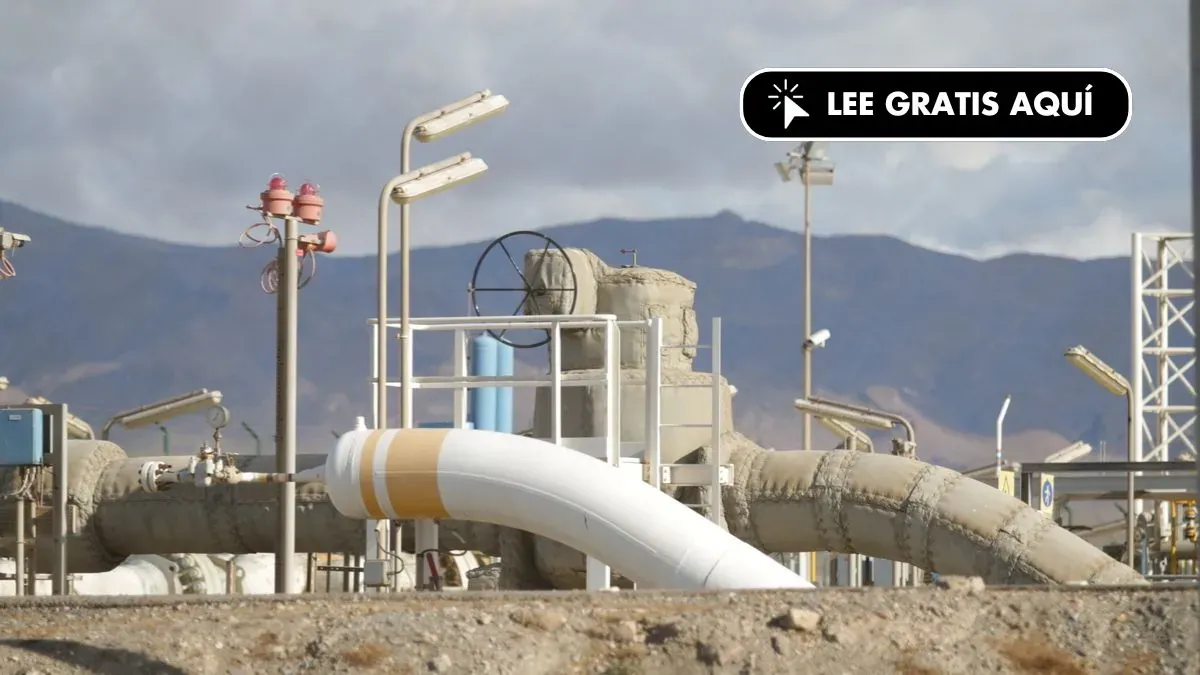

The Economic Community of West African States (ECOWAS) has officially approved the development of the Atlantic African Gas Pipeline, a monumental initiative aimed at transporting natural gas from Nigeria to Morocco, and subsequently connecting to the European energy network via the Strait of Gibraltar. The intergovernmental agreement was signed by heads of state from member countries in Freetown, Sierra Leone, paving the way for the next phase of a project valued between $25 billion and $27 billion (approximately €22 billion to €23.66 billion).
Driven by Morocco and Nigeria, this ambitious project will span approximately 6,800 to 6,900 kilometers, primarily traversing Atlantic waters and crossing the western facade of Africa. The pipeline will link Nigeria's gas fields with the energy networks of coastal nations, reaching Morocco where it will connect with the Maghreb-Europe Gas Pipeline (GME), which crosses the Strait and extends to Tarifa.
According to reports from theobjective.com, the project is expected to have a transport capacity of around 30 billion cubic meters of natural gas annually. It is projected that approximately half of this capacity will be allocated to the markets in Morocco and Europe, while the remainder will be made available for consumption by connected African nations. The initial phase of the project aims for gas to reach the Moroccan network and establish a connection with Europe by 2031, although full operational capacity of the infrastructure is anticipated to extend until 2046.
The ECOWAS agreement does not mark the commencement of construction; rather, it removes a significant political barrier to advancing toward financing and final investment decisions. The next step involves establishing a specific project company based in Casablanca to attract capital, prepare construction contracts, and finalize gas purchase agreements. Regulatory governance will be coordinated from Abuja.
This large-scale infrastructure project is being promoted by Morocco's National Office of Hydrocarbons and Mines (ONHYM) and the Nigerian National Petroleum Company (NNPC), starting from Nigeria and hugging the Atlantic coast as it passes through several countries.
As reported by theobjective.com.