Morocco Names Major Highway After President Trump, Signifying Strategic Ambitions
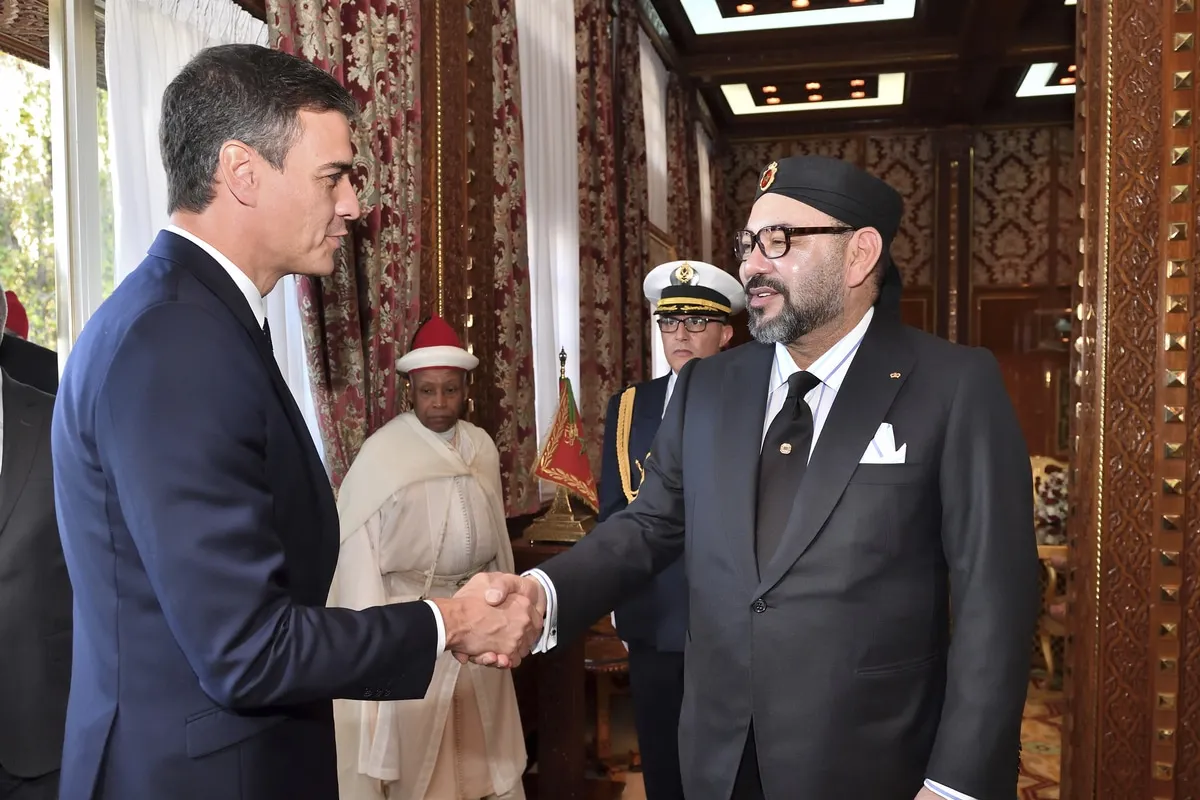
In a remarkable political gesture, Morocco has named a significant highway—stretching over 1,000 kilometers—after a foreign president, specifically Donald Trump. This highway connects Tiznit in the southern part of the country to Dajla, located at the farthest end of Western Sahara, which is under Moroccan control. This unusual homage not only reflects the personal relationship between Trump and Moroccan King Mohammed VI but also serves as a symbol of Washington's backing for Rabat's aspirations. The African Atlantic corridor is set to become a strategic nexus, showcasing Morocco's ambitions on the global stage.
Trump's response to this honor was enthusiastic, as he expressed his gratitude in a message on his social media platform, Truth Social. He thanked King Mohammed VI for the decision and deemed it a "great honor," indicating his hope to travel the expansive highway one day, a sentiment he reinforced with a video celebrating the historical ties between the United States and Morocco. The uniqueness of having a living U.S. president's name associated with an African highway traversing a disputed territory underlines Trump's distinctive approach to international relations.
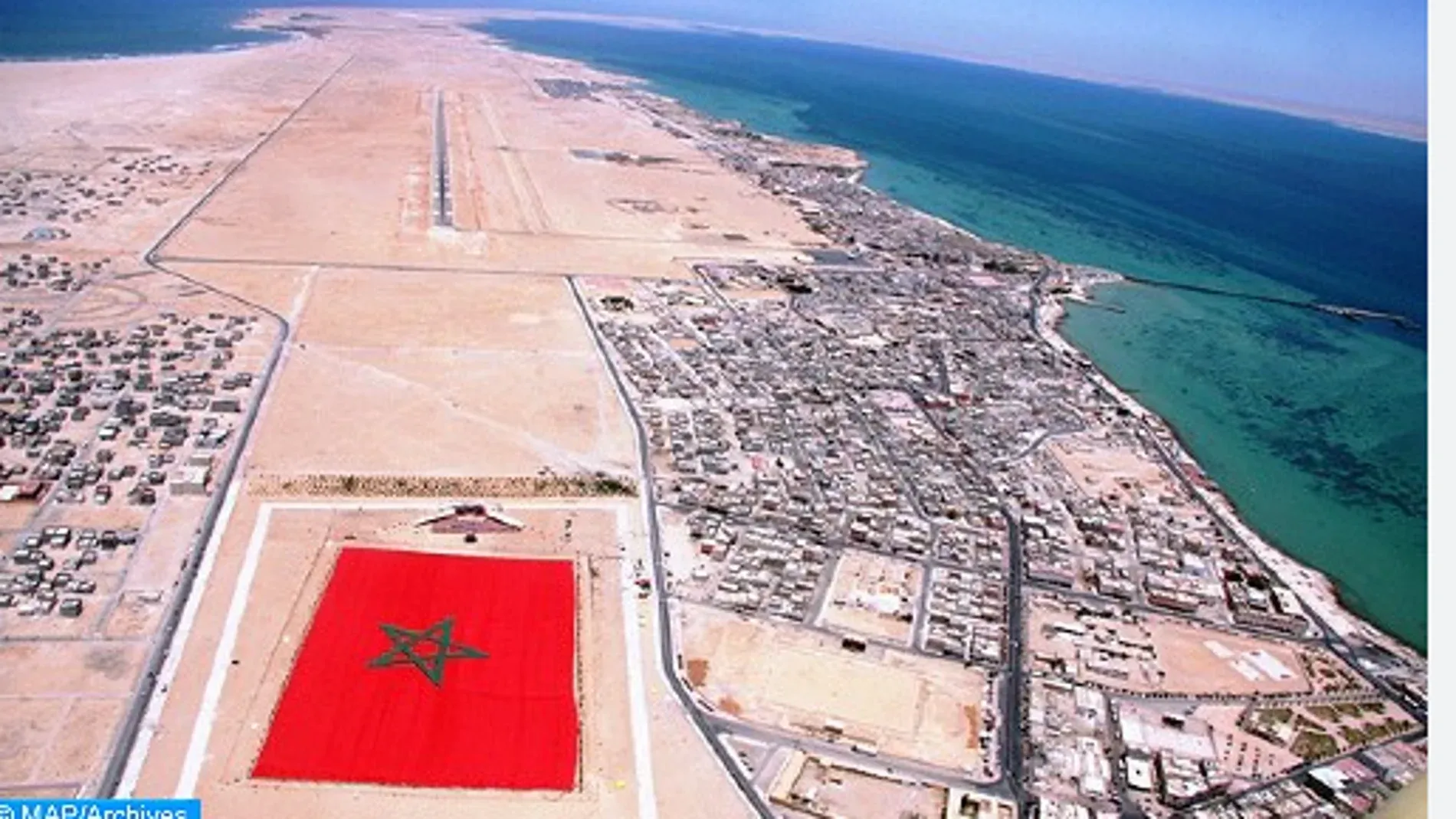
However, beneath this seemingly whimsical tribute lies a deeper strategic intention. For Morocco, this highway is not merely an infrastructure project; it is an integral component of a political and economic initiative aimed at solidifying its presence in Western Sahara while enhancing its role as a regional powerhouse connected to West Africa. The Donald J. Trump Highway spans approximately 1,055 kilometers, passing through Laayoune, the primary city in the territory governed by Rabat. The investment in this project is around $1 billion and is part of Morocco's broader development program for the southern provinces, which seeks to transform a historically marginalized region into a vital economic corridor leading to the Atlantic Ocean.
Dajla, formerly known as Villa Cisneros during the Spanish colonial era, is the strategic focal point of this initiative. The city is positioned advantageously along key Atlantic maritime routes and aims to establish itself as a logistical and commercial hub connecting Europe, sub-Saharan Africa, and Latin America. Furthermore, Morocco is in the process of constructing a major Atlantic port in Dajla, expected to commence operations by 2028, aiming to attract trade, investments, and connections with Sahelian countries.
Both the highway and the port are part of a cohesive vision: transforming the Moroccan-administered Western Sahara into an Atlantic economic platform. In recent years, Rabat has pursued a policy of substantial investments in roadways, airports, renewable energy, and industrial projects to strengthen the region's economic integration.
The political implications of this infrastructure are inextricably linked to its economic aspects. Western Sahara remains one of the longest-standing territorial conflicts in the international community. Once a Spanish colony, the territory was occupied by Morocco in 1975 following Spain's withdrawal, while the Polisario Front claimed independence and declared the Sahrawi Arab Democratic Republic.
Following years of conflict, Morocco and the Polisario Front reached a ceasefire in 1991 under the auspices of the United Nations, with plans to hold a self-determination referendum. However, disagreements over eligibility for the referendum stalled the process, leaving the dispute unresolved for decades. In this context, Trump's 2020 recognition of Moroccan sovereignty over Western Sahara marked a historic shift in U.S. policy. Previously, Washington had aligned more closely with international consensus, supporting a UN-led negotiation process.
This U.S. recognition was part of a broader agreement in which Morocco normalized relations with Israel. For Rabat, the Trump administration's decision represented a long-sought diplomatic victory, bolstering its strategy to garner international support for its autonomy proposal regarding the territory. Since then, other nations have adjusted their stances. Spain and France have expressed support for Morocco's autonomy plan as a basis for a political solution, a shift that the Polisario Front views as a betrayal of the Sahrawi cause, raising concerns in Algeria.
The rivalry between Morocco and Algeria renders the Sahara conflict more than just a territorial dispute. It plays a crucial role in the strategic equilibrium of the Maghreb, a region characterized by competition between the two nations for political, economic, and military influence in North Africa and the Sahel.
Thus, the highway named after Trump occupies a central position in various interpretations. For Morocco, it symbolizes modernization, connectivity, and international projection. For its critics, it represents an infrastructure aimed at solidifying a sovereignty that remains contentious on the international stage. The tribute to the U.S. president also carries a personal dimension that aligns with Trump's political style. Throughout his career in business and politics, Trump has turned his name into a recognizable brand associated with buildings, products, and projects. Having his name on an African highway adds a unique chapter to that extensive narrative.
As reported by larazon.es.