
Morocco's Initiative to Strengthen Human Rights Mechanisms
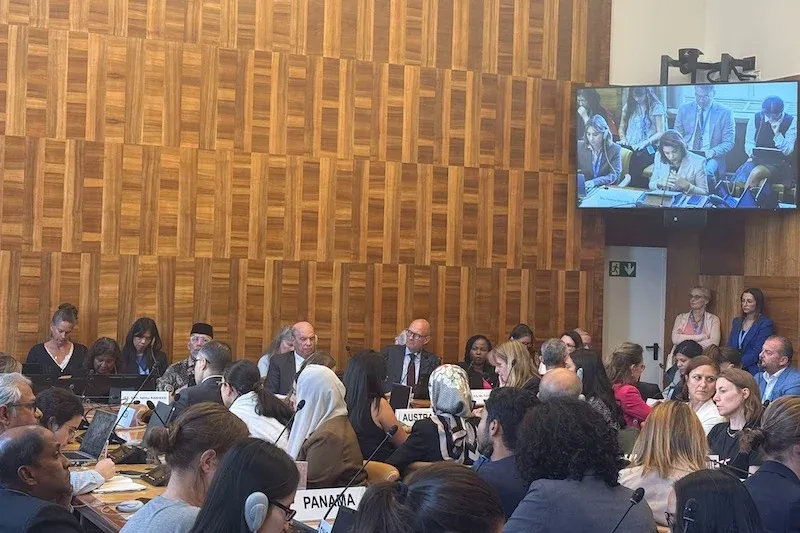
The Moroccan government has recently organized a significant side event in Geneva, focusing on enhancing the effectiveness of the Universal Periodic Review (UPR) mechanism. This event was a collaborative effort involving the Ministry responsible for Human Rights in Morocco, the United Nations High Commissioner for Human Rights, and the organization UPR Info. Under the theme "From Rabat to Geneva: Strengthening the UPR Process for Transformative Impact on Human Rights," the gathering aimed to present the outcomes of the recent "Rabat Retreat" while engaging in discussions about future enhancements to the UPR process.
The event attracted representatives from various permanent missions accredited to the United Nations, alongside international experts and civil society actors, all contributing to a rich dialogue aimed at improving human rights practices globally. Notable speakers included the President of the Human Rights Council, Indonesian Ambassador Sidarto Danusubroto, as well as ambassadors from Norway, the Maldives, and Kenya, along with Juliette de Rivero, head of the UPR branch at the UN Human Rights Office, and Mona Mbikayi, Executive Director of UPR Info.
Key Takeaways from the Rabat Retreat
During the event, Yasmin Boutib, speaking on behalf of the Minister responsible for Human Rights, emphasized Morocco's commitment to the UPR mechanism and the dialogue that underpins the universality of human rights. She highlighted that the "Rabat Retreat," which took place on June 5-6, provided a collaborative space for reflecting on the future of this essential mechanism. It was noted that the retreat saw participation from the Human Rights Council's President, representatives from 26 countries, as well as various UN agencies, national institutions, civil society, academic circles, and independent experts.
One of the pivotal conclusions from the retreat was the assertion that the UPR does not require reinvention but rather a bolstering of its capacity to effect tangible change, particularly by narrowing the gap between the recommendations made and their actual implementation. Proposed strategies included placing the issue of implementation at the core of the fifth UPR cycle, improving the specificity and relevance of recommendations to national contexts, and broadening participation in monitoring their execution. The Moroccan side also underscored the importance of national mechanisms for implementation, reporting, and follow-up as essential links between international obligations and public policies, advocating for enhanced coordination among institutions and clarity in responsibilities.
Additionally, the discussions affirmed the significance of technical cooperation and experience exchange, including South-South and triangular cooperation, as vital tools to enhance countries' capacities to meet their human rights obligations. It was emphasized that any efforts to enhance the effectiveness of the UPR should not compromise the fundamental principles underlying the mechanism, such as interactive and public dialogue, inclusivity, equal treatment of states, and the participation of all relevant stakeholders.
Morocco called for ongoing discussions regarding the future of the UPR, inviting cooperation among states, the UN High Commissioner for Human Rights, national institutions, civil society, and other partners. Participants in the meeting commended the level of engagement observed, viewing it as a reflection of the importance of dialogue surrounding the improvement of the UPR mechanism and the relevance of the conclusions drawn from the "Rabat Retreat." This initiative is part of Morocco's broader efforts to contribute to international discussions on the effectiveness of the human rights system, with plans for future retreats focused on other international human rights mechanisms.
As reported by hespress.com.