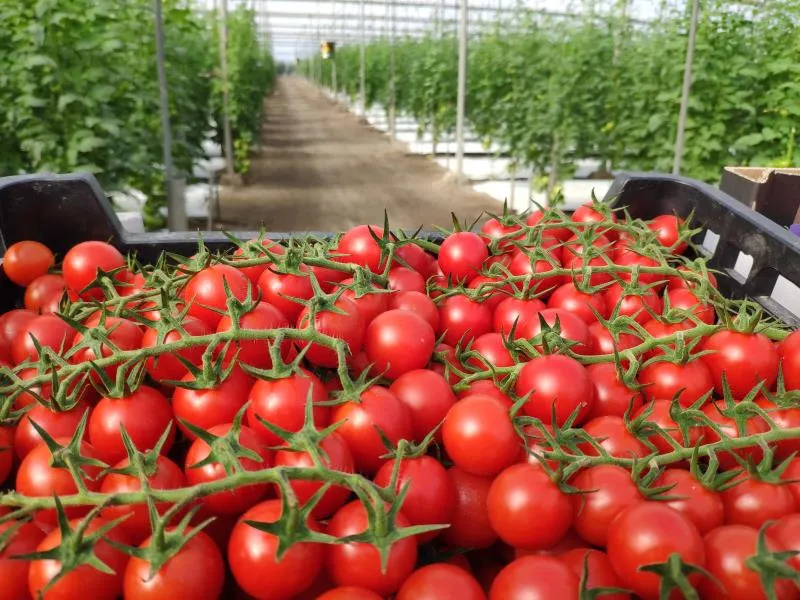

Export Control Measures for Moroccan Tomatoes
According to sources from the Interprofessional Federation of Fruits and Vegetables (Fifel), the decision to impose export restrictions on tomatoes was made by the Independent Agency for Control and Coordination of Exports, which operates under the Ministry of Agriculture. Representatives from the sector assert that this measure was taken in a collaborative manner with exporters' associations to ensure all stakeholders were in agreement.
This agreement has enabled a progressive control over prices both at the source and at the destination, aiming to stabilize the domestic market. The initial effects of this decision are already becoming evident. In retail outlets in central Rabat, the price of tomatoes has decreased from 14 dirhams per kilogram (approximately 1.3 euros) to 11 dirhams (around 1 euro), indicating a downward trend following the implementation of the export restrictions.
Despite the improvements in the domestic market, Fifel warns of potential repercussions for international trade. Moroccan exporters have existing contractual obligations with clients across Africa and Europe, and failing to meet these commitments could damage their reputation and provide opportunities for international competitors to step in.
Tomatoes are a crucial product in Morocco's foreign trade landscape. In 2024, the country exported 767,347 tons of tomatoes, which garnered an estimated value of 975 million euros, according to Trade Map data. The European Union accounted for a significant 75.6% of these exports, while the United Kingdom represented 16.58%, cementing their status as primary markets.
As of now, the Ministry of Agriculture has not issued any official communication regarding these measures, despite multiple requests for confirmation from various parties.
As reported by revistamercados.com.