
Judicial Measures to Combat Electoral Corruption in Morocco
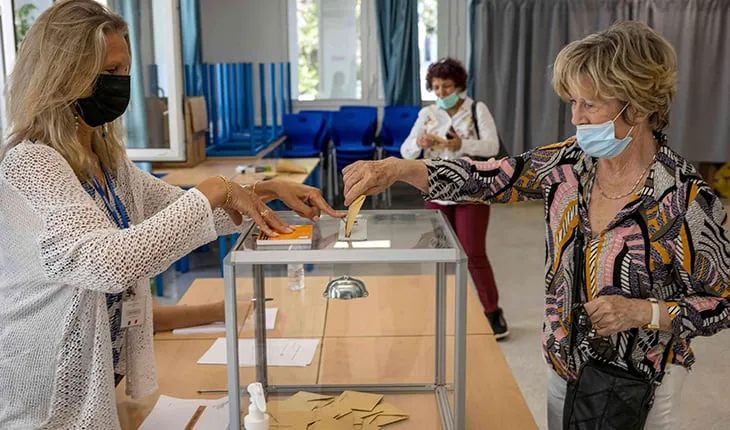
As Morocco approaches its upcoming electoral deadlines, judicial and oversight institutions are intensifying efforts to combat electoral corruption and enforce legal boundaries on political agendas. In this context, the Public Prosecution Office has issued a circular memo to public prosecutors across appellate courts and primary courts, urging them to firmly and decisively address any actions or practices that could undermine the integrity of the electoral process or affect its fairness and transparency. This directive emphasizes the necessity of swiftly and effectively investigating electoral complaints to ensure that legislative elections occur in an environment characterized by adherence to the law, integrity, transparency, and fair competition.
The memo calls for active mobilization and support from all public prosecution offices in light of the upcoming elections for members of the House of Representatives, scheduled for September 23. It insists on the need to counter any illegal practices that could jeopardize the electoral process, enforcing appropriate legal consequences for offenders. Furthermore, the Public Prosecution Office is tasked with ensuring continuous availability throughout the electoral period and enhancing coordination between regional and local units established within public prosecution offices, as well as ongoing collaboration with central units overseeing electoral violations and security forces responsible for election oversight.
Concerns Over Women's Representation in Local Elections
On a separate note, the "Challenge for Equality and Citizenship" Association has expressed concerns regarding the limited representation of women among local electoral candidates. They pointed out that out of 92 local electoral districts, 61 have no women at the top of the candidate lists. In a statement reviewed by Al-Quds Al-Arabi, the association began monitoring preliminary data concerning women's presence on electoral lists, indicating that 40 women have declared their candidacies in local elections across 32 electoral districts nationwide.
Criticism from opposition media continues to target the three parties forming the ruling coalition. In a commentary published by the director of the "Bayane Al-Yawm" newspaper, which is affiliated with the "Progress and Socialism" party, he analyzed the ongoing verbal disputes between the "National Rally of Independents" and the "Authenticity and Modernity" parties. He stressed that coalition parties must confront the Moroccan public regarding their performance and respond to opposition criticisms, while underlining the urgent need for accountability and an apology to the Moroccan people for the past five years of governance marked by high prices and economic challenges.
In terms of oversight related to the forthcoming elections, the "National Commission for the Protection of Personal Data" has issued an official notification to political parties emphasizing the legal frameworks governing the handling of personal data during the electoral process. Official guidelines mandate prior notification of any data processing activities in accordance with prevailing national legislation, ensuring that data is not retained beyond legally permitted durations. The commission's statement prohibits any exploitation of political opinions or direct targeting of voters without their explicit prior consent. Moreover, regulations now require transparency regarding content produced through artificial intelligence technologies, aiming to mitigate the risks of misinformation and manipulation in political campaigns.
These heightened judicial and regulatory efforts are taking place within a politically charged atmosphere as Morocco gears up for its legislative elections. The competition intensifies among political forces and parties, with the digital landscape and social media emerging as primary platforms for voter engagement and campaign management.
As reported by alquds.co.uk.