
Introduction of New Tax Regulations
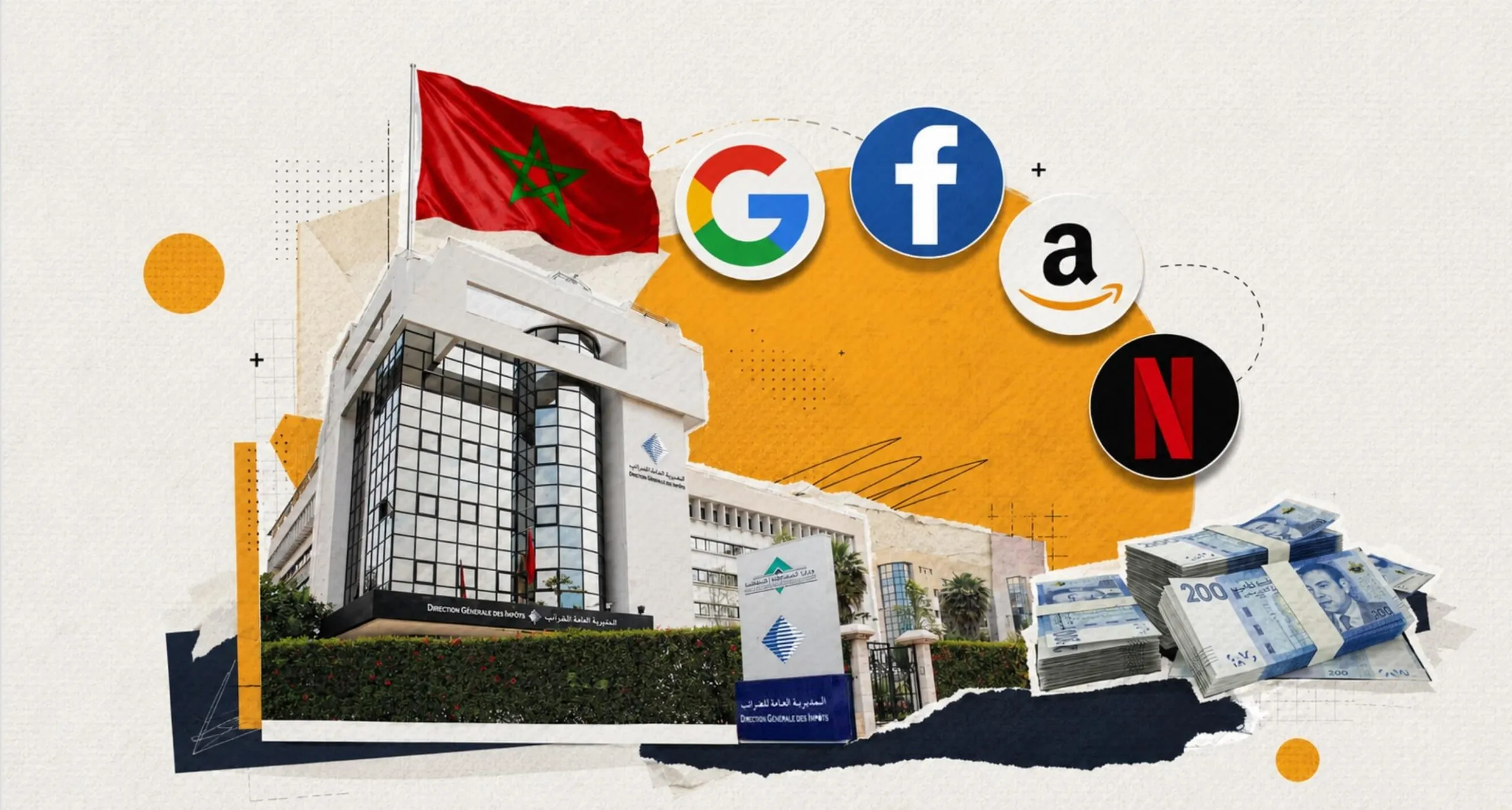
Since June 11, Morocco has initiated the enforcement of a new tax framework that mandates foreign companies not residing within the kingdom, which provide remote digital services to consumers, to register with the tax authorities and collect value-added tax (VAT) on their transactions within the Moroccan market. This initiative is not aimed solely at American firms but encompasses all foreign digital service providers lacking a physical presence in Morocco. However, due to the dominance of major American corporations such as Google, Meta, Microsoft, Netflix, and Amazon in this sector, they emerge as the most significant entities impacted by this regulation.
Scope and Implementation of the New Tax System
The newly established tax system covers a wide array of services, including streaming and digital content, software and electronic subscriptions, cloud computing and hosting, as well as digital advertising and marketing. Additionally, it extends to certain remote training, consulting, and support services, primarily targeting transactions directed at consumers in Morocco who are not already subject to VAT. To facilitate compliance, the General Directorate of Taxes has launched an online platform as part of its electronic service system, allowing the relevant companies to register, obtain a tax identification number, report their revenue generated in Morocco, and remit the applicable taxes.
This move is in accordance with Decree No. 2.25.862, which was published in the official gazette in December 2025 and became effective six months later. The new regulations require foreign companies to submit an electronic declaration every three months, prior to the end of the first month of the subsequent quarter, while maintaining a detailed record of operations conducted within Morocco. The record must include customer identity, the nature of the service, amounts paid, tax value, payment date, and method, with a retention period of at least ten years. Notably, there is no minimum revenue threshold stipulated, indicating that registration becomes mandatory as soon as a taxable service is offered to a Moroccan consumer.
To ascertain whether a beneficiary is located in Morocco, companies may rely on indicators such as a Moroccan billing address, a credit card or payment method linked to the kingdom, the Internet Protocol (IP) address, and the international dialing code “+212.” The tax, which is generally subject to the standard rate of 20%, is expected to influence the pricing of certain subscriptions and digital services. Companies may opt to add this tax to the final consumer invoice or absorb part of it to maintain their competitive edge.
Through this initiative, Morocco aims to broaden its tax base and reduce disparities between local companies and foreign platforms that generate revenue from the Moroccan market without any physical presence in the country.
As reported by assahifa.com.