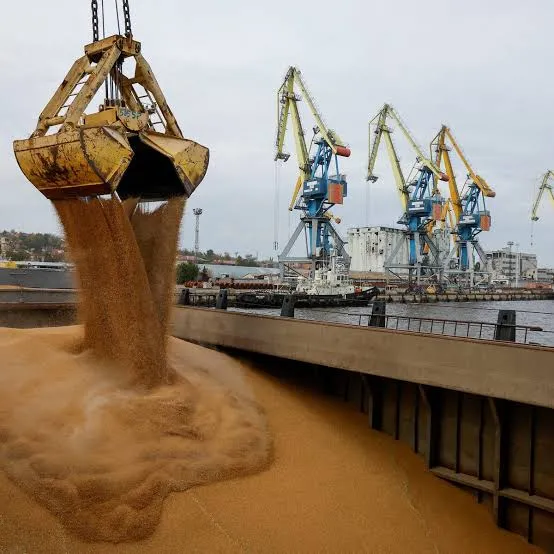

Morocco's Remarkable Increase in Wheat Imports
In September 2026, Morocco significantly raised its imports of Russian wheat to 58,000 tons, marking a remarkable 60% increase compared to the same month the previous year. This surge in demand is particularly noteworthy, especially against the backdrop of a substantial decline in Russia's overall grain exports during the same period. Preliminary data from the Russian Grain Union (RZS), which serves as the principal professional organization representing the interests of local producers, indicates that while the market for Russian wheat has contracted overall, Morocco has managed to absorb a larger share of these exports.
This increase in Moroccan wheat imports now accounts for approximately 4.3% of the total 1.36 million tons of wheat shipped by Russia in September. However, this figure is significantly down from the 5.4 million tons recorded a year earlier, as the number of countries receiving Russian wheat has dwindled from thirty-seven to just twelve. Morocco stands out as one of the few markets experiencing growth in Russian wheat imports, while shipments to other countries such as Egypt have plummeted to 216,600 tons, Saudi Arabia to 131,000 tons, and Libya to 97,700 tons. Notably, Turkey, which imported 843,700 tons in September 2025, saw its imports drop drastically to only 36,700 tons this year.
Shifts in Russian Export Routes
The uptick in Morocco's wheat purchases also reflects a transformation in Russian export routes. In the first ten days of September alone, 30,000 tons of wheat were loaded for Morocco, a stark contrast to the absence of any shipments to the kingdom during the same timeframe in 2025. Over the course of the month, some of the cargoes destined for Morocco were routed through Vyssotsk on the Baltic Sea, where grain volumes have surged by 9.5 times year-on-year. Baltic ports are increasingly playing a crucial role in Russian wheat exports, particularly as constraints affecting the Azov-Black Sea basin have diminished the capacity of traditionally dominant shipping routes.
Despite the monthly increase in wheat purchases, it is essential to note that this trend does not necessarily predict Morocco's overall wheat needs for the upcoming season. The Russian Grain Union estimates that Morocco could potentially decrease its total wheat imports by about 3 million tons this season, attributed to an expected improvement in domestic harvest, projected to reach 7.5 million tons, a significant rise from the 3.5 million tons harvested in the previous season. Consequently, the observed recovery of Russian deliveries in September occurs in a Moroccan market that may contract in volume, intensifying competition among suppliers for the remaining purchases that need to be secured.
As reported by barlamane.com.