
Morocco's Active Role in Combating Cybercrime
Morocco has emerged as a key player in the fight against cybercrime, participating in Operation Ramz, which is recognized as the largest coordinated effort by Interpol to tackle cybercrime in the MENA region. This extensive operation, which took place from October 2025 until February 28, 2026, resulted in 201 arrests, the identification of 382 suspects, and the documentation of 3,867 victims, as stated in a recent report by the International Criminal Police Organization.
The primary aim of Operation Ramz was to investigate and dismantle malicious infrastructures while identifying and apprehending those responsible for cybercriminal activities. The operation specifically targeted major threats such as phishing attacks, malware dissemination, and online fraud. A total of 53 servers were seized during this operation, with nearly 8,000 critical data points and intelligence shared among participating countries to facilitate and support national investigations.
Significant Outcomes and Ongoing Investigations
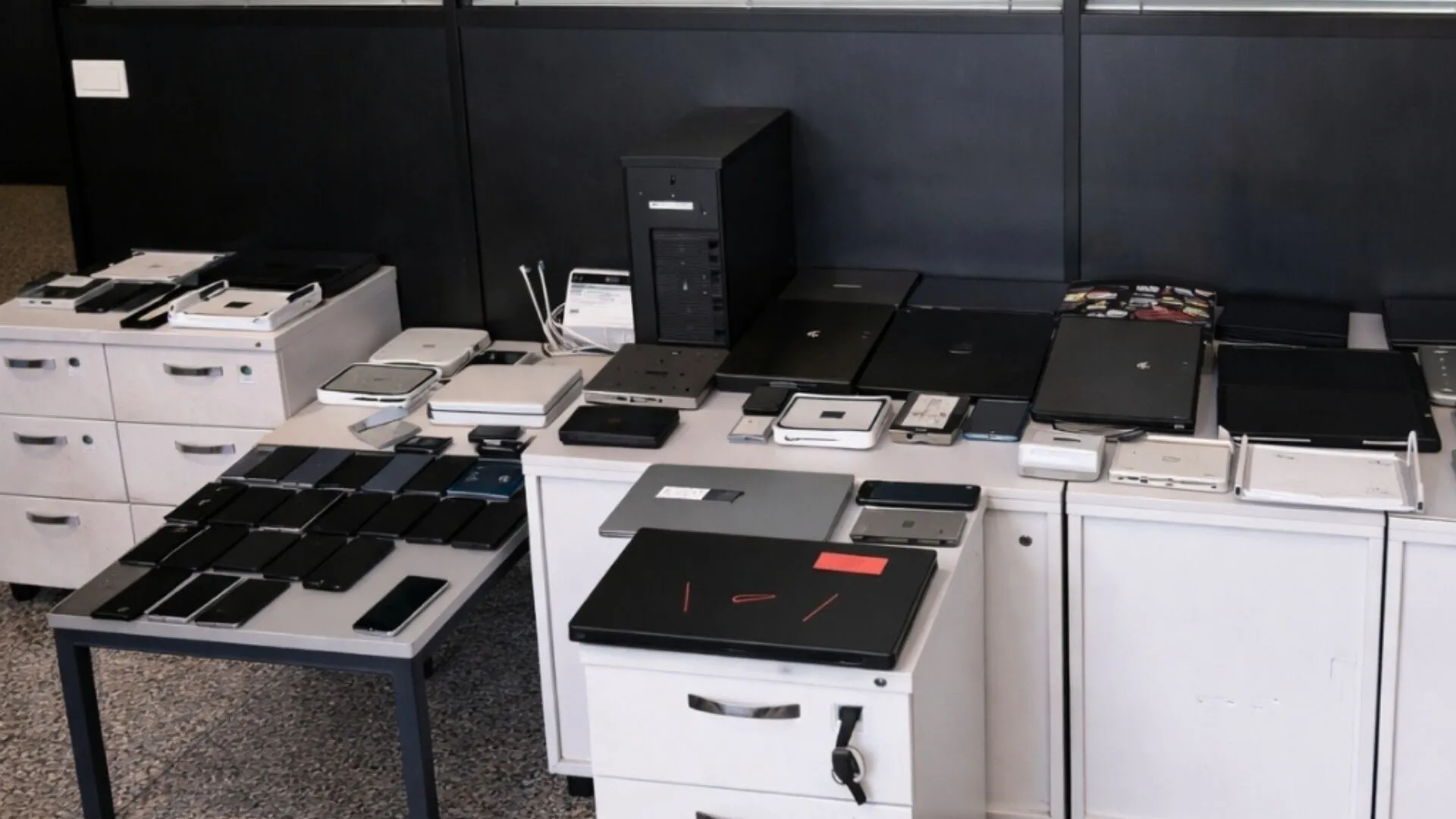
In Morocco, law enforcement agencies successfully confiscated computers, smartphones, and external hard drives that contained sensitive banking information and software used for phishing activities. Legal proceedings have commenced against three individuals connected to these cyber crimes, while investigations continue into other suspects. The operation also revealed significant developments in neighboring countries. For instance, in Algeria, authorities dismantled a phishing service and seized various electronic devices linked to this illegal activity, leading to the detention of one suspect.
In Jordan, a police raid uncovered 15 individuals who were victims of human trafficking, having been lured with false job promises from their home countries in Asia. Their passports had been confiscated, and they were coerced into participating in fraudulent schemes. This led to the arrest of two suspects believed to be behind the operation. In Qatar, compromised devices were identified, revealing that their owners were unwitting victims of cyberattacks that utilized their equipment for malicious purposes. Authorities secured these systems promptly. Additionally, in Oman, a server installed in a private residence, which exhibited critical vulnerabilities including malware infection, was disabled by local authorities.
Reflecting on the operation's impact, Neal Jetton, the Director of Cybercrime at Interpol, emphasized the significance of international cooperation in addressing cybercrime, stating, "In a world where cybercriminals exploit the digital space without borders, Operation Ramz demonstrates the effectiveness of international collaboration." He reaffirmed Interpol's commitment to working with member countries and private sector partners to dismantle malicious infrastructures, neutralize criminal groups, and bring perpetrators to justice.
As reported by fr.le360.ma.