
Morocco's Strategic Recruitment of Dual Nationals
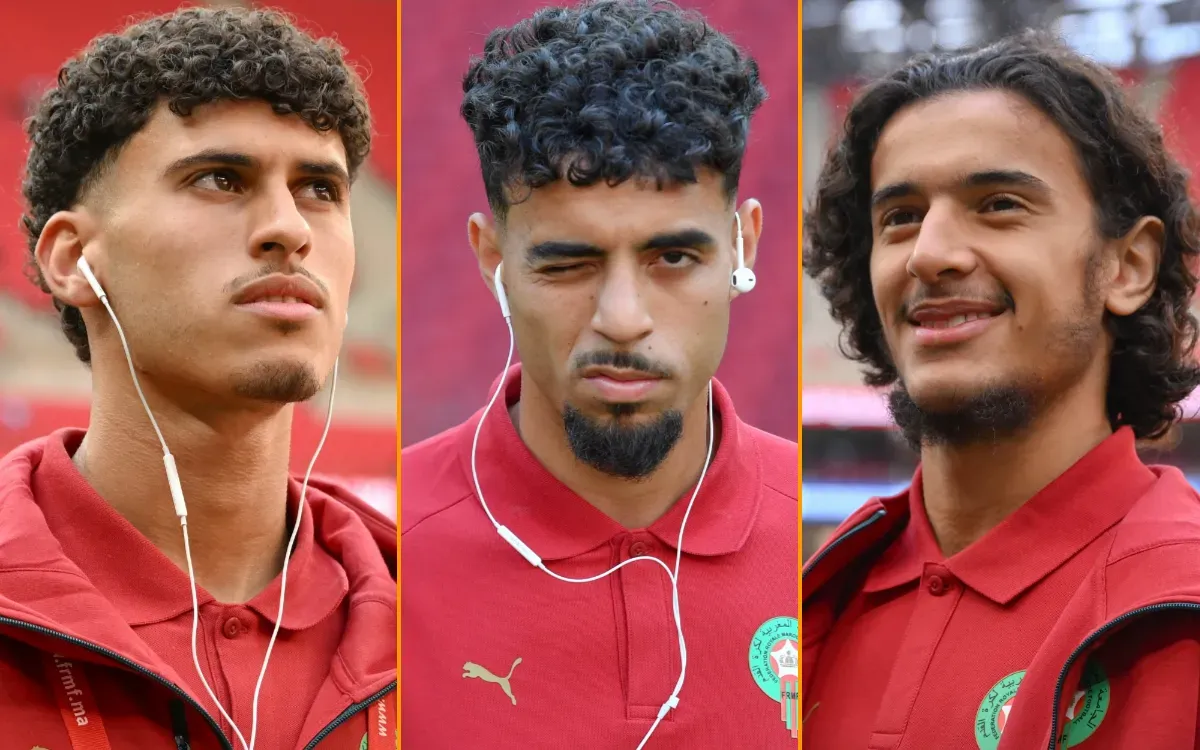
As Morocco continues to bolster its national football team, it has increasingly relied on dual nationals, adopting a strategy that has drawn both admiration and ire from their countries of origin. This approach, which is heavily influenced by emotional connections, as exemplified by Hakim Ziyech, has successfully attracted numerous talents, albeit at the cost of inciting anger within European football federations.
Approximately a decade ago, Hakim Ziyech articulated his commitment to Morocco through a deeply personal lens, firmly rejecting the Netherlands, his birthplace. He emphasized that such a decision transcends mere logic, reflecting a profound sense of belonging that often goes unrecognized by external observers. Today, this sentiment resonates with a significant majority of Moroccan players, including Achraf Hakimi, who turned his back on Spain after unsuccessful trials, showcasing a marked shift from earlier years when high-profile athletes like Marouane Fellaini and Adil Rami consistently opted for European representation.
Long-Term Vision and Methodical Approach
The Moroccan football federation has recognized the need to ensure this trend continues by implementing a long-term vision focused on nurturing talent rather than relying on financial incentives. Recruiters are actively scouring the continent to engage young prospects early in their development, a strategy that has gained traction due to the professional quality of training facilities, which facilitates family acceptance of this path. Ryan Mmaee, a prominent attacker, confirms that the professionalism of Moroccan infrastructures greatly eases the transition for families considering this choice.
However, this methodical recruitment from training centers has not gone unnoticed, particularly angering host nations. In the Netherlands, former international Rafael van der Vaart has openly criticized the Moroccan selection, claiming that only second-tier players are opting to join the Moroccan national team. Meanwhile, the Belgian technical leadership has expressed concern over the abrupt loss of energy and considerable resources they invested in developing these athletes, highlighting the stakes involved.
Despite facing occasional setbacks, such as Lamine Yamal's decision to represent Spain, Morocco's sports policy has yielded significant successes. The integration of promising recruits has been bolstered by an impressive track record, including a commendable fourth place finish in the 2022 World Cup and a recent title in the Under-20 World Cup, suggesting that the strategic decisions made by Moroccan football leaders are indeed proving fruitful.
As reported by bladi.net.