
Burden of Responsibility on Morocco
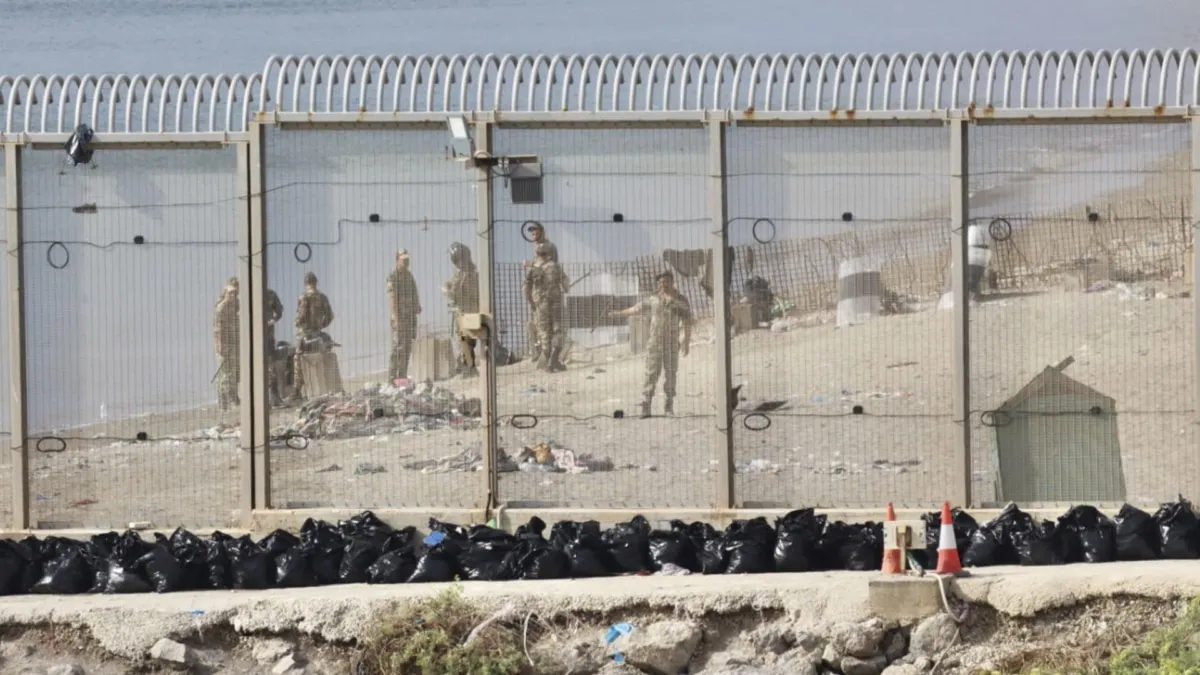
In a recent statement, Spanish Prime Minister Sánchez referred to Morocco as a friendly nation, one that collaborates without malice. However, skepticism prevails among many who find this assertion difficult to accept. The reality is that Morocco, particularly under King Mohammed VI, has exhibited behavior that can be described as exploitative, leaving Spain, especially the autonomous city of Ceuta, in a precarious economic situation. The aftermath of the recent invasion of Ceuta has left a significant economic mark, with reports indicating that average income loss exceeds 50%. The decline in consumption has pushed hundreds of businesses to the brink of bankruptcy, with Ceuta suffering a staggering loss of over 30 million euros in direct economic activity within just one month. The tourism sector, which should have been thriving during the peak season, is barely holding on, primarily sustained by the presence of security forces and journalists. Without these temporary visitors, the occupancy rates would have plummeted by more than 90%.
Moreover, the financial burden of managing the accommodation and administration for those who entered the territory illegally continues to escalate. The Spanish government has initiated an emergency plan amounting to 309 million euros to cover only the last four months of 2026, representing a staggering 16% of Ceuta's GDP. This plan includes a loan guarantee program of 50 million euros, with a substantial portion of these funds—118 million euros—allocated for humanitarian aid. This includes 53.4 million euros designated for basic accommodation and care for adults, and 63.6 million euros aimed at unaccompanied minors. Additionally, 90 million euros are earmarked for bolstering security forces, while 80 million euros will support local businesses and self-employed individuals through direct aid and tax measures. When factoring in previous increases in humanitarian aid, the total assistance has surged from a little over 6 million to 44.5 million euros within a month. The final cost, which encompasses administrative, healthcare, and security expenditures, is still being assessed but is already expected to run into hundreds of millions of euros.
Calls for Accountability
Faced with this overwhelming financial strain, it is imperative to question whether it would be so difficult to urge Morocco to take responsibility for the repercussions of its actions. The damage inflicted, whether through incompetence or ill-intent, has been considerable. While immediate repatriation of those who crossed the border may not be feasible, at the very least, Morocco should cover some or all of the associated costs. Given the substantial financial leverage Morocco holds, primarily through annual receipts exceeding 1.1 billion euros from the EU (including funds for border security), over 200 million euros from Spanish Official Development Aid, and favorable loans, it is clear that Spain has significant tools at its disposal.
One of Morocco's economic pillars is the remittances it receives, which surpassed 6.9 billion euros in the first seven months of 2026, reflecting an 8.1% increase from the previous year, and are expected to approach 7 billion euros for the entire year. Remittances account for approximately 7% of Morocco's GDP and 70% of its foreign currency earnings. Notably, Spain ranks as the second-largest source of these remittances, trailing only France, contributing nearly 13% of the total. In 2025 alone, remittances from Spain to Morocco reached nearly 1.6 billion euros, which is over 1% of Morocco's GDP and has tripled over the past decade.
Could Spain consider imposing a 'humanitarian tax' on these remittances specifically to fund relief efforts for the crisis in Ceuta? A modest tax on the approximately 1.6 billion euros sent annually would generate significant resources to help cover accommodation, security, and assistance for those newcomers entering Ceuta uninvited. This would essentially be a reciprocal measure: those who create or allow a crisis should share in its costs. Morocco's real power is considerably fragile; it would struggle to withstand a serious confrontation with Spain or the EU, as its economy is vulnerable to cuts in aid, credit, and, crucially, the flow of remittances.
Spain cannot continue to shoulder the financial burdens while Morocco benefits from remittances and aid. The costs of the Ceuta crisis must not fall solely on Spain while Morocco continues to collect as if nothing has transpired. It is time for Morocco to stop exploiting Spain's generosity.
As reported by okdiario.com.