
Transforming Energy Landscape: The Nigeria-Morocco Gas Pipeline Initiative
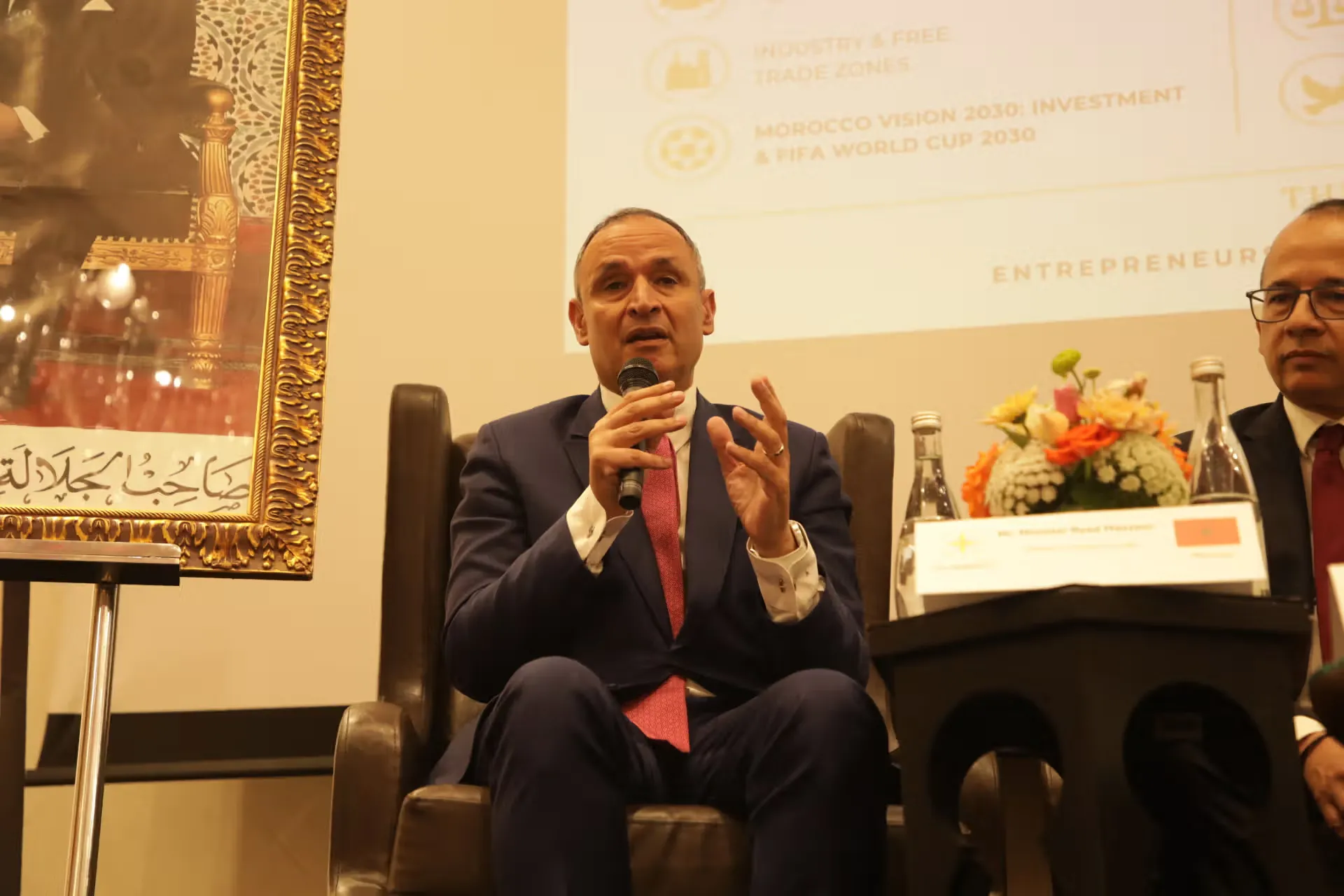
Ryad Mezzour, Morocco's Minister of Trade, recently emphasized the pivotal role of the Nigeria-Morocco Gas Pipeline (NMGP) in fostering economic development across both Europe and Africa. Speaking at the inaugural Eli Morocco Forum held in Tangier during the 14th International Equestrian Festival MATA, Mezzour articulated how this ambitious project is more than just a conduit for gas; it represents a significant step towards African integration that demands collective sacrifice and visionary leadership from participating nations.
The NMGP is intricately linked to Morocco's broader infrastructure initiatives under the African free trade agreement, underscoring the government's commitment to enhancing regional cooperation. Mezzour pointed out that as the demand for gas surges, it becomes imperative for governments to collaborate closely with investors to create mutual value. He highlighted the disproportionate ratio of gas producers to consumers, emphasizing that producers require substantial investment to maximize their gas export revenues. This collaboration aims to meet the escalating energy needs of consumer nations, thereby ensuring sustainable development.
According to Mezzour, the NMGP is designed to provide essential capital exposure while facilitating market access and energy availability for consumer countries. This, he asserts, will not only electrify households but will also invigorate industries. Furthermore, he expressed confidence that the pipeline will enhance food security and facilitate the development of fertilizers derived from gas and phosphate across various regions. "This is a comprehensive project that transcends mere gas transportation between Nigeria and Europe," he stated, highlighting its broader implications for economic growth and development.
Looking ahead, engagements between Nigeria and Morocco are set to intensify in order to propel the pipeline project forward. Amina Benkhadra, head of Morocco’s National Office of Hydrocarbons and Mines (ONHYM), announced that an intergovernmental agreement (IGA) regarding the estimated $25 billion pipeline is anticipated to be finalized this year. Following this agreement, a dedicated authority for the pipeline will be established in Nigeria, with ONHYM and the Nigerian National Petroleum Company (NNPC) collaborating to form a joint venture aimed at overseeing the execution, financing, and construction of the project.
The NMGP, also referred to as the African Atlantic Gas Pipeline (AAGP), spans an impressive 6,900 kilometers (km) through a hybrid offshore-onshore route, boasting a maximum capacity of 30 billion cubic meters (bcm), which includes 15 bcm specifically allocated to Morocco and facilitating exports to Europe. This initiative has garnered support from the Economic Community of West African States (ECOWAS), and preliminary feasibility studies and front-end engineering design (FEED) phases have already been completed, paving the way for future developments.
Initial gas flow from the project is projected to begin by 2031, following the signing of memoranda of understanding (MoU) by the NNPC, Morocco, Senegal, and Mauritania in October 2022. Additionally, discussions are progressing concerning the proposed $20 billion Trans-Sahara Gas Pipeline (TSGP), which aims to transport natural gas to European markets through Niger and Algeria. This pipeline is envisioned to extend 4,128 km and deliver up to 30 billion cubic meters of natural gas annually from Nigeria, further solidifying the region's commitment to enhancing energy security and economic cooperation.
As reported by thecable.ng.