Significance of the Morocco-Nigeria Gas Pipeline
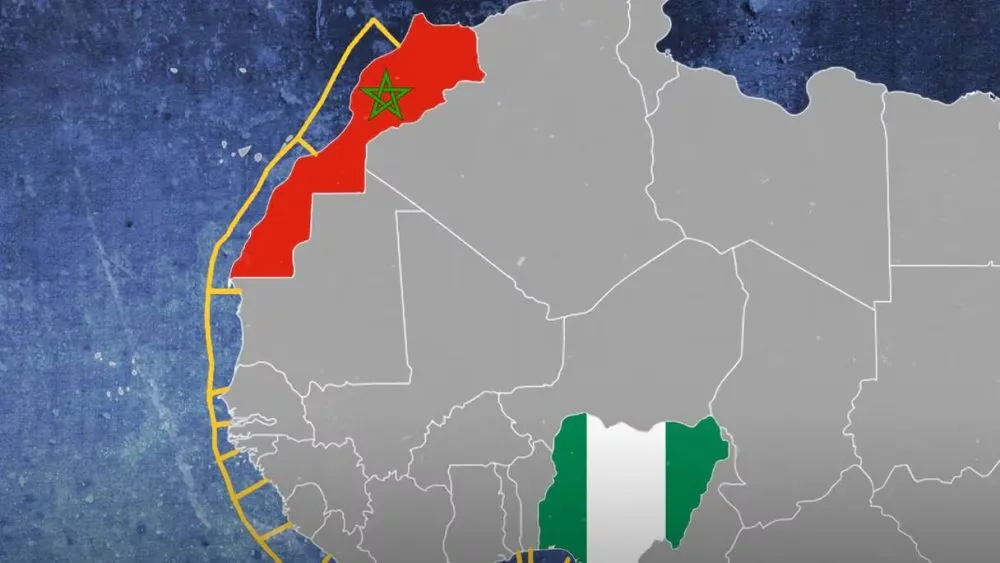
The Morocco-Nigeria gas pipeline is rapidly becoming a focal point of energy discussions, especially as global geopolitical tensions disrupt existing energy markets and the demand for electricity in West Africa continues to rise. This ambitious project, formally known as the African Atlantic Gas Pipeline, is designed to transport natural gas from Nigeria’s extensive gas fields through Morocco and into Europe, thereby enhancing energy security for multiple nations. According to Amina Benkhadra, the director of Morocco’s National Office of Hydrocarbons and Mining (ONHYM), the project is entering an important new phase, with the next step being the signing of an intergovernmental agreement among the 13 participating countries.
Once this agreement is finalized, a high-level authority will be established to facilitate political and regulatory coordination among the involved nations. Moreover, a project company will be created in Morocco, functioning as a joint venture between ONHYM and Nigeria’s National Petroleum Company, aimed at financing and executing the project. The agreement for this pipeline was initially reached in 2016 between Morocco’s King Mohammed VI and former Nigerian President Muhammadu Buhari, with the goal of assisting West African countries in enhancing their energy sovereignty and addressing long-term developmental needs.
Phased Development and Economic Impact
Benkhadra stated that the project will be developed in several phases, with initial segments linking Morocco to natural gas fields located in Mauritania and Senegal, in addition to connections with Ghana and Côte d’Ivoire. The first supply of gas from this initial phase is anticipated to commence in 2031. Each segment of the pipeline is designed to function as a “standalone system,” enabling early value generation from the project. The scale and strategic geographic positioning of the pipeline have attracted significant interest from financial partners and development banks, further underscoring its potential impact on regional energy markets.
In addition to energy developments, Moroccan authorities have initiated the process of ratifying the Constitutive Act of the African Union, as reported by media24. This ratification, which has received approval from both Chambers of the Moroccan parliament, is crucial for the country’s re-entry into the African Union at the upcoming summit in Addis Ababa. Furthermore, the city's mayor of Al Hoceima, Mohamed Boudra, has been nominated as Africa’s candidate for the presidency of the United Cities Local Governments (UCGL) for the term 2019-2022, further elevating Morocco's role on the continental stage. The World Bank predicts that Morocco's economy will grow by 3.1% in 2023, driven by a recovery in the primary sector, despite challenges posed by a severe drought and rising commodity prices.
In a significant diplomatic move, Mali has recently decided to withdraw its recognition of the self-declared separatist entity SADR and has pledged support for autonomy under Moroccan sovereignty in the Sahara, highlighting the regional, historical, and geopolitical implications of this decision.
As reported by northafricapost.com.