
Morocco's Legislative Elections: A Defining Moment for Political Parties
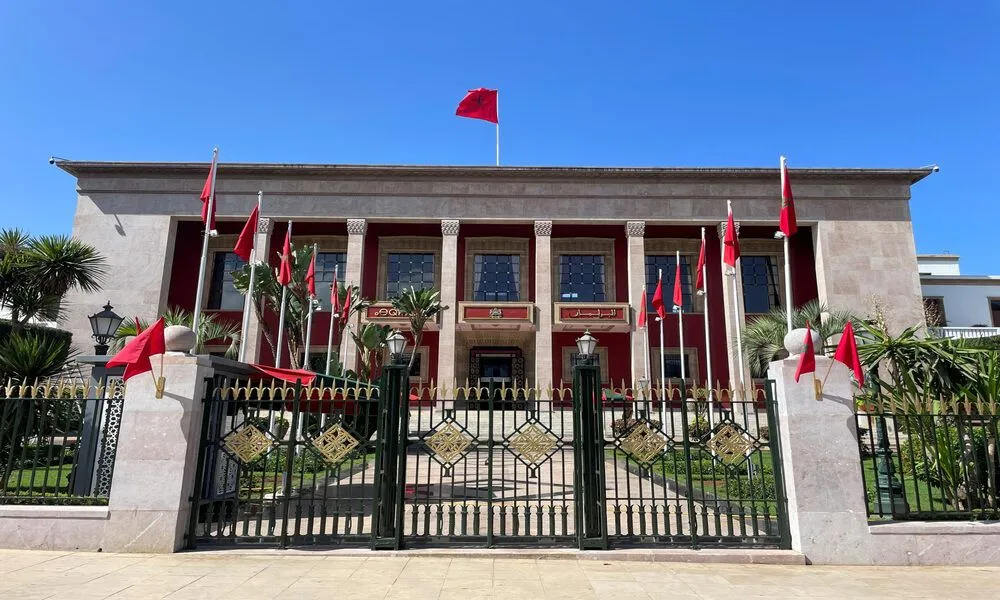
Morocco is poised to embark on a significant electoral journey with its legislative elections set for Wednesday, September 23, 2026. The stakes are high as approximately 16 million voters prepare to cast their ballots, a decision that will have far-reaching implications for the nation's political landscape. This electoral event is not merely a routine procedure; it represents a critical juncture for the political parties involved, particularly the three that comprised the outgoing coalition led by Aziz Akhannouch: the National Rally of Independents (RNI), the Authenticity and Modernity Party (PAM), and the Istiqlal Party (PI). The outcome of this election will reshape the composition of the 395-member House of Representatives, the lower house of parliament, and will determine the next parliamentary majority responsible for supporting the forthcoming government.
The significance of these elections extends beyond mere numbers; they will set the course for Morocco's institutional framework for the next five years. The current governing coalition's future hangs in the balance, with competing parties actively courting young voters by promoting promises of employment opportunities and affordable housing. As stipulated by constitutional law, the party that secures the most votes will be entrusted with the responsibility of forming the government, following which the king will appoint a head of government from the ranks of the winning party as outlined in Article 47 of the constitution. Subsequently, the new government must win a vote of confidence from the House of Representatives after presenting its strategic agenda for the next five years.
Voter Participation and Political Dynamics
An extensive number of candidates are vying for the House of Representatives, with 1,850 candidate lists submitted nationwide, totaling 7,288 individuals—averaging more than 18 candidates per seat, according to the interior ministry's data. A total of 28 political groups are taking part in this electoral process, including a newly formed coalition dedicated to these elections, and two independent lists have emerged in specific local electoral districts. The competition is fierce, especially in local electoral districts, where 1,615 lists with 5,505 candidates have been presented, marking an increase from the 2021 legislative elections. Notably, 235 lists featuring 1,783 women candidates have been submitted in the 12 regional electoral districts reserved solely for female representation, emphasizing a strong push for gender diversity in parliament.
Among the 395 parliamentary seats, 305 are allocated through local electoral districts while 90 are designated for regional electoral districts, a strategic move aimed at bolstering women's representation and enhancing diversity within the legislative chamber. Prior to the elections, a special revision of the electoral rolls was conducted from May 15 to June 13, allowing new voters to register and enabling those who had changed addresses to update their information, thereby ensuring a more robust electoral process. Voting will be conducted under the principle of secrecy, followed by a meticulous counting of votes in accordance with established legal procedures.
The electoral campaign commenced on September 10, providing political leaders and candidates with a platform to engage with citizens across various regions, articulating their positions on pressing public issues such as purchasing power, employment, healthcare reform, education, social protection, water management, and economic competitiveness. The PAM, part of the outgoing majority, has unveiled an ambitious electoral agenda consisting of 20 commitments structured around five pivotal pillars, with an estimated total cost of 350 billion dirhams. The party outlined that the funding for this program would stem from inclusive growth, the recovery of unpaid taxes, and regional contributions, supplemented by additional financial sources. Meanwhile, the RNI emphasizes enhancing purchasing power and income improvement, while the Istiqlal Party presents a comprehensive plan featuring 99 distinct measures.
Furthermore, a special commission has accredited 3,006 observers to monitor the electoral process, representing various national and international bodies, including the National Human Rights Council (CNDH). This oversight aims to ensure transparency and integrity throughout the electoral stages as Morocco prepares for this defining moment in its democratic journey.
As reported by apanews.net.