
Addressing the Threats of Information Warfare
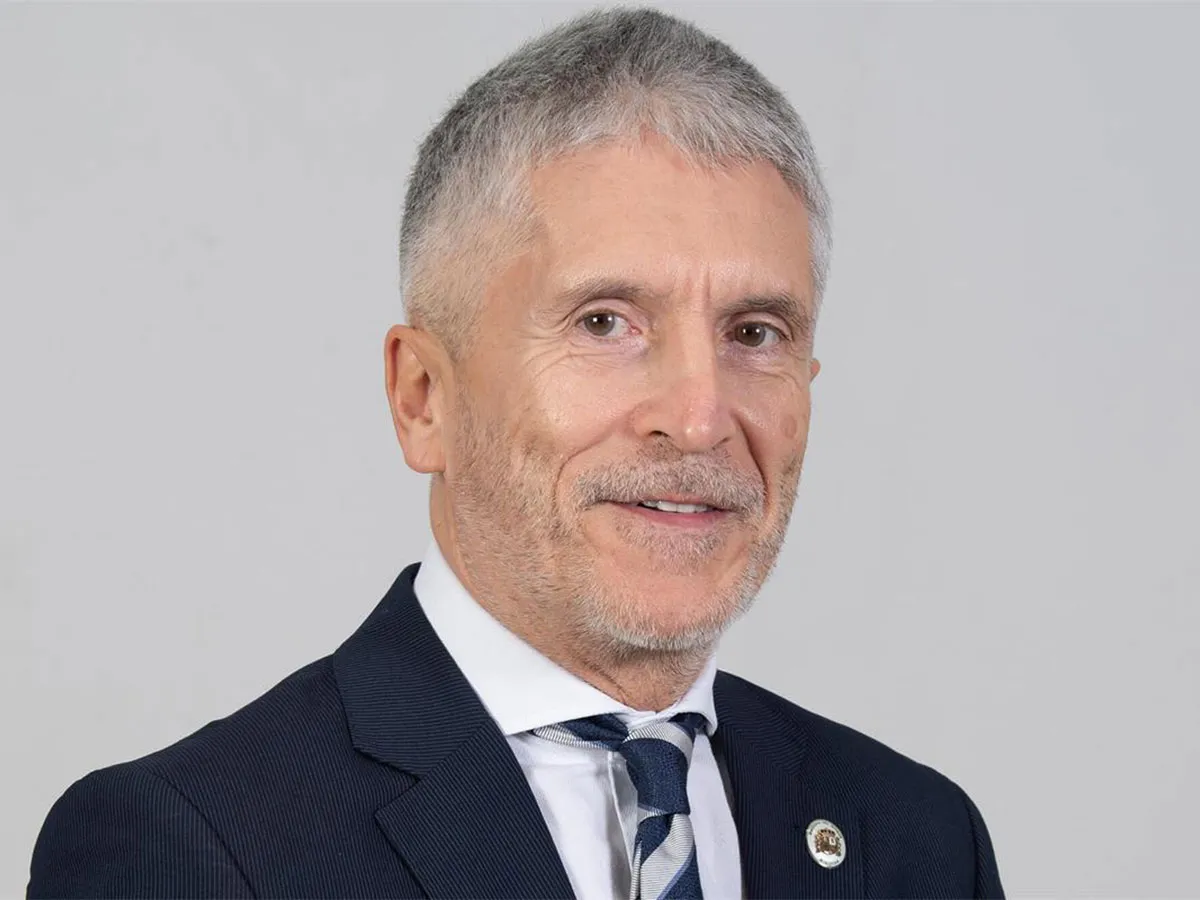
In a recent discourse at the Global Media Forum held from July 13 to 15 in Choucha, Azerbaijan, Latifa Akharbach, the President of the High Authority of Audiovisual Communication (HACA) of Morocco, articulated a crucial message about the urgent need to rebuild trust in media outlets. This call to action emphasizes the necessity of safeguarding social cohesion and maintaining peace amidst a rapidly evolving media landscape. Akharbach pointed out that the economic model of major digital platforms, which often prioritizes attention-grabbing content, emotional exploitation, and viral logic, poses significant risks to public discourse. These mechanisms have the potential to turn public spaces into battlegrounds, where the control of information plays a pivotal role in escalating conflicts.
Sports as a New Battlefield
Highlighting a pertinent example from Morocco, Akharbach referenced a recent external media war that targeted the nation during the latest Africa Cup of Nations. She described a so-called "disinformation machine" that employed conspiracy theories, hate speech, and racist content, including the use of deepfake technology, to distort narratives. This campaign was reportedly exacerbated by social media platforms, resulting in a climate of distrust and hostility between Morocco and Senegal, two countries historically bonded by centuries of friendship and solidarity.
In response to these alarming trends, Akharbach has advocated for stronger accountability among all stakeholders in the media landscape. She urges media entities to enhance their self-regulation practices, particularly regarding the integration of artificial intelligence within newsrooms. Furthermore, she underscores the essential role of citizens in this equation, advocating for improved media literacy and education in digital and AI technologies as a fundamental right.
Finally, Akharbach has called for genuine accountability from global digital platforms, criticizing their recommendation systems for contributing to the spread of hateful and polarizing content, often at the expense of users in developing countries. She insists that rehabilitating professional journalism extends beyond mere media discussions; it is an investment in social cohesion, public trust, and civil peace.
As reported by bladi.net.