
Morocco's Distinct Position in Global Terrorism Report
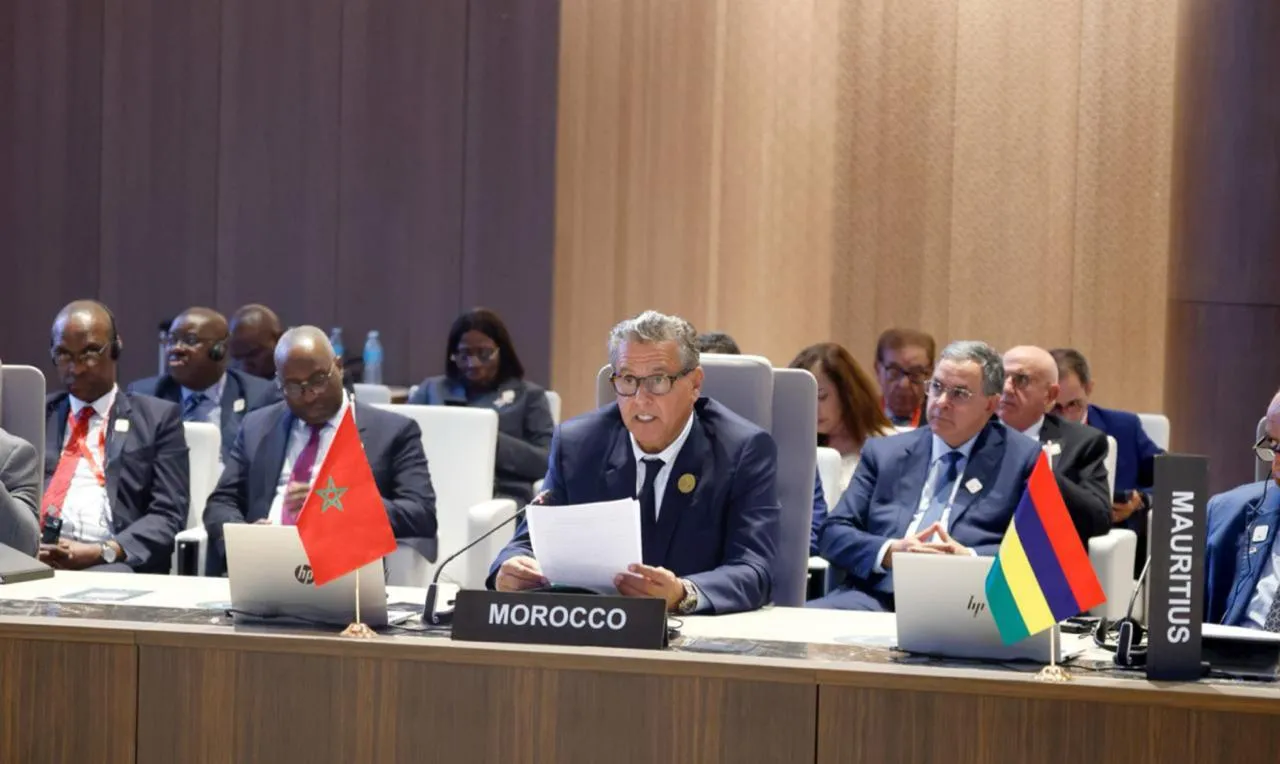
In a recent global security report, Morocco has emerged as a remarkable exception in the context of terrorism, being classified as one of the least affected countries by the 'Global Terrorism Index 2026.' This index highlights Morocco's position within the 'safety circle' at a time when unrest is expanding across various regions, particularly in North Africa, where countries like Egypt and Algeria have topped the list for severity of terrorist threats. The report, released by the Institute for Economics and Peace—an esteemed international reference for tracking and analyzing global terrorism trends—ranked Morocco 100th out of 163 countries, representing approximately 99.7% of the world's population. This ranking grants Morocco a score of zero, categorizing it alongside nations with high security stability such as Singapore, Taiwan, and Estonia.
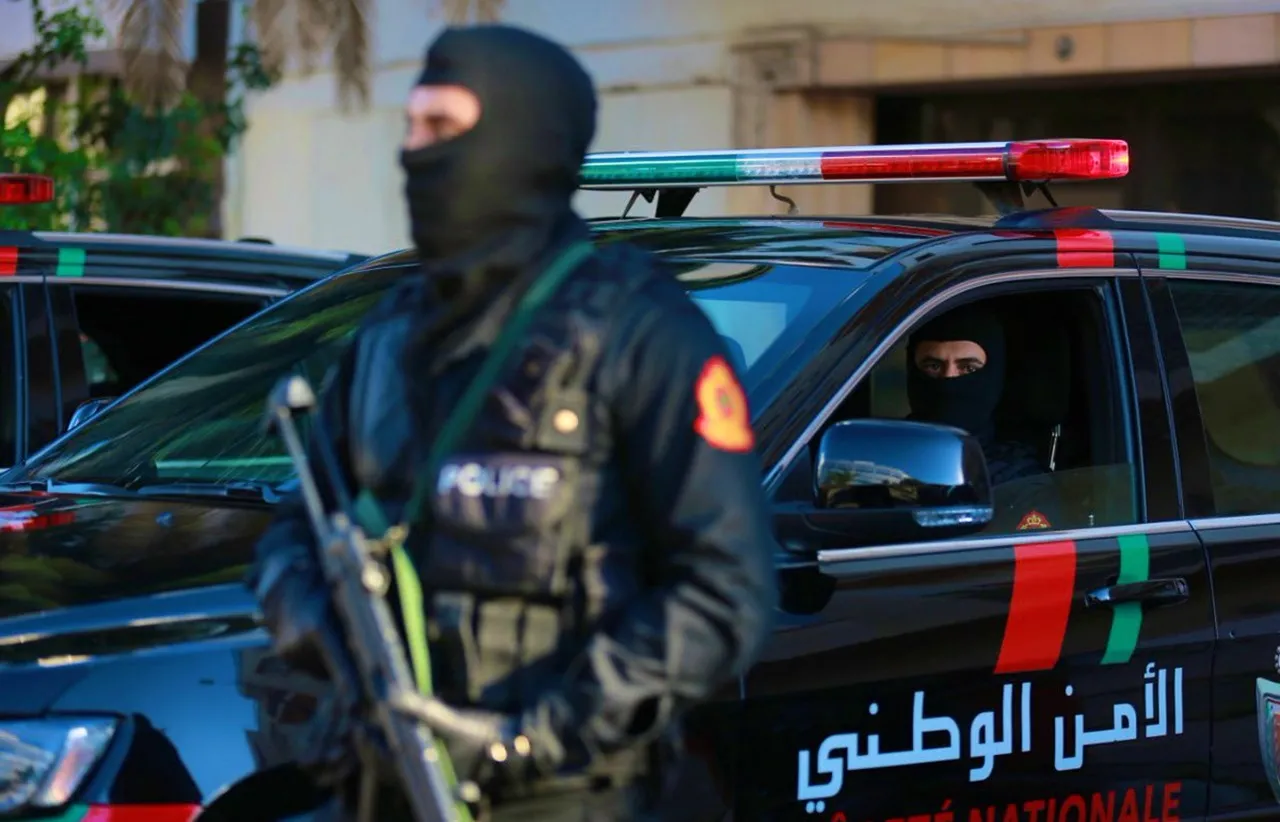
This classification bears significant strategic implications, especially considering Morocco's geographical location, which is surrounded by regional hotspots of tension, including the Sahel and Sahara regions, where armed group activities are on the rise. Additionally, the Mediterranean area is influenced by the repercussions of Middle Eastern crises, irregular migration, and cross-border extremism. The report suggests that Morocco's impressive position is a testament to the effectiveness of its proactive security approach, which blends intelligence operations, early dismantling of extremist cells, and international security cooperation, coupled with socio-religious policies aimed at shielding society from extremist ideologies.
Regional Terrorism Landscape and Global Trends
Conversely, the report unveils a world still grappling with concentrated terrorist threats, with Pakistan leading the list of the most affected nations, scoring 8,574 points. Other countries in the Sahel, such as Burkina Faso, Niger, Nigeria, and Mali, have also become focal points for global terrorism, due to a combination of security fragility, armed conflicts, and weak governmental structures. Furthermore, nations like Syria, Somalia, and the Democratic Republic of the Congo have recorded high levels of threat, where internal conflicts intertwine with the activities of extremist organizations. The report indicates that Egypt is at the forefront of North African countries most impacted by terrorism, followed by Algeria, Tunisia, and Libya, which continues to suffer from the fallout of political fragmentation and security chaos.
Despite the grim portrayal in certain regions, the report notes a relative improvement in global indicators, with a 28% decrease in terrorism-related fatalities in 2025, bringing the total down to 5,582. Additionally, the number of attacks dropped by nearly 22%, settling at 2,944 incidents. This improvement marks one of the most significant reductions in years, with 81 countries experiencing enhanced security conditions, while only 19 countries saw a deterioration—the lowest level of decline recorded since the index's inception. However, this overall improvement masks a qualitative shift in the nature of terrorism, which has become more geographically concentrated. Approximately 70% of terrorism-related deaths occurred in just five countries: Pakistan, Burkina Faso, Nigeria, Niger, and the Democratic Republic of the Congo, indicating a transition from a globally widespread phenomenon to a localized threat in politically and security-weak areas.
Regarding extremist groups, the report affirms that ISIS and its affiliates remain the most dangerous actors in 2025, despite a reduction in its operational scope from 22 to 15 countries. Other groups, such as 'Jama'at Nasr al-Islam wal Muslimin,' 'Tehrik-i-Taliban Pakistan,' and 'Al-Shabaab,' collectively accounted for approximately 3,869 deaths, representing 70% of total terrorism-related fatalities. The report also highlights significant geopolitical shifts influencing the terrorism landscape, warning of the consequences of escalating tensions in the Middle East, particularly involving Iran. It suggests that the ongoing conflict may lead to an expansion of terrorist activities across borders, facilitated by decentralized networks of armed groups capable of executing transnational attacks.
In Western nations, the report indicates a worrying shift in the nature of threats, where youth radicalization and lone actor incidents have emerged as significant security challenges, with children and adolescents comprising about 42% of terrorism-related investigations in Europe and North America during 2025. This reflects a change in recruitment patterns and methods of radicalization, particularly through digital platforms. In Africa, especially in the Sahel region, the report emphasizes that terrorism remains tied to deep-rooted structural factors, as this area accounts for over half of global terrorism-related deaths, despite a relative decrease over the past year. The motivations for joining armed groups in Africa differ from those in the West, with 71% of recruits citing human rights violations by government forces as the primary reason for their enlistment, while a quarter pointed to lack of job opportunities and economic pressures as significant factors driving them towards extremism.
Given these data, Morocco's classification as a country unaffected by terrorism holds profound significance, indicative of internal stability and reinforcing the kingdom's status as a reliable partner in international security cooperation, particularly in a region increasingly threatened by chaotic dynamics.
As reported by assahifa.com.