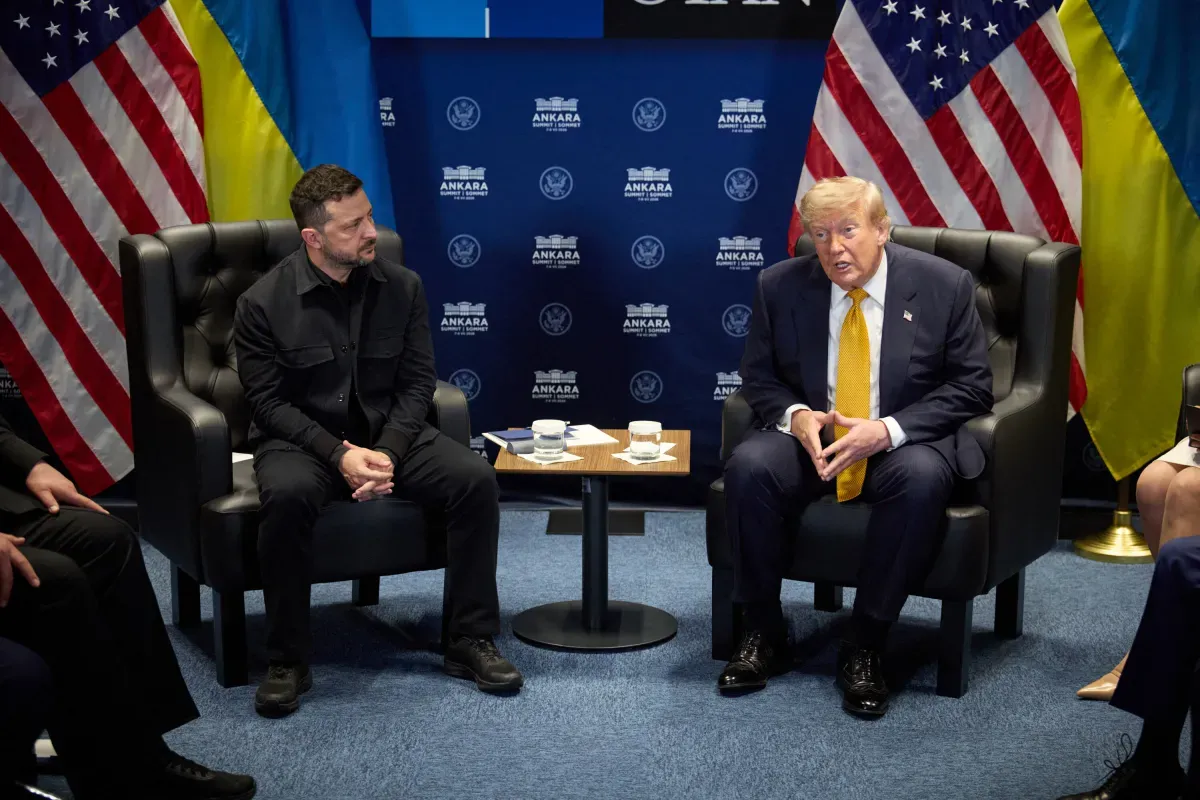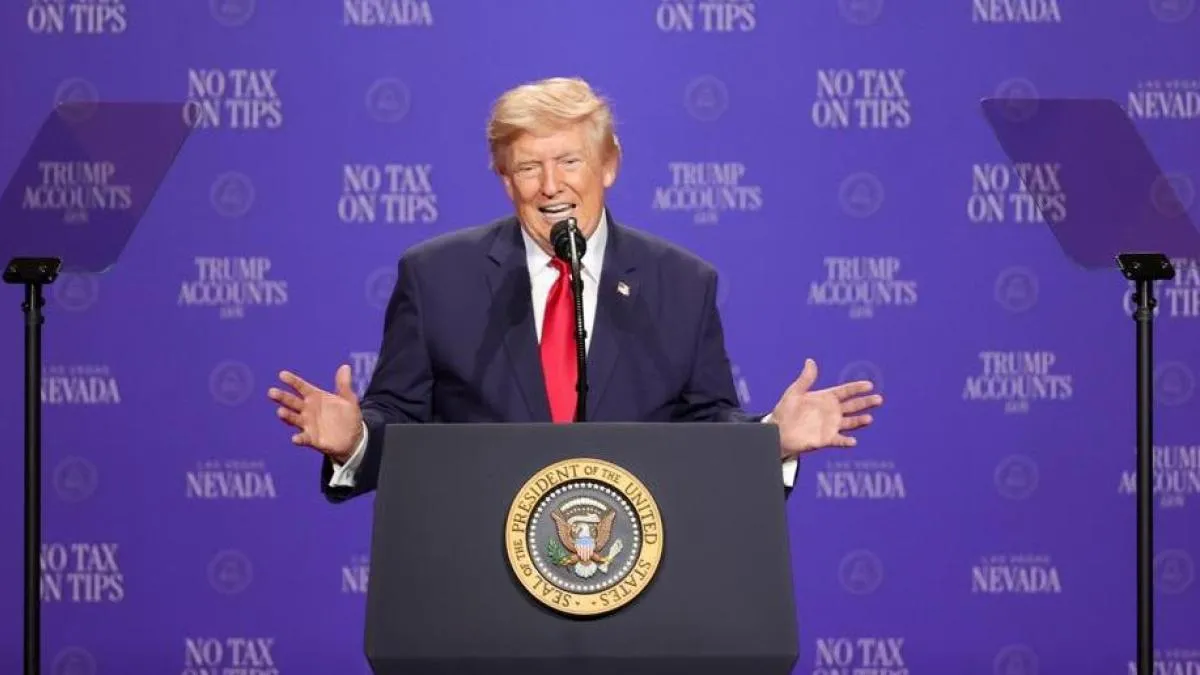

In a notable expression of gratitude, Morocco has decided to rename one of its most significant highways after former U.S. President Donald J. Trump. This vital roadway spans over 1,000 kilometers across Western Sahara, connecting the cities of Tiznit and Dakhla. The announcement was made by King Mohammed VI, who acknowledged Trump's pivotal role in recognizing Moroccan sovereignty over this contested region back in 2020.
The historical ties between Morocco and the United States are profound, dating back to 1777 when Morocco became the first country to officially recognize U.S. independence. Fast forward to today, the bilateral relationship is stronger than ever, with Washington seeking to bolster its influence in Africa, particularly in Morocco, as a counterbalance to China's growing presence on the continent. Rosa Cañadas, president of the Tanja Foundation and an expert in Financial Techniques and Markets, notes that this strategic partnership is being significantly reinforced.
Economic Interests and Trade Relations
Beyond the realm of geopolitics, the economic relationship between the United States and Morocco is underscored by the latter's substantial phosphate industry. Morocco stands as one of the world's leading phosphate producers, exporting these essential fertilizers in large quantities. While U.S. tariffs apply generally, phosphates enjoy an exemption, highlighting their importance in trade. The foundation of this relationship was laid with a free trade agreement established in 2004 under President George W. Bush, which has led to a remarkable increase in the U.S. trade surplus with Morocco. By 2024, this surplus reached an impressive $3.4 billion, up from a mere $35 million in 2005, as reported by the Office of the U.S. Trade Representative.
Phosphates represent a significant portion of Morocco's export value, complemented by automotive products. On the import side, the U.S. primarily sources fuels, aerospace materials, and defense equipment from Morocco. In the context of trade dynamics, the United States ranked as the seventh-largest export market for Morocco, accounting for 3.2% of total exports, while it stood fourth in terms of imports, representing 9% of the total. Notably, Spain remains Morocco's leading trading partner.
The Future of U.S. Investment in Morocco
While trade between Washington and Rabat thrives, direct U.S. investment in Morocco harbors significant potential for growth. According to official data from the Foreign Exchange Office for 2023, France leads in investment, making up 28% of total foreign capital, followed by the United Arab Emirates (19%), Spain (9%), the United Kingdom (6%), and Italy (5%). The remnants of historical ties still see France wield considerable influence, as negotiations are underway for a bilateral agreement between Paris and Rabat aimed at substantial investments and promoting the use of the French language, which has seen a decline in favor of English.
Despite the increasing American interest, France and Spain continue to hold a much larger investment presence in Morocco. France remains the top foreign investor, maintaining a 28% share of foreign capital as of the end of 2023, while Spain occupies the third position with 9%. Recent French data indicates that direct investment stock was €8.991 billion in 2024, whereas Spain's investment, although smaller, has established Morocco as its main destination in Africa, with a stock of €2 billion in 2024.
As reported by lavanguardia.com.