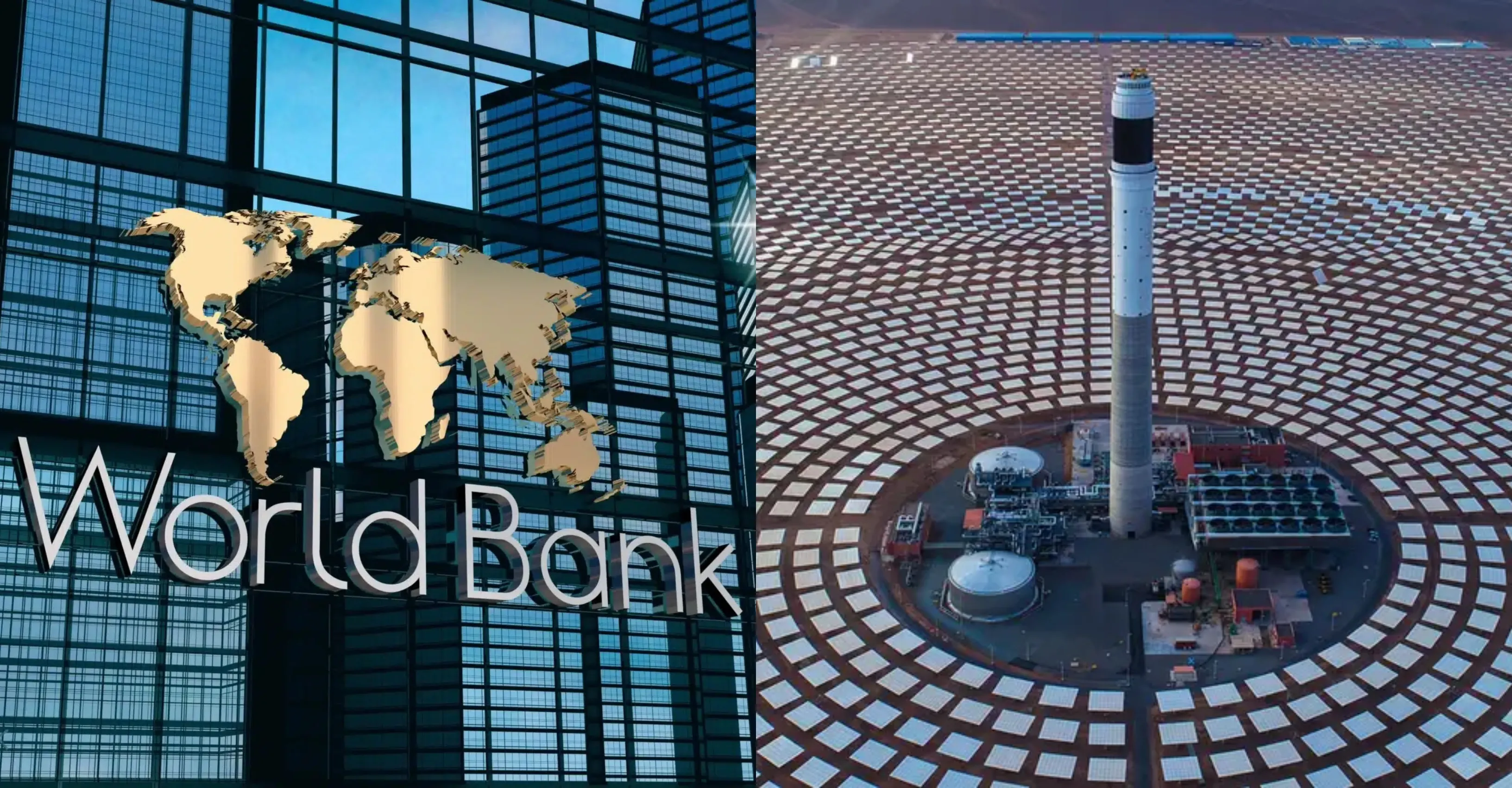

Morocco is intensifying its efforts to address the longstanding challenges of job creation and investment, having successfully secured a substantial $500 million loan from the World Bank Group. This reform-backed financing is strategically aimed at tackling pressing issues such as unemployment, sluggish private sector growth, and stalled investments in clean energy. The financial support marks the first phase of a planned three-part series, coinciding with increasing pressure on Morocco to generate employment opportunities for its burgeoning youth population, all while reinforcing its position as a vital industrial and export hub connecting Africa and Europe.
Despite experiencing consistent economic growth in recent years, Morocco continues to grapple with persistently high unemployment rates, particularly among young individuals. Furthermore, female participation in the labor market remains significantly below global averages. These structural deficiencies have hindered the country's capacity to convert its economic growth into widespread prosperity, even as it successfully attracts manufacturing investments in key sectors, including automotive and aerospace.
The newly launched program seeks to directly address these vulnerabilities. It aims to enhance labor market support to assist over 330,000 job seekers by 2029 and implement reforms that better align educational and training initiatives with the needs of the private sector—an issue that employers have long identified as a critical constraint to growth. A vital aspect of this initiative focuses on increasing female participation in the workforce, including plans to improve access to formal childcare services. Authorities anticipate that these measures will unlock tens of thousands of new childcare spaces, thereby creating jobs and alleviating a significant barrier that currently prevents many women from engaging in paid employment.
Additionally, the loan aims to resolve enduring challenges faced by small and medium-sized enterprises (SMEs), which play a crucial role in Morocco's economy. These enterprises often struggle with limited access to financing and face complex regulatory environments. Planned reforms include revising insolvency laws to assist viable firms in recovery, enhancing credit guarantees, and streamlining investment processes through regional centers. The timing of these reforms is particularly pertinent, as Morocco seeks to establish itself as a leader in renewable energy within Africa, boasting several major solar and wind projects already in operation. However, private investment has not matched the country's ambitious goals, partly due to existing regulatory barriers and market limitations.
The World Bank-backed reforms are intended to dismantle these obstacles, broaden energy efficiency services, and reduce the sector's vulnerability to external shocks, a concern that has been underscored by recent fluctuations in global energy prices. Furthermore, the program supports Morocco’s initiative to expand pharmaceutical exports, as nations around the world increasingly aim to diversify their supply chains in light of disruptions experienced during and after the COVID-19 pandemic. Rabat is keen on significantly enhancing its presence in the international drug manufacturing arena, capitalizing on the growing demand across Africa and beyond.
Ahmadou Moustapha Ndiaye, the World Bank’s division director for the Maghreb and Malta, stated, “These reforms address one of the most persistent barriers to job creation in Morocco: the slow emergence of high-growth enterprises.” This broader strategy reflects a notable shift among global financial institutions, emphasizing the need to closely link funding to job creation, climate transition, and private sector development, particularly in emerging markets that are facing tighter financial conditions and limited access to external capital. For Morocco, the effective implementation of this program will hinge on the swift translation of reforms into tangible investments and job creation, as the government endeavors to alleviate social pressures while continuing to attract international investors who are increasingly seeking stable, nearshore production bases close to Europe.
As reported by africa.businessinsider.com.