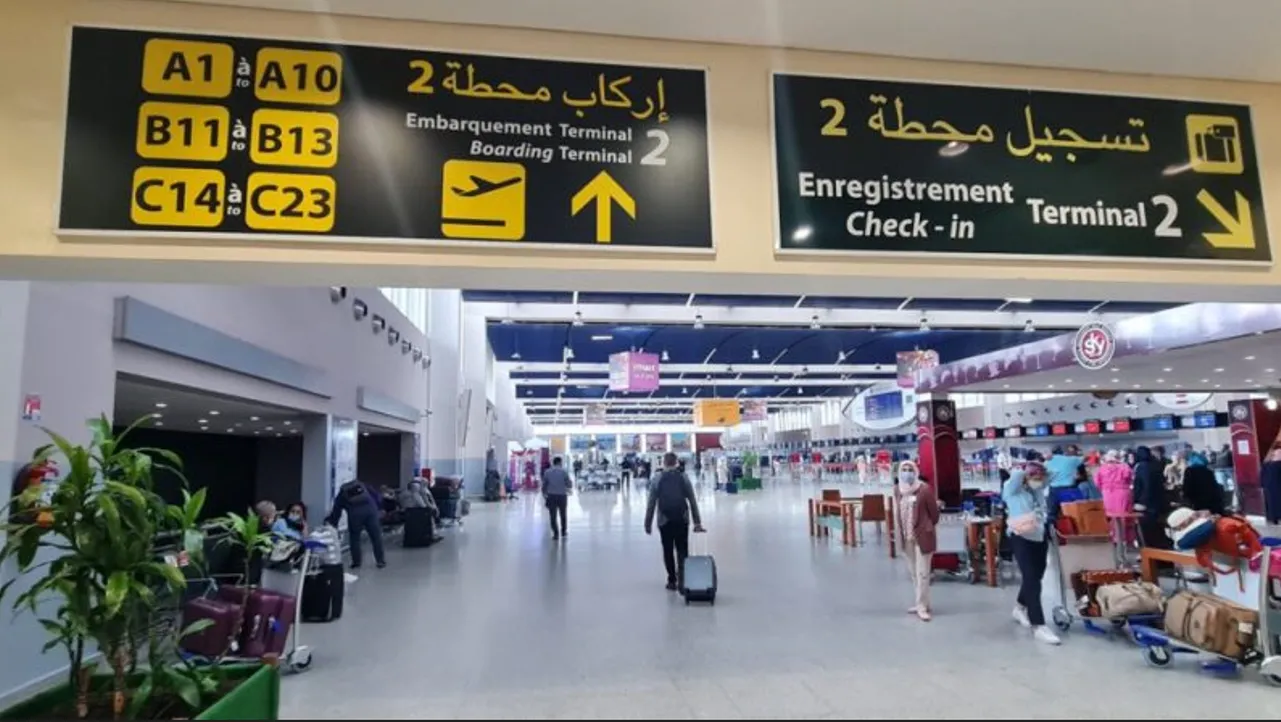

Morocco has officially entered into a significant funding agreement worth €270 million with the African Development Bank (AfDB), aimed at enhancing and modernizing airport infrastructure across the country. This initiative is particularly focused on improving the operational capacity of four major airports, positioning them to accommodate anticipated growth in passenger and cargo traffic in the upcoming years.
The agreement was signed on Tuesday in Casablanca during a ceremony led by Sidi Ould Tah, President of the African Development Bank Group, and Nadia Fettah, the Minister of Economy and Finance. The event was attended by various officials from both institutions and other stakeholders involved in the project.
The signing was conducted by Ashraf Tarsim, the representative of the AfDB's country office in Morocco, and Adil Fakir, Director General of the National Airports Office. The financial guarantee associated with the project will be provided by the financing institution “Tamwilcom,” represented at the ceremony by its Director General, Said Jebran.
According to a press release issued by the African Development Bank on September 30, 2026, the loan is designated to support the modernization and expansion of the airports in Marrakech, Agadir, Fes, and Tangier. This program aims to enhance the competitiveness of Morocco's air transport sector and strengthen the country's connections with international markets.
By 2030, the targeted annual passenger capacity is expected to reach 14 million at Marrakech Airport, 5 million at Agadir Airport, 3.6 million at Tangier Airport, and 3 million at Fes Airport, resulting in a total capacity of approximately 25.6 million passengers across these four airports.
The program encompasses the modernization of airport infrastructure and equipment, expansion of air navigation systems, and reinforcement of safety and security measures. This includes the introduction of modern security equipment, automated baggage handling systems, and digital solutions to streamline the passenger experience within airports.
The initiative aims to reduce processing times for travel procedures, enhance the quality of services provided to travelers, and elevate operational safety standards in accordance with international standards established in the air transport sector.
Sidi Ould Tah highlighted that the loan directed to the National Airports Office aligns with Morocco's ambition to modernize its airport infrastructure and expand its capabilities, particularly in Marrakech, Agadir, Fes, and Tangier. He emphasized that the project also contributes to the country's readiness to host major international events.
Additionally, he noted that this endeavor is part of the comprehensive transformation program for aviation in Africa, which the bank has adopted to assist African nations in modernizing and financing their air transport systems, thereby enhancing integration and fostering a safer, more competitive, and sustainable sector while connecting countries across the continent.
On her part, Nadia Fettah affirmed that several large-scale reforms and projects undertaken by Morocco have benefited from the financial support of the African Development Bank, praising the institution's commitment to supporting the Kingdom's initiatives, particularly in the airport sector.
This agreement reflects Morocco's efforts to strengthen its position as a pivotal air hub linking Africa to Europe and other regions of the world, while also aligning with the goals set forth in the Kingdom's tourism vision leading up to 2030.
According to the bank, the modernization of the targeted airports will help meet the expected growth in passenger and cargo traffic, improve air connectivity, and respond to mobility needs, while also supporting activities related to tourism, trade, and logistics services.
During the implementation phase, the program is expected to generate thousands of job opportunities, particularly for youth and women, while also enhancing operational safety within airports.
In the medium term, the anticipated increase in capacity and improvement in air connectivity quality is expected to benefit tourism, trade, and logistics activities, alongside mobilizing additional public and private investments related to air transport and its supporting services.
As reported by ar.industries.ma.