

Growing Trade Relations Between Morocco and Turkey
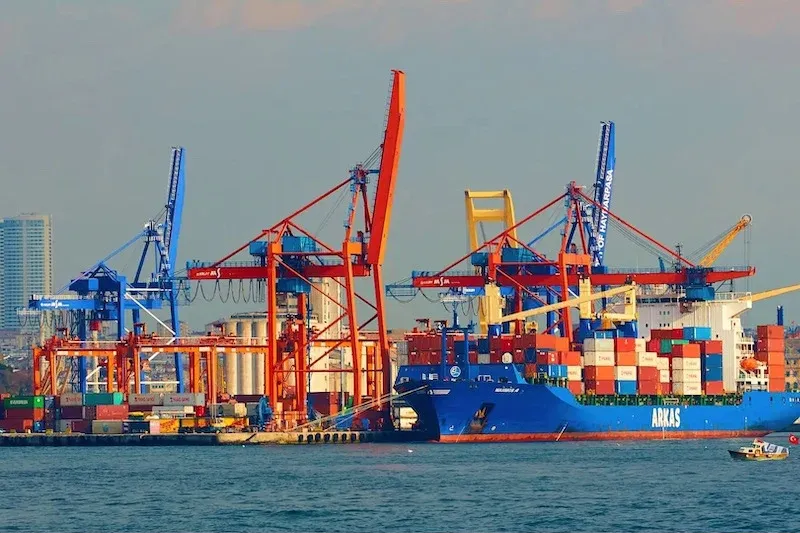
Recent data from Turkey concerning trade with African nations has revealed that Turkish exports to Morocco reached approximately $2.04 billion in the first seven months of this year, marking an annual increase of about 11.7%. This trend underscores Morocco's position as one of the largest markets for Turkish products within Africa. During the same period, Turkey's overall exports to the African continent grew by 12.6% year-on-year, totaling nearly $13.3 billion, with exports in July alone accounting for approximately $2.3 billion, according to information from the Turkish Exporters Assembly (TİM).
Egypt also experienced a significant surge in Turkish imports, with a record growth of over 49% in July, bringing its total imports from Turkey for the first seven months of 2026 to beyond $2.3 billion. Similarly, exports to Nigeria and South Africa rose by 52.1% and 31.3%, respectively. On the other hand, imports from Turkey to Algeria saw a decline of 18.8%, stabilizing around $9 million.
In discussing these figures, Osman Aksu, head of the Turkish-African Business Councils Coordination at the Foreign Economic Relations Board (DEİK), noted that the increase in exports to Africa relies on three main dynamics: the logistics networks enhanced by Turkish Airlines servicing over 60 destinations on the continent, the development of container shipping routes, and Turkish companies' investments in ports, highways, airports, and housing projects. Moreover, trade diplomacy has played a crucial role in boosting market access through official delegations, business forums, and bilateral agreements.
Impact on Moroccan Economy and Trade Agreements
Aksu further explained that the African Continental Free Trade Area (AfCFTA) presents substantial opportunities for Turkish companies. The next phase aims not only to export goods but also to establish common production bases in strategic locations, including the Suez Canal region, through the development of distribution channels and the creation of flexible financing models.
According to the Turkish Exporters Assembly, Turkey's exports to external markets, including Africa, exceeded $25 billion in July, bolstered by the automotive and chemical sectors leading export values. Additionally, the total exports for the first seven months of 2026 reached approximately $161.6 billion, with around 47 Turkish provinces increasing their exports and more than 1,100 companies embarking on exporting for the first time.
Meanwhile, the continuous surge in Turkish exports to Morocco has reignited debates surrounding the trade deficit between the two nations, which tends to favor Turkey. This situation has placed the bilateral free trade agreement under scrutiny and calls for revision. Despite adjustments made to the agreement aimed at protecting Moroccan national industries and narrowing the expanding gap, many Moroccan economic stakeholders continue to advocate for a more effective framework that ensures a genuine balance of interests without harming Morocco's economic fabric.
In a previous statement to the online newspaper Hespress, Anas El Ansari, president of the Moroccan Textile and Clothing Industries Association (AMITH), highlighted that the free trade agreement between Rabat and Ankara poses significant challenges in the textile and clothing sector, urging the government to take necessary measures to safeguard this national industry.
As reported by hespress.com.
