
Morocco Increases Security at Ceuta Border
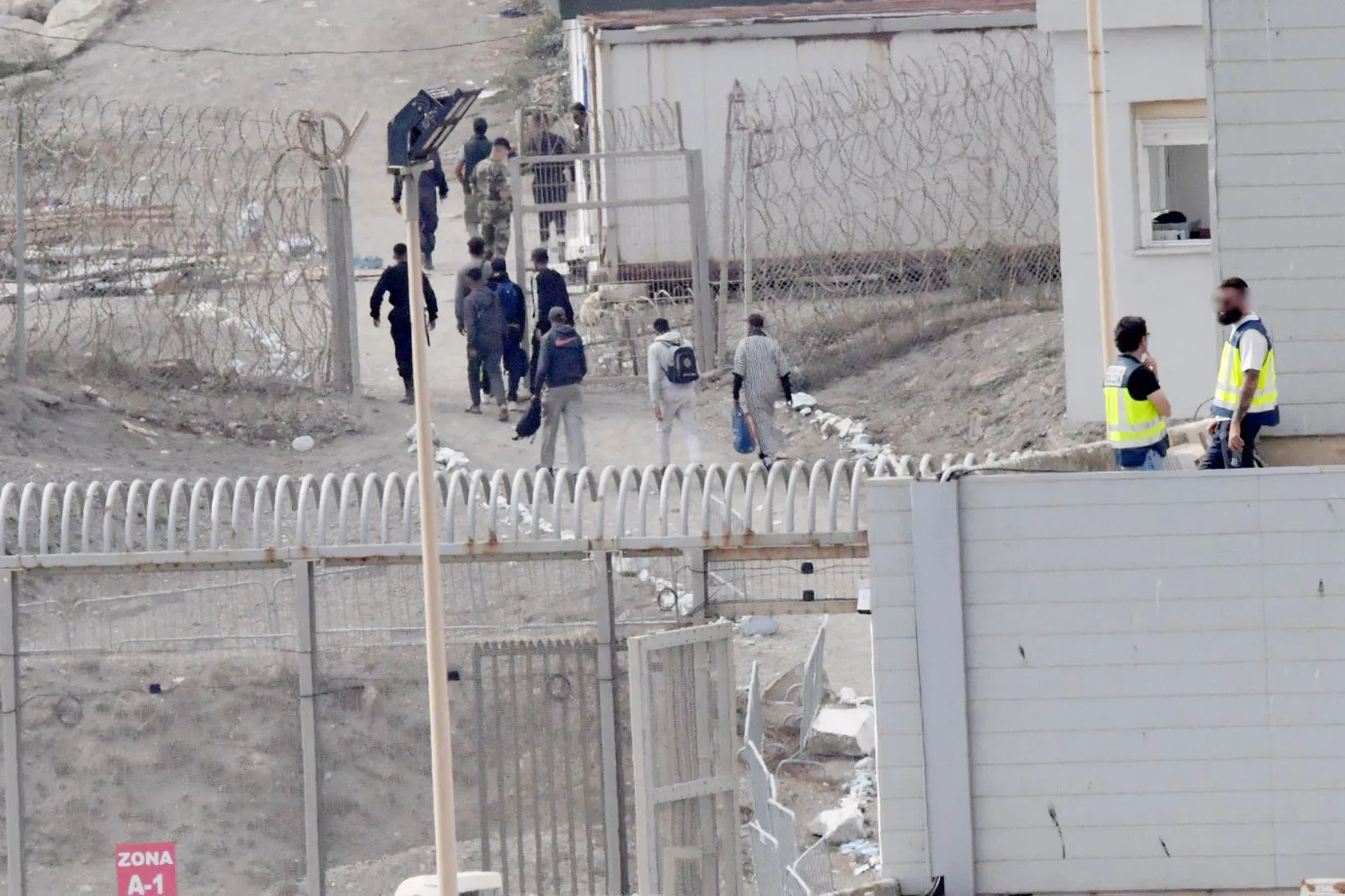
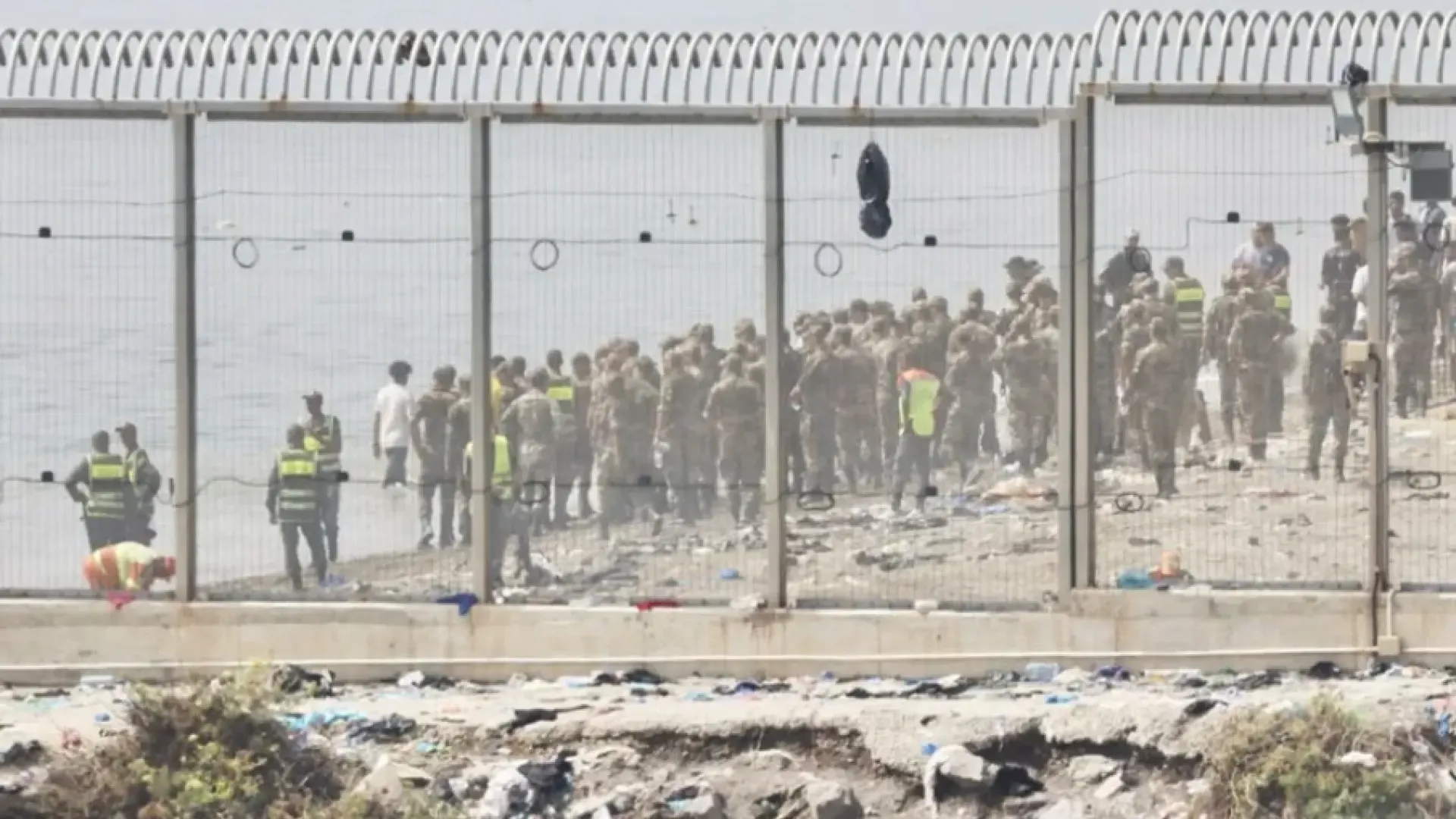
In a decisive move to enhance security at its borders, Morocco has significantly bolstered the presence of security forces along the frontier with Ceuta, particularly at the Fnideq crossing. As of August 14, 2026, the border is heavily fortified following warnings of potential mass migrations similar to those witnessed on July 30, when thousands of individuals attempted to cross into Spanish territory. The Moroccan authorities have established numerous police and gendarmerie checkpoints along the main road connecting Tangier to Fnideq, which spans approximately 80 kilometers. These measures aim to deter migrants from reaching Ceuta, although there are still reports of small groups making their way toward the border.
Despite the stringent security measures, some migrants are resorting to various tactics to evade detection, including using public transport or private vehicles. Reports indicate that young individuals have been seen hurriedly exiting cars to conceal themselves in nearby foliage before reaching police controls. A source familiar with the situation noted that these migrants are often picked up by waiting vehicles after they bypass the police checkpoints.
Current Conditions and Future Implications
Fnideq remains relatively calm, with local businesses operating as usual, although parts of the urban beach closest to Ceuta are closed off to the public, fenced off and monitored by auxiliary forces. Notably, large Moroccan naval vessels can be spotted offshore, indicating a heightened state of alert on the sea front as well. Access to the coastal road linking Castillejos to Ceuta is restricted, with journalists barred from entry, allowing only travelers and workers heading to the autonomous city.
Security measures include the deployment of riot control trucks equipped with water cannons at the border checkpoint, and additional forces are stationed in elevated areas and wooded regions nearby. This extensive security response is in direct correlation to recent calls for mass crossings circulating on social media in the wake of the tragic events of July 30, which resulted in the deaths of at least 141 individuals, according to humanitarian organizations. This incident has strained relations between Madrid and Rabat, highlighting the complex dynamics surrounding migration issues in the region.
As reported by heraldo.es.