

Cyber Defense Alliance between Morocco and the United States
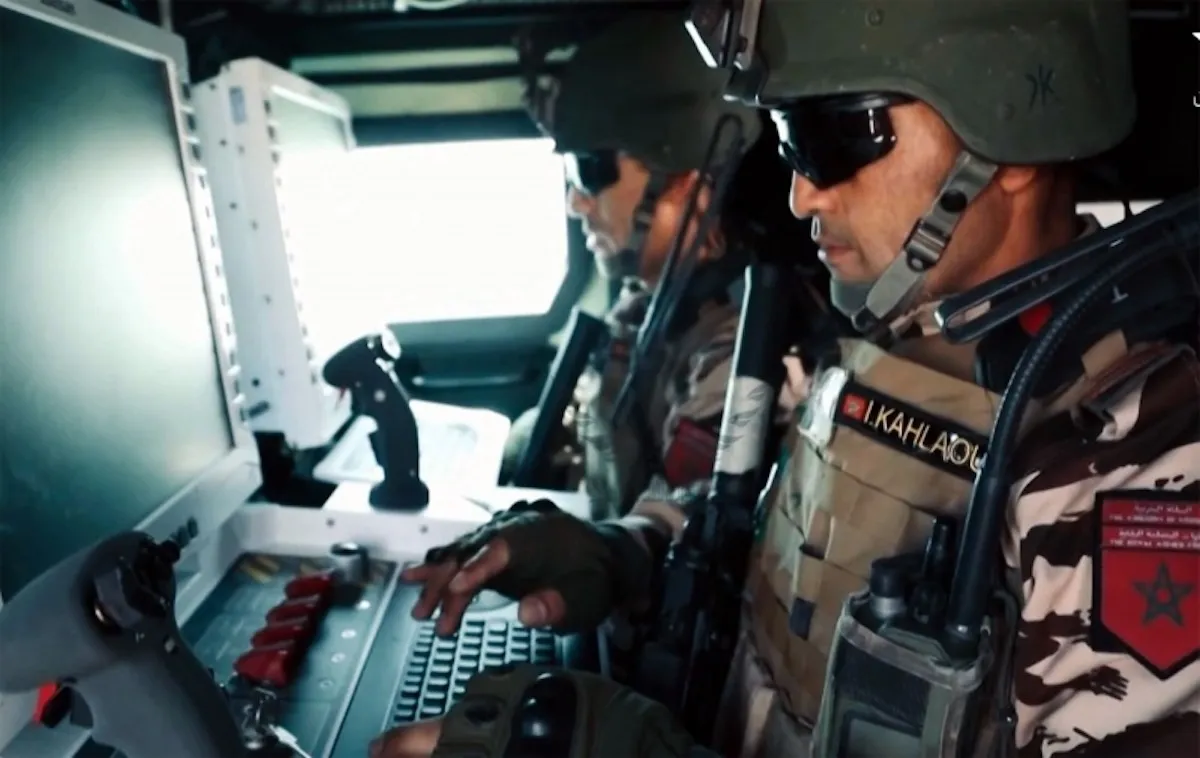
The defensive partnership between Morocco and the United States has entered a new phase by expanding its collaboration into the realm of cybersecurity. This development underscores the increasing significance both nations attribute to defense and security in an increasingly digital and interconnected world. In this context, the Garda Cyber Command Suite (GCCS) emerges as the cornerstone of this innovative strategy. It represents not merely a software in development but an advanced operational platform that integrates cyber intelligence, real-time detection, and command and control within a unified operational environment.
Modernization of the Royal Armed Forces
The adoption of the Garda system signifies a paradigm shift in Morocco's military strategy, moving away from mere arms accumulation to embracing the digitalization and connectivity of military forces. This modernization involves the development of systems that provide a comprehensive and real-time view of the battlefield. This highly technological approach responds to the necessity of adapting national defense to a global landscape where cyber threats can impact security even before physical confrontations arise.
The implementation of Garda reflects a collaboration that transcends traditional arms purchases, encompassing technological transfer and specialized training, demonstrated through the training of Armed Forces members in the United States to manage this platform. This technological collaboration opens avenues for large-scale joint operations utilizing autonomous combat systems, advanced robotics, and artificial intelligence. Events like the joint maneuvers León Africano exemplify this growing integration and mutual commitment to bolstering digital defense.
Moreover, the technology transfer from the United States has been a critical driver for the development of the Garda system and other modern military tools. Morocco has implemented this technology across various domains to manage sensors and distributed command centers, enabling a coordinated and more efficient response. Additionally, the joint roadmap for defense cooperation establishes a long-term framework that ensures the continuity and evolution of this partnership, focusing on innovation and local capabilities to manage complex systems.
One of the priorities in this new phase is the training of Moroccan personnel in the operation and maintenance of advanced systems. This initiative aims to reduce external dependence and foster a specialized technical knowledge base within the country. Simultaneously, there is a push for the nationalization of the defense industry, connecting imported technological advancements with the development of local capabilities. This not only strengthens strategic autonomy but also opens up opportunities for innovation and the creation of specialized employment.
The shift of Morocco's defensive alliance with Washington into cyberspace represents an indispensable change in contemporary combat dynamics, where information and secure data analysis are crucial for making rapid and effective decisions. However, this transition also presents challenges related to the constant evolution of digital threats, the necessity to maintain resilient systems, and the implementation of security protocols that protect the integrity of military information.
Ultimately, the commitment to cybersecurity and technological integration positions Morocco at the forefront of nations seeking to renew their military strategy through the intelligent use of technology, thereby consolidating a framework capable of safeguarding its interests in an increasingly digitalized and complex horizon.
As reported by atalayar.com.

