
Morocco's Strategic Diplomatic Moves at the Arab League
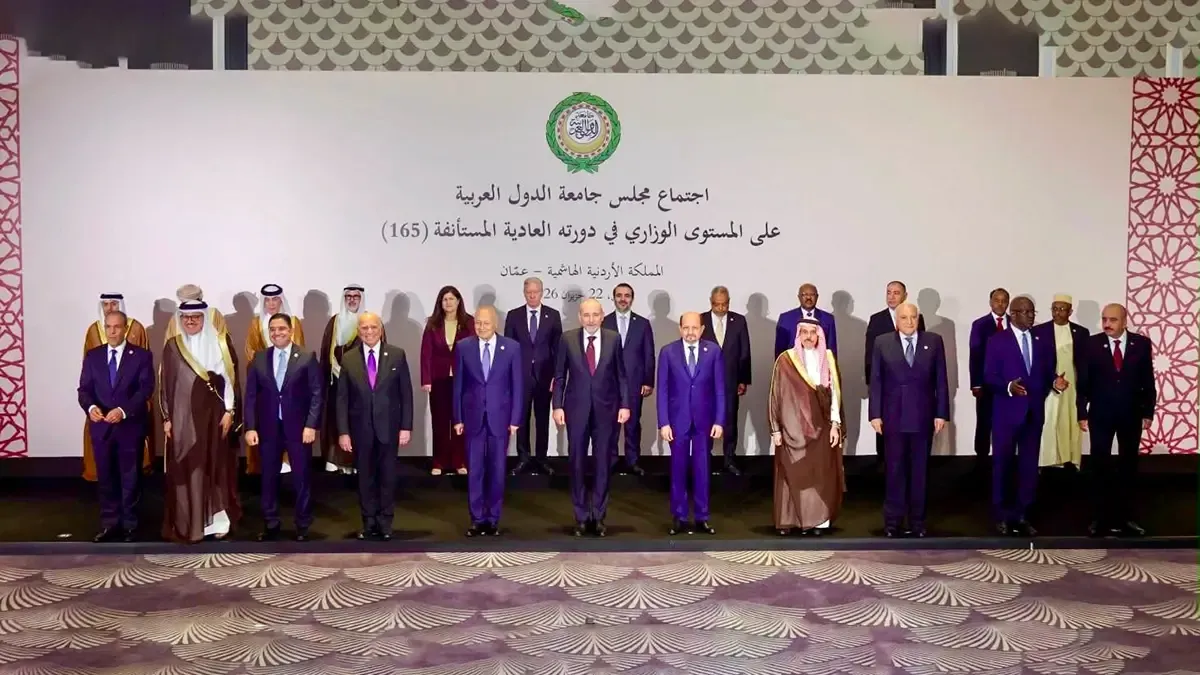
In a significant display of diplomatic maneuvering, Morocco is actively reshaping its influence within the Arab League. The country’s Minister of Foreign Affairs, African Cooperation, and Moroccans Abroad, Nasser Bourita, recently arrived in Amman to lead the Moroccan delegation at the highly anticipated 165th Ordinary Session of the Arab League Council. This session marks a critical juncture, as it comes on the heels of virtual gatherings that commenced on March 29 under Bahrain’s presidency, where traditional face-to-face interactions were absent. Now, the ministers are back in person, eager to reestablish direct dialogue aimed at unifying their positions and addressing the ongoing political and security crises affecting the region.
High-Level Engagements and Strategic Alliances
To ensure a robust presence at this pivotal meeting, Morocco has strategically deployed its top diplomats to bolster its negotiating power. Bourita is accompanied by key figures including Mohamed Aït Ouali, Morocco's Ambassador to Egypt, who plays a vital role at the Arab League; Fouad Akhrif, the Ambassador to Jordan; Khalid Bencheikh, Director of Maghreb, Arab, and Islamic Affairs at the Moroccan Ministry of Foreign Affairs; and Hicham Ould Essalay, Deputy Permanent Representative to the organization. This carefully orchestrated diplomatic team underscores Morocco's intention to assert its influence and shape the outcomes of crucial resolutions.
Beyond the multilateral discussions, Bourita's visit also facilitates essential bilateral engagements, particularly with Sudanese Foreign Minister Mohieddine Salem during a challenging period for Sudan. Following this, Bourita met with Egyptian Foreign Minister Badr Abdelatty, where both parties reaffirmed their historical ties and commitment to coordinating closely on pressing regional issues, thereby fortifying their alliance.
Amid these high-stakes discussions, the agenda in Amman is laden with significant challenges, including addressing the implications of recent regional events and exploring avenues for cooperation to navigate current geopolitical dilemmas. A key item on the agenda is the anticipated confirmation of Nabil Fahmy, an experienced former Egyptian Foreign Minister, as the new Secretary-General of the Arab League, a position that will be critical for steering the organization’s future direction.
As reported by atalayar.com.