
The Significance of Morocco's Commitment to the International Stabilization Force
In a landscape where military support for the International Stabilization Force (ISF) is often more theoretical than actual, Morocco's recent deployment marks a pivotal moment. While five nations had previously promised thousands of troops for this multinational initiative, only Morocco has acted decisively, sending military representatives to the ISF headquarters at Kiryat Gat, located a mere 30 kilometers from the Gaza Strip. This development comes after months of inaction from other countries, whose commitments have remained largely unfulfilled since the outbreak of conflict with Iran earlier this year. The Moroccan government, led by Foreign Minister Nasser Bourita, has not only reaffirmed its commitment but has also emphasized transitioning from promises made on paper to tangible actions on the ground.
The arrival of Moroccan forces has been framed as a critical reinforcement for the international community's efforts to stabilize Gaza, particularly as it navigates its transition away from Hamas governance. The ISF, established under a United Nations Security Council resolution, is tasked with a broad mandate that includes demilitarization efforts and the training of a new police force in Gaza. However, the mission has faced significant challenges, primarily due to vague guidelines and a lack of concrete participation from partner nations. Morocco's involvement injects a level of credibility and religious legitimacy that other nations have hesitated to provide, establishing a more robust Arab military presence within this crucial mission.
Morocco's Unique Position and Ongoing Challenges
What sets Morocco apart in this context is not merely its willingness to send troops; rather, it is the strategic depth of its contribution. Moroccan officers are being integrated directly into the ISF's joint command structure, with plans for Moroccan police units and medical support to follow suit. Furthermore, Rabat has proposed leading a deradicalization initiative, leveraging its extensive experience in countering extremism, which could play a significant role in reorienting the narratives that have kept the Gazan populace under Hamas's influence for years.
In stark contrast, other nations that pledged support have faltered. Indonesia, which promised up to 8,000 troops, has stalled its deployment amidst increasing regional tensions. Kazakhstan's medical units have yet to materialize, while Kosovo and Albania have only provided limited assessments without substantive military contributions. Egypt, although vocal about its involvement, has expressed a desire to engage solely in peacekeeping roles, while Jordan has committed to training Gazan police but has not integrated its personnel into the ISF command structure. The reluctance of these nations stems from complex political dynamics and their own national interests, which often conflict with the operational requirements of the ISF.
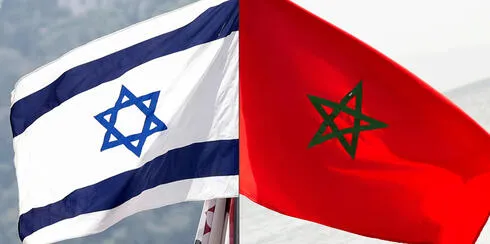
Morocco's proactive stance, however, illustrates its strategic alignment with Israel and its commitment to the broader goals of regional stability. The Moroccan government has navigated domestic political pressures, particularly from Islamist factions and neighboring Algeria, which has historically opposed cooperation with Israel. Nevertheless, Morocco's leadership has prioritized long-term strategic interests over short-term political costs, reinforcing its role as a credible partner in the region. The evolution of U.S.-Moroccan relations, particularly following the recent passage of Section 1268 in the Fiscal Year 2027 defense authorization bill, further underscores the importance of Morocco's role in the ISF. This legislation aims to solidify defense cooperation and aligns perfectly with Morocco's contributions to stabilization efforts in Gaza.
As Morocco continues to assert its presence within the ISF, it is essential for Israeli and American officials to recognize the significance of this development. Rather than waiting for delayed contributions from other nations, they should acknowledge Morocco's deployment as a critical headline in the efforts to stabilize Gaza. A multinational force focused on restoring peace requires capable partners like Morocco, who can seamlessly operate within an Israeli-aligned command structure and bring the necessary legitimacy to the region.
As reported by ynetnews.com.