
Conservation Efforts for the Zarkil Bird in Morocco
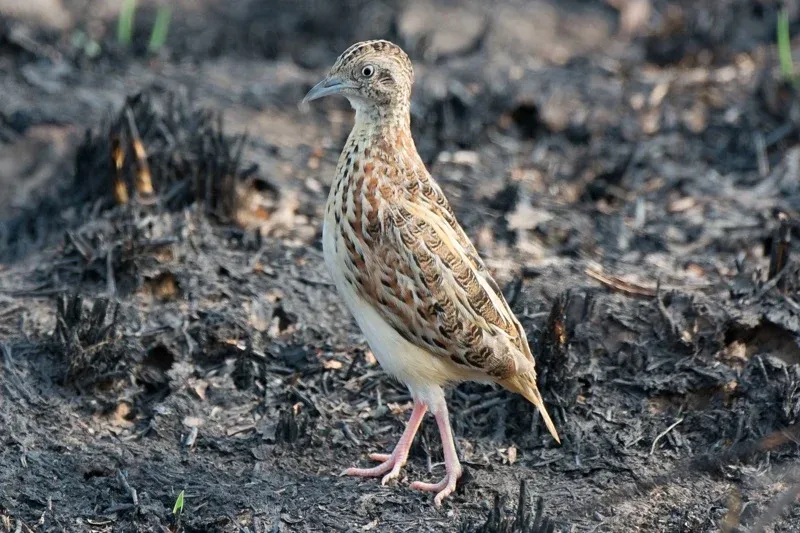
The National Agency for Water and Forests in Morocco has announced its ongoing commitment to a conservation program aimed at protecting the Zarkil bird (Turnix sylvaticus sylvaticus) outside its natural habitat. This initiative is crucial as the species faces the threat of extinction. The agency revealed that it has successfully established the first group of this bird through captive breeding, which is a significant milestone in conservation efforts.
In a statement released to the media, the agency highlighted that the program encompasses monitoring and tracking wild populations of the Zarkil bird, conservation outside its natural habitat, captive breeding, and the preservation of genetic diversity. These efforts are vital for enhancing the long-term prospects of this species' survival. The Zarkil bird is notoriously difficult to spot in the wild due to its excellent camouflage and ability to blend into its environment. Historically, this bird thrived in agricultural and natural settings across the Mediterranean basin.
However, the agency noted a significant decline in the population of this species over the past decades, leading to its disappearance from most of its former habitats in the Mediterranean region, with Morocco being one of the few remaining areas where the bird can still be found. Specifically, populations of the Zarkil bird continue to exist along the Atlantic coast, particularly in the Oualidia region of El Jadida province, where traditional agricultural environments provide suitable habitats for its survival.
Captive Breeding and Future Restoration Plans
The initial steps taken in 2026 focus on exploring and monitoring Zarkil bird populations in the wild. This initiative has successfully led to the collection of several eggs, which have since been incubated and hatched in captivity within Morocco. This effort has resulted in the creation of the first captive-bred group of the species, aimed at increasing the Zarkil population outside its natural habitat.
Currently, the first breeding nucleus is being maintained at the Ain Sebaa Zoo in Casablanca. This nucleus will serve as a genetic reservoir for the conservation and breeding of the Zarkil bird, with the long-term goal of releasing individuals back into the wild to bolster existing populations and reintroduce the species to its former habitats in Morocco.
The management of this breeding nucleus involves meticulous monitoring, particularly concerning reproduction, health tracking, and genetic management. The agency emphasizes that this approach aims to maintain the highest possible level of genetic diversity within the populations raised outside their natural habitat, thereby enhancing their integration and future contributions to conservation efforts within their natural environments.
This initiative is part of the broader framework of the "Moroccan Forests Strategy 2020-2030," which places significant importance on preserving biodiversity, protecting endangered species, and enhancing knowledge and skills in the field of natural heritage conservation.
As reported by hespress.com.