
Morocco's Innovative Approach to Urban Heat Management
In recent years, cities across the Mediterranean, including Morocco’s Marrakech and Agadir, have been grappling with the rising challenges posed by extreme heat. As temperatures soar, these urban areas are becoming hotspots for the adverse effects of climate change, necessitating urgent solutions. To address this pressing issue, Morocco has embarked on a transformative project that involves replacing traditional asphalt with a new type of permeable pavement designed specifically to combat excessive heat. This innovative approach aims to alleviate the urban heat island effect, which contributes to sustained high temperatures even after sunset, making nights uncomfortably warm.
The Science Behind Permeable Pavements
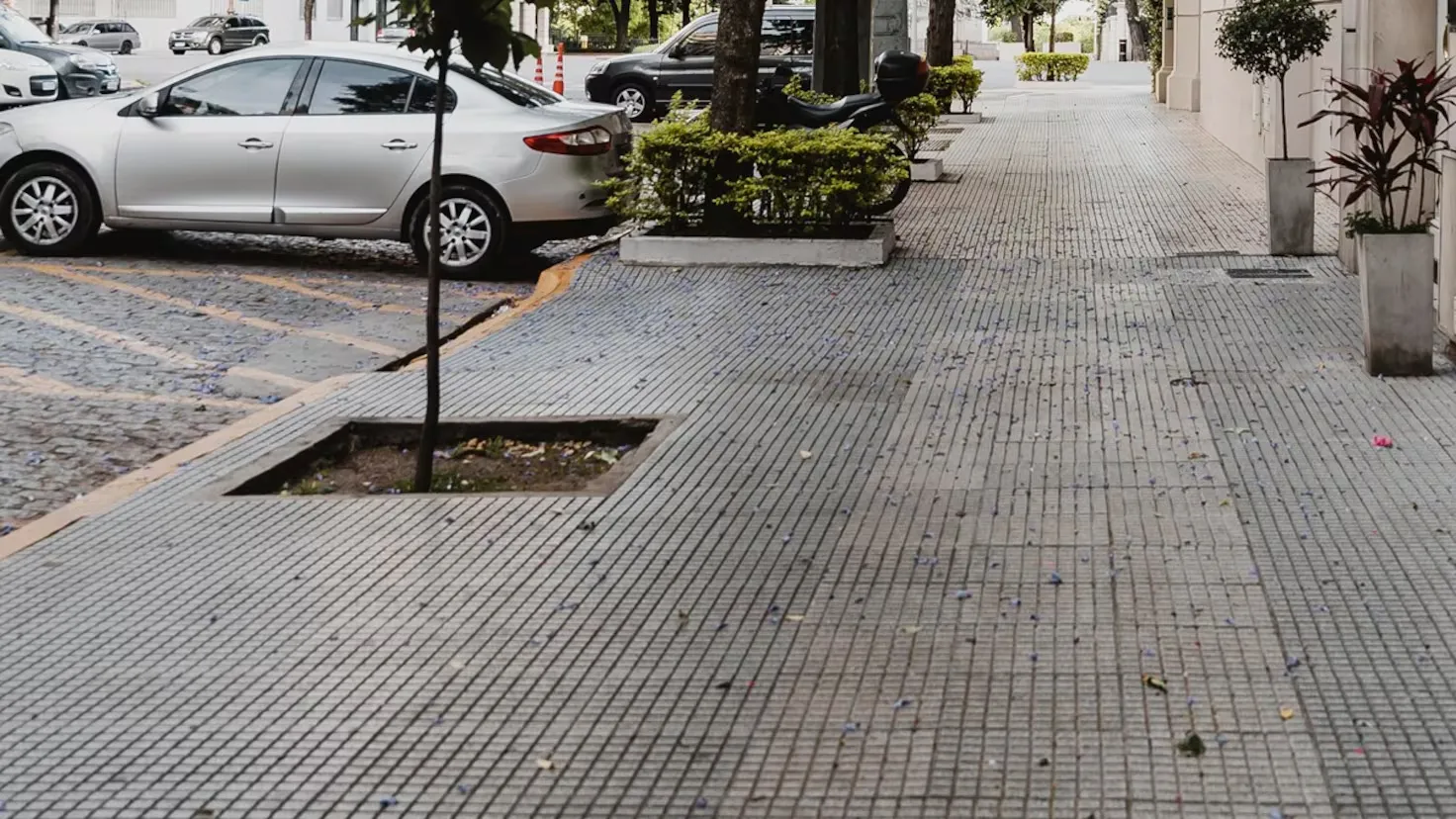
The rationale for this shift in pavement technology lies in the properties of conventional asphalt. Typically, dark asphalt surfaces absorb significant amounts of solar radiation during the day, retaining this heat for hours and contributing to the phenomenon known as the urban heat island effect. In contrast, the permeable pavements being installed in Marrakech and Agadir allow rainwater to infiltrate into the soil below rather than being directed to the sewer system. This system not only helps in managing stormwater but also utilizes the natural process of evaporation to cool the surrounding area. When the sun heats the pavement, moisture stored beneath the surface evaporates, helping to lower temperatures and mitigate heat buildup. Furthermore, during the scorching summer months, the project incorporates treated and recycled water, which reduces reliance on potable water sources while enhancing the cooling effect of these streets.
The implications of this initiative extend beyond mere surface temperature reductions. By lowering the ambient temperature of the streets, the heat absorbed by adjacent buildings can also be minimized, potentially decreasing the demand for air conditioning during peak periods. This, in turn, alleviates pressure on electrical grids and reduces energy consumption, contributing to a more sustainable urban environment. As Morocco pioneers this project, it sets a benchmark for other Mediterranean nations, such as Spain, to reconsider their urban planning strategies in the face of increasingly extreme heat. With summers regularly exceeding 104°F, the need for innovative solutions to combat urban heat is more critical than ever.
As reported by en.as.com.