
Morocco's Strategic Position in Nuclear Cooperation
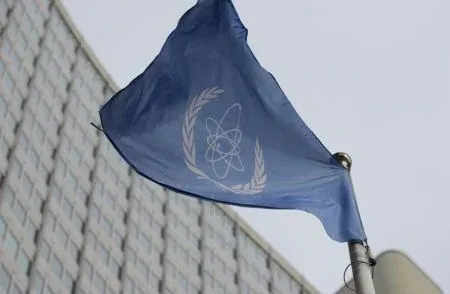
In a significant development for Africa's nuclear agenda, Morocco has assumed the presidency of the continent's primary nuclear cooperation framework, marking a pivotal moment in its influence across the region. On September 17, 2026, during the 70th General Conference of the International Atomic Energy Agency (IAEA) held in Vienna, Morocco was unanimously elected to lead the African Regional Cooperative Agreement for Research, Development and Training Related to Nuclear Science and Technology (AFRA). This prestigious position was entrusted to Hamid Marah, the Director General of the National Center for Energy, Nuclear Science and Technology (CNESTEN), who succeeds David Tshere from Botswana.
Established in 1990, AFRA comprises approximately forty member states and focuses on enhancing nuclear science and technology for peaceful purposes, particularly in health and agriculture. The IAEA provides secretarial support for this initiative. Morocco's presidency extends its ongoing commitment within the IAEA's Board of Governors, where it has been actively involved in training specialists from various African nations and operating a research reactor. During the ceremony, Rafael Grossi, the IAEA Director General, commended Morocco's leadership, highlighting that programs initiated by the agency assist 46 African countries in areas such as cancer treatment through radiotherapy.
Advancements in Africa's Nuclear Aspirations
This election comes at a time when several African nations are advancing their own nuclear programs, recognizing the potential of nuclear energy as a crucial resource for sustainable development. Ethiopia, for instance, has entered into a partnership with Russia's Rosatom to develop two reactors, while Egypt is building its El-Dabaa nuclear plant with the same partner. Other countries, including Ghana, Ethiopia, and Rwanda, are also exploring pathways to establish their nuclear capabilities.
The urgency surrounding these developments has been amplified by geopolitical tensions, particularly the ongoing conflict in the Strait of Hormuz, which has underscored the vulnerability of economies reliant on hydrocarbon imports. This situation has accelerated the search for domestic energy solutions across the continent, positioning Morocco as a regional anchor in nuclear cooperation. Azzeddine Farhane, the Moroccan ambassador in Vienna, articulated that this leadership role reflects Morocco's commitment to fostering collaboration with its African counterparts. In his inaugural address, President Hamid Marah pledged to strengthen the achievements of the program and enhance the transfer of expertise to African nations.
As reported by agenceecofin.com.