
Transforming Waste into Energy: Morocco's Innovative Project
Morocco is set to embark on a groundbreaking initiative aimed at converting solid waste into a sustainable energy source, marking a significant advancement in its quest for a cleaner economy. The Moroccan government has recently formalized a concession agreement with Kanadevia Inova, a Swiss-Japanese firm, along with its partners, to implement the Casablanca Solid Waste Treatment and Valorization Project. This ambitious project, valued at approximately $1.5 billion, is poised to revolutionize sustainable waste management across the country and signifies Kanadevia Inova's strategic entry into the African waste-to-energy sector.
Developed by a consortium of international and local stakeholders, this project is designed to enhance municipal solid waste management specifically within the Greater Casablanca area, catering to a population exceeding 4.2 million residents. By integrating waste treatment, landfill management, and renewable energy production, the project aims to optimize waste valorization rates and diminish reliance on traditional landfills. The concession grants exclusive rights for the treatment of municipal waste generated in Casablanca for a substantial duration of 33.5 years.
Environmental and Economic Impacts of the Facility
The facility is anticipated to process approximately 1.5 million tons of waste annually, with a target of achieving an impressive 80% waste valorization rate. In terms of energy production, it will feature an installed capacity of around 126 megawatts of baseload electricity, supplemented by 50 megawatts of solar photovoltaic energy and 4 megawatts of biogas derived from landfills. The overall annual electricity output is projected to reach about 1 terawatt-hour, which will provide energy for nearly one million individuals, thereby reinforcing Morocco's energy transition strategy amidst an annual electricity demand growth of approximately 3% projected through 2030.
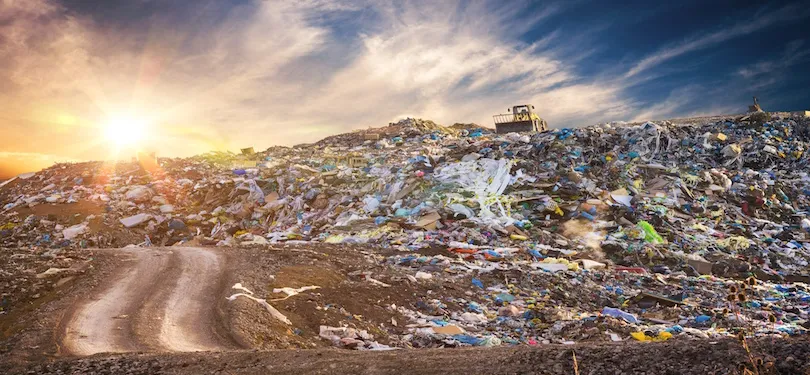
Strategically located adjacent to the Mediouna Landfill—recognized as one of Africa's largest sources of methane emissions—this project is set to play a vital role in mitigating greenhouse gas emissions by transitioning from landfill dependency to energy recovery. Beyond the environmental advantages, which include enhanced public health and reduced land use, the initiative is expected to stimulate local economic growth by generating around 140 skilled operational jobs. Additionally, during the construction phase, approximately 1,240 jobs will be created over a span of 3.5 years, along with an extra 300 roles related to infrastructure development.
As reported by northafricapost.com.