
Uncertain Climate Conditions Ahead for Moroccan Agriculture
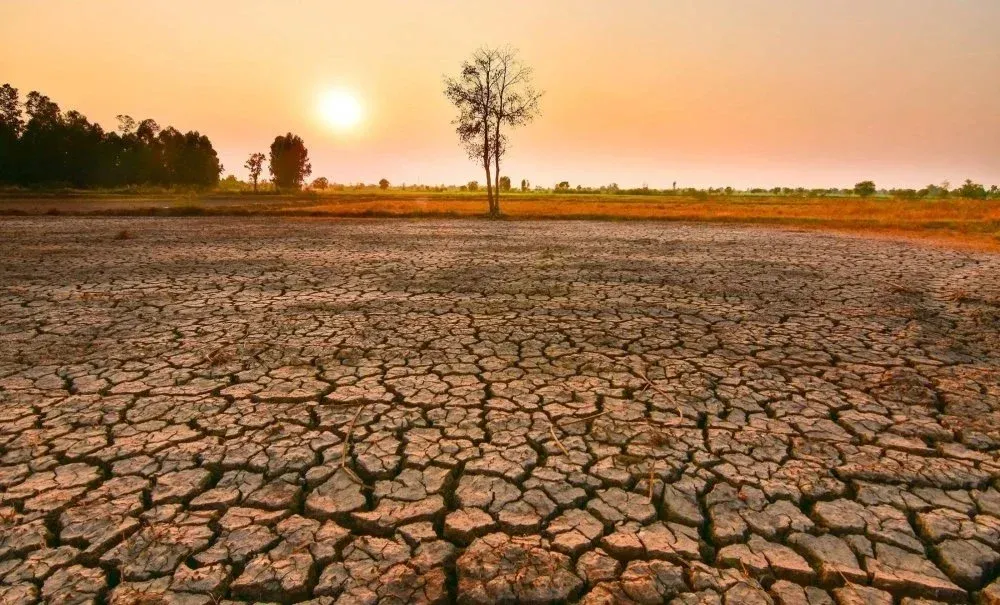
As Morocco gears up for its 2026-2027 agricultural campaign, the looming presence of climate uncertainty, particularly the potential intensification of the El Niño phenomenon, casts a shadow over the upcoming season. According to reports from Le Nouvelliste, El Niño is characterized by the unusual warming of surface waters in the central and eastern tropical Pacific, which can disrupt atmospheric circulation and subsequently impact temperature and rainfall patterns in various parts of the globe. This climatic anomaly raises pertinent questions regarding the agricultural landscape of Morocco, though it does not definitively signal a drought scenario.
The crux of the matter for Morocco lies in the distribution of rainfall during the autumn and winter months. Agricultural expert Ibrahim El Anbi emphasizes that the relationship between El Niño and precipitation in the Kingdom is not straightforward, as factors such as conditions in the Atlantic and Mediterranean and the paths of weather systems also play significant roles in determining rainfall outcomes. This perspective is crucial, especially in light of recent improvements in the water situation following last season's rainfall, which, while encouraging, does not eliminate the possibility of experiencing new rainfall deficits.
Impacts on Crop Yields and Water Security
For farmers, the pivotal concern revolves not solely around the total amount of rainfall but rather its timing. Episodes of heavy rainfall that are infrequent can be detrimental compared to more consistent, moderate rainfall patterns; this is particularly true for cereals and other rain-fed crops, which are vulnerable to fluctuations in water availability. A delayed onset of rainfall or insufficient water during critical growth stages can significantly hinder germination, development, and ultimately crop yields. Additionally, concentrated rainfall can pose its own challenges, including the risk of flooding, increased soil erosion, and damage to both crops and agricultural infrastructure.
Several scenarios could unfold for the 2026-2027 agricultural season: a steady distribution of rainfall could lead to a prosperous farming year, while a pattern of alternating prolonged dry spells and intense rain events could further complicate agricultural conditions. This unpredictability extends to the broader issue of water security in Morocco, prompting ongoing investments in seawater desalination, inter-basin water transfer projects, and the reuse of treated wastewater.
Within the agricultural sector, adapting to these challenges necessitates improved management of soil and water resources, the selection of crop varieties that are more resilient to adverse climate conditions, and the establishment of robust forecasting and early-warning systems. As the new agricultural campaign approaches, stakeholders will closely monitor the evolution of El Niño, although it is important to note, as highlighted by Le Nouvelliste, that this phenomenon alone will not dictate the season's outcomes. Instead, the consistency and regularity of rainfall will remain the most critical aspect to observe.
As reported by northafricapost.com.