
Overview of Morocco's 2027 Finance Bill
As Morocco gears up for its upcoming 2027 Finance Bill, the Ministry of Economy and Finance has unveiled a comprehensive macroeconomic framework report that outlines the government's strategic priorities for its final term in office. This report emphasizes key areas such as infrastructure development, private sector investment, social protection, health care, and education, as highlighted by Aujourd’hui le Maroc. The proposed initiatives reflect the government's commitment to enhancing public investment and ensuring sustainable management of resources while meeting the directives of the monarchy.
Investments in Infrastructure and Private Sector Growth
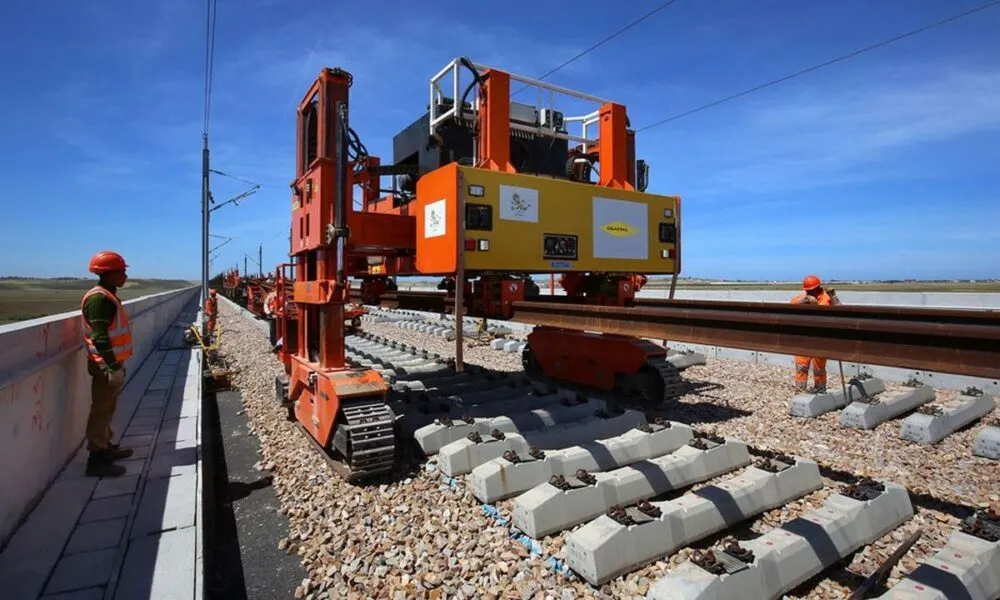
The Moroccan government is set to advance several major infrastructure projects, including the expansion of its national motorway network, currently at 1,800 kilometers. Noteworthy projects include the ongoing development of the Rabat-Casablanca highway and the construction of the Guercif-Nador motorway, alongside improvements to expressways that connect critical transport hubs. In terms of rail transport, the government aims to extend the high-speed rail line along the Kénitra-Marrakech route by 430 kilometers, while also establishing regional express rail networks across various regions. Furthermore, the "Airports 2030" strategy envisions accommodating 80 million passengers annually through enhancements at key airports and increasing the fleet of Royal Air Maroc.
On the private investment front, the implementation of the Investment Charter will continue, with a focus on simplifying access to financing for small and micro enterprises. The government plans to relax public procurement regulations, raising the annual thresholds for contracts significantly, thereby stimulating economic growth across various sectors.
In the realm of social welfare, the 2027 initiatives will expand mandatory basic health insurance and direct social assistance, which will include provisions for families transitioning away from direct aid. The government expects to reduce medicine costs, which will result in substantial savings for policyholders and the national health insurance system. Additionally, new university hospital centers are scheduled to open in Laâyoune and Rabat, with further developments in other regions aimed at enhancing health care accessibility and infrastructure.
Through these comprehensive proposals, Morocco aims to address critical issues in education, health, and employment, ensuring that its economic growth translates into improved living standards for its citizens. The focus on infrastructure, private investment, and social welfare reflects a holistic approach to national development.
As reported by northafricapost.com.