
The Allegations of Planned Migration to Ceuta
Did Morocco orchestrate the recent influx of approximately 80,000 migrants who illegally crossed into Spain at the end of July, specifically into Ceuta? While Spanish President Pedro Sánchez has consistently refrained from implicating the Rabat government, a recent report from the National Police of Spain suggests otherwise. The report, requested by a judge from the National Court, indicates that the mass entry of foreigners into Ceuta was not a spontaneous event but rather a coordinated effort led by Moroccan gendarmes. This assertion contradicts Sánchez’s public statements made during his first interview since the migration crisis erupted.
In an interview aired on Monday, Sánchez dismissed any notion of Moroccan authorities being involved in the operation, which he characterized as orchestrated via social media platforms. He stated, "There is no information from the State security forces or the National Intelligence Center that raises any doubts about the participation of Moroccan authorities." Instead, he pointed fingers at external influences, including Russia and Israel, suggesting that they, along with a far-right international coalition, were responsible for spreading disinformation related to the migration crisis.
Calls for Transparency and Accountability
In the early hours of Wednesday, Spain's Interior Minister, Fernando Grande-Marlaska, formally requested the complete report from the National Police's director, Francisco Pardo. This report implicates Morocco as a key instigator in the crisis, which has resulted in over 140 fatalities among those attempting the perilous journey to Ceuta. Minister of the Presidency, Félix Bolaños, refuted claims that the government was hiding information and urged caution, emphasizing the need for a thorough examination of the report before drawing conclusions.
According to the police document, the border crossing by thousands of foreign nationals was far from a random migration phenomenon; it was a deliberate operation guided by Moroccan security forces. Grande-Marlaska demanded to know how long the police had been aware of this critical information, which is essential for the government to make informed decisions regarding the ongoing migration crisis.
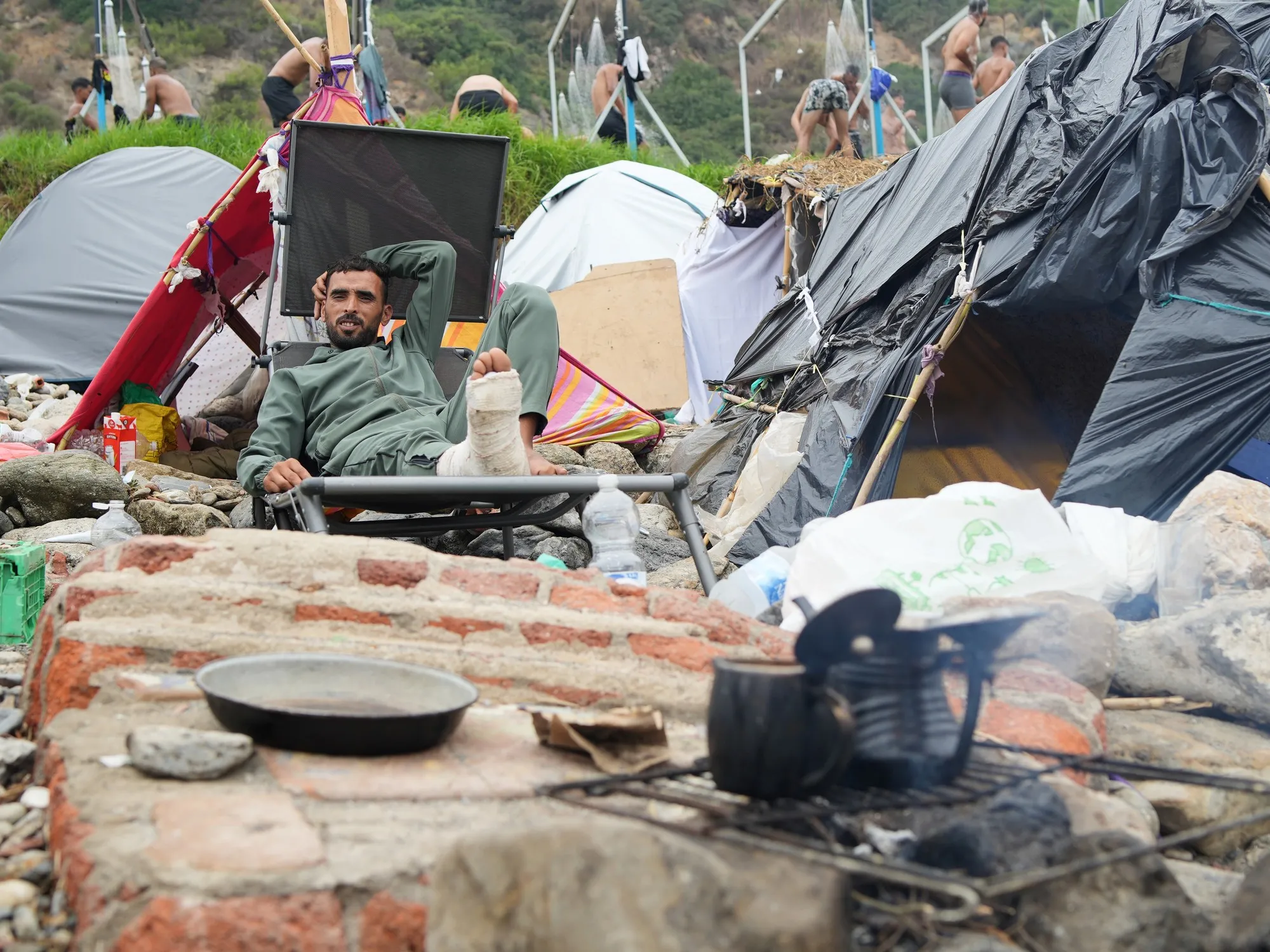
As Ceuta celebrated its autonomous city day on September 2, Sánchez acknowledged the city's residents, commending them for their composure and solidarity during a particularly challenging time. He highlighted the government's commitment to restoring normalcy and providing adequate support to those who arrived in Ceuta, noting that out of the 80,000 migrants, approximately 90% returned to Morocco voluntarily. However, about 5,000 migrants remain in the city, including around 1,200 minors.
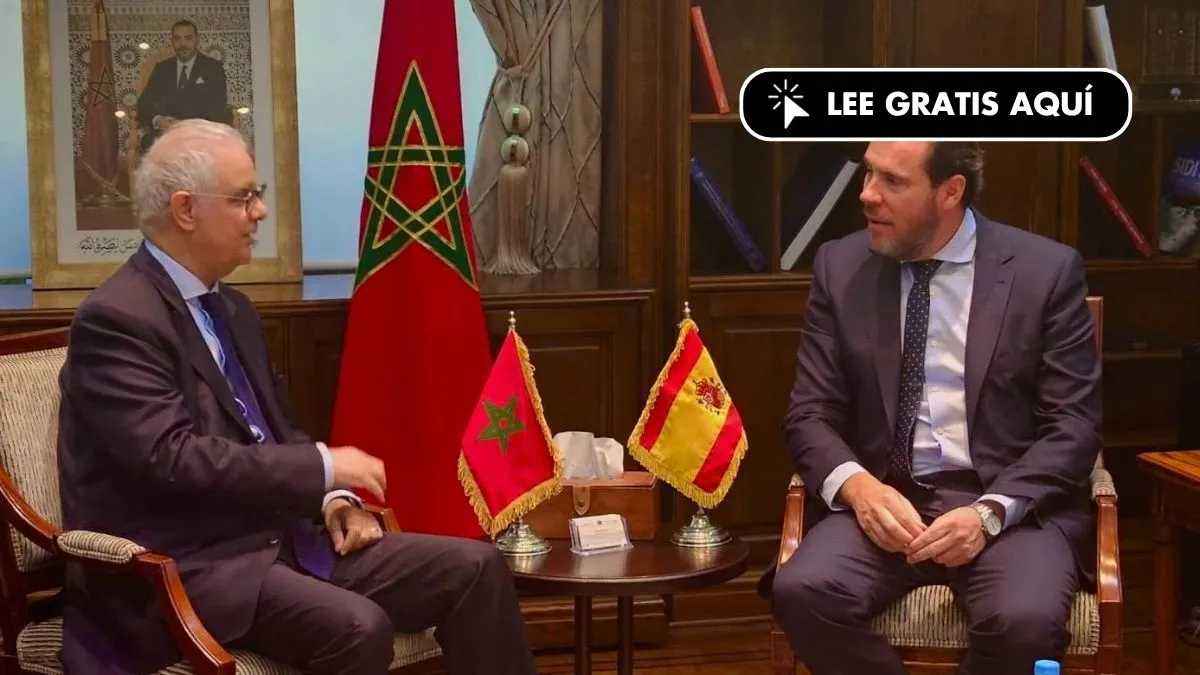
Regional President Juan Jesús Vivas expressed grave concerns over the situation, asserting that the mass immigration was organized and deliberate. He was joined by Alberto Núñez Feijóo, leader of the opposition and President of the Popular Party (PP), who called for the Spanish government to formally address the Moroccan ambassador regarding the crisis. The PP has been vocal about its belief that the current administration has failed to ensure national security amidst the turmoil.
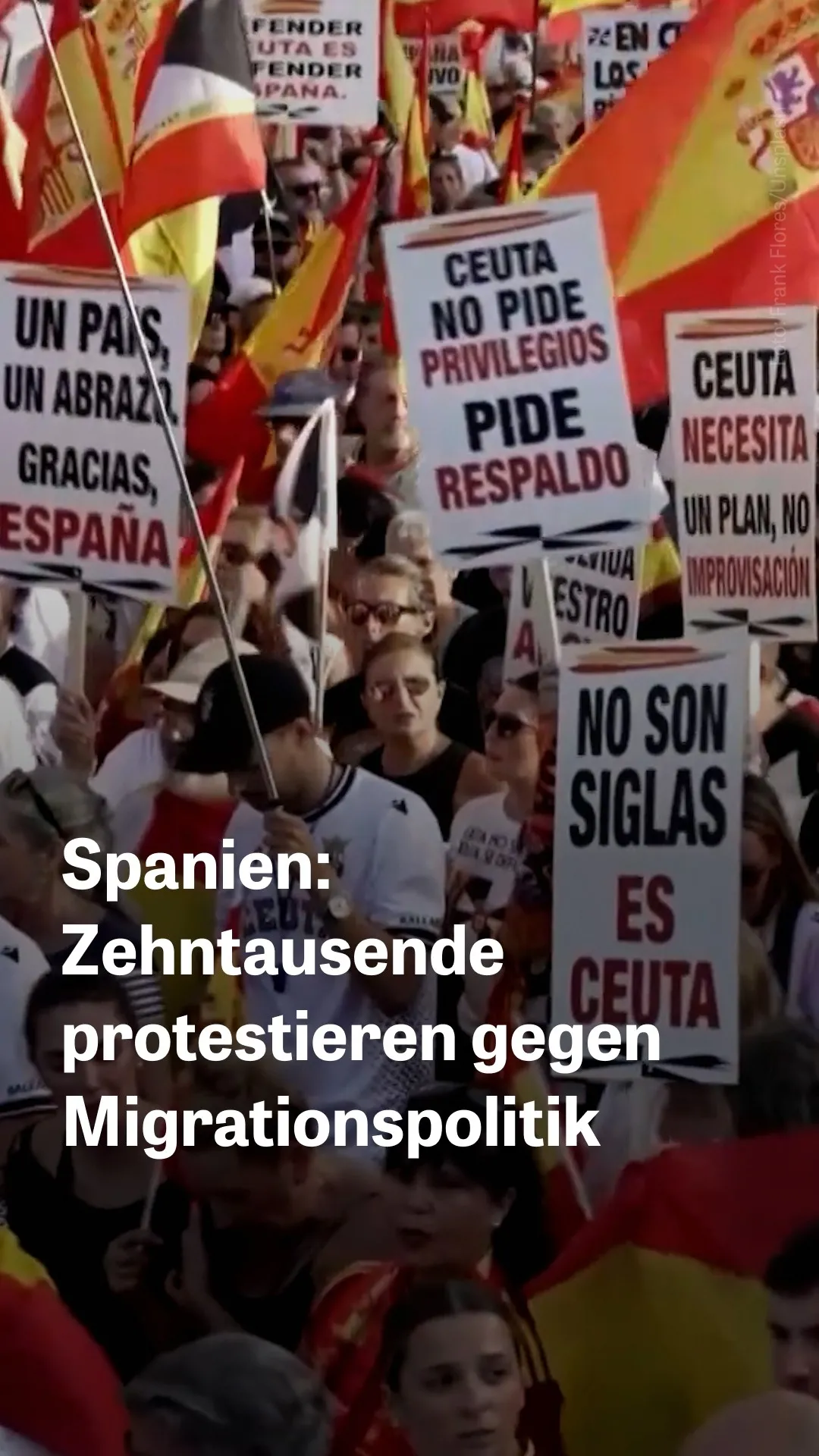
On September 2, the Spanish Federation of Municipalities and Provinces, led by the PP, organized demonstrations across more than 2,000 municipalities in support of Ceuta. In Ceuta itself, protests erupted with local residents marching under the slogan, "Ceuta does not sell, Ceuta defends," demanding the resignation of Sánchez and urging the government not to abandon them. In Madrid, around 50,000 people gathered to voice their concerns, with city Mayor José Luis Martínez Almeida emphasizing that the crisis is not merely a migration issue but a pressing matter that affects all of Spain. The demonstration also saw participation from Santiago Abascal, leader of Vox, who called for accountability from the PP regarding their legislative support to hold Sánchez accountable for his actions.
As reported by clarin.com.