
Transforming Travel in Morocco with a New Bullet Train
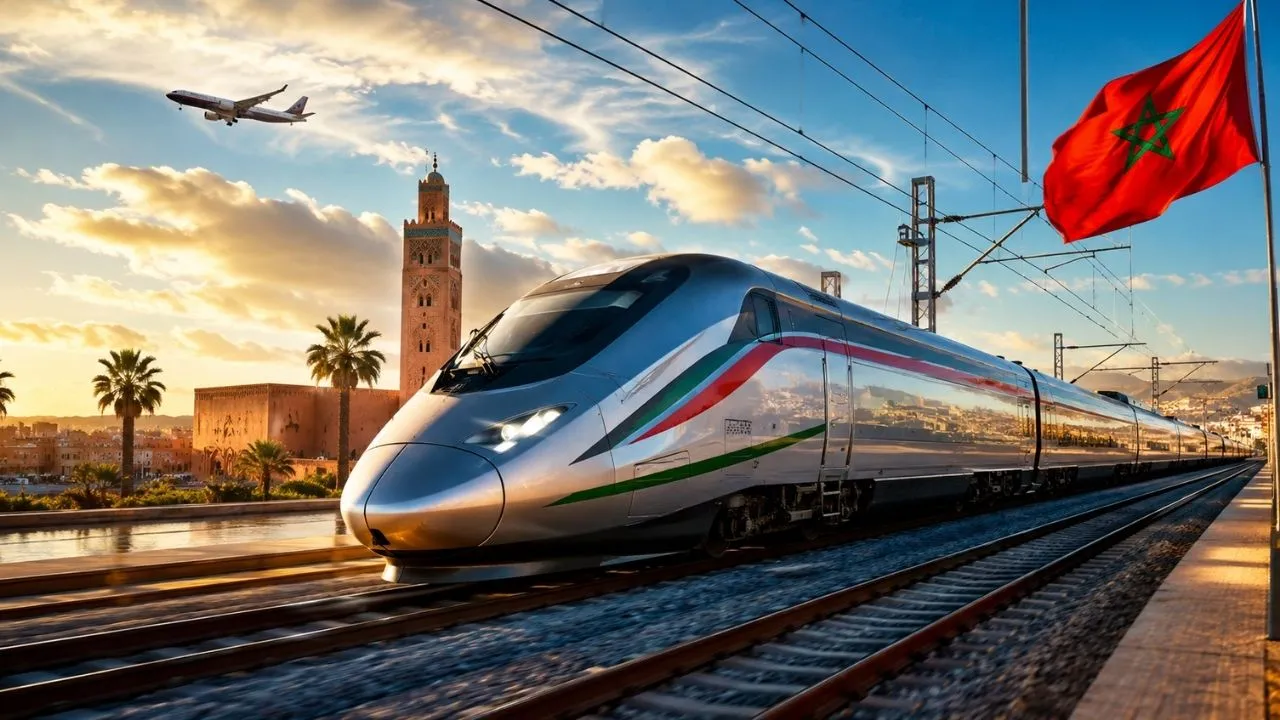
Morocco is set to revolutionize its transportation infrastructure with the introduction of a high-speed bullet train designed to reach speeds of 350 kilometers per hour. This ambitious project, which will stretch approximately 430 kilometers from Kenitra to Marrakech, will connect key urban centers such as Rabat and Casablanca, significantly reducing travel times. The journey from Marrakech to Tangier is expected to take just 2 hours and 40 minutes, a remarkable decrease in travel duration that underscores the transformative potential of this railway initiative. Additionally, the travel time between Rabat and Casablanca's main airport will be streamlined to a mere 35 minutes, enhancing accessibility for both domestic and international travelers.
A Comprehensive Rail Modernization Plan
Approved by King Mohammed VI, this railway program, estimated to cost around 96 billion dirhams (approximately $10.3 billion), encompasses more than just the bullet train. It includes the acquisition of 168 new trains and aims to improve various aspects of the rail network across Morocco. Approximately 53 billion dirhams will be specifically allocated to the high-speed rail extension to Marrakech, a pivotal tourist destination. This initiative aligns with Morocco's goal to enhance internal mobility and prepare for the anticipated influx of visitors during the 2030 World Cup, which the country will co-host with Spain and Portugal.
The project will facilitate connections between four major urban areas—Rabat, Casablanca, Marrakech, and Tangier—integrating them into a cohesive transport network that supports tourism, business, and public services. The ONCF (Office National des Chemins de Fer), Morocco's state-owned railway operator, has announced contracts with international suppliers to ensure the new fleet's delivery, which will include advanced two-level trains from French company Alstom, capable of accommodating around 640 passengers.
Beyond improving travel speeds and reducing journey times, this railway expansion is expected to stimulate local industry by developing suppliers and maintenance facilities within Morocco. The government aims to foster a self-sufficient railway ecosystem that minimizes reliance on foreign services while enhancing technical expertise in the country. As a result, the railway infrastructure will not only serve as a means of transportation but also as a catalyst for industrial growth and job creation.
The implications of this monumental project could be profound, making rail travel more appealing compared to road transport and domestic flights. However, for the bullet train to achieve its intended impact, it will be essential to ensure that ticket prices remain affordable, and that the railway system integrates seamlessly with other modes of transport. The success of this initiative will depend on the execution of timely construction, effective train acquisition, and modernization of stations. Ultimately, the bullet train is poised to significantly alter the perception of distance and accessibility across Morocco, fostering a new era of mobility for residents and tourists alike.
As reported by en.clickpetroleoegas.com.br.