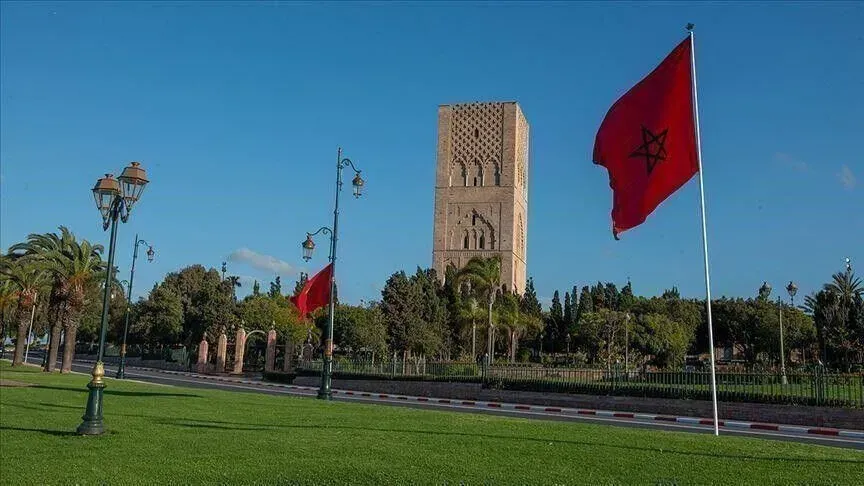

As the global competition accelerates in the race to lead the artificial intelligence (AI) revolution, African nations are striving to redefine their positions within the global technology landscape. Among these nations, Morocco stands out as a potential key player, leveraging its geographical proximity to Europe, the advancement of its digital infrastructure, investments in education and innovation, and its aspiration to become a regional hub connecting global companies with the African market. This raises the question: Does Morocco possess the necessary attributes to transform into the "gateway for artificial intelligence" to the African continent? Or is it still facing numerous challenges related to skills, funding, and digital infrastructure?

Digital Strategy to Transform Morocco's Technological Standing
In recent years, Morocco has made digital transformation a central pillar of its economic development strategy, with an increasing emphasis on emerging technologies, particularly artificial intelligence. The country is actively working to enhance its digital ecosystem aimed at promoting the use of technology across various sectors, including governance, industry, agriculture, finance, and education. According to reports from the World Bank, Morocco has witnessed significant progress in the realm of digital government services, with a notable expansion in the use of electronic platforms and improvements in communication infrastructure, establishing a solid foundation for the adoption of AI technologies.
The Moroccan government has also initiated programs to support startups and innovation in a bid to transition the economy from a traditional reliance on manufacturing sectors to a knowledge-based, technology-driven economy. Experts believe that possessing an advanced digital infrastructure is now a fundamental requirement for any nation aiming to compete in the AI arena, as these technologies necessitate robust communication networks, data centers, and advanced computing capabilities.
A Strategic Location Between Europe and Africa
Morocco enjoys a unique geographical advantage, situated close to the European market while serving as a natural gateway to Africa. This strategic position has made it a focal point for attracting foreign investments in sectors such as automotive, aerospace, and renewable energy. The country is now aiming to translate this advantage into the tech sector by attracting global AI companies looking to access African markets.
Reports from the United Nations Conference on Trade and Development (UNCTAD) indicate that Africa represents a substantial future market for digital technologies, especially with its rapid population growth and increased smartphone and internet usage. Accordingly, Morocco is positioning itself as a bridge between global companies and African markets, capitalizing on its economic relationships with Europe, Africa, and the Middle East.
However, despite its ambitions, Morocco faces significant challenges related to the availability of specialized skills essential for developing the AI industry, both domestically and across Africa. AI relies not only on hardware and software but also requires engineers and researchers capable of developing algorithms, analyzing data, and building intelligent models. Morocco is investing in education related to science, technology, engineering, and mathematics (STEM) while supporting research programs in AI and data science.
While there are university and research initiatives aimed at producing a new generation of specialists, experts emphasize that global competition necessitates expanding investment in scientific research and increasing spending on innovation. According to data from the Organisation for Economic Co-operation and Development (OECD), countries that have successfully established strong economies in AI are those that have made long-term investments in education and scientific research rather than merely purchasing ready-made technologies.
The Moroccan government is working on developing a digital strategy aimed at fostering innovation, improving government services, and promoting the use of AI technologies across various sectors. Startups in Morocco are gradually growing, especially in fields like financial technology, cybersecurity, and data analytics, striving to leverage AI to address local challenges such as enhancing agricultural productivity, developing healthcare services, and automating business processes.
Despite the positive direction, Morocco's ecosystem still requires additional investment, particularly in the growth stages of companies, as AI projects demand significant capital and advanced technical capabilities. Morocco views AI not simply as a technical sector but as a tool that can reshape entire economic sectors. For instance, AI can significantly improve water management, crop forecasts, and monitor the impacts of climate change in agriculture—an area critical for a country facing challenges related to drought.
In healthcare, these technologies can support disease diagnosis, medical image analysis, and enhance hospital management, while in industry, intelligent systems can boost productivity and reduce costs, particularly in sectors where Morocco has a strong presence such as automotive manufacturing and aerospace. However, Morocco is not the only African nation vying for leadership in AI; countries like Egypt, South Africa, and Nigeria are also developing their technology and innovation sectors, benefiting from large domestic markets and a broad pool of technical talent.
As the future of AI in Africa depends on countries' abilities to forge international partnerships, advance digital education, and create legislative environments that protect data and encourage innovation, Morocco still faces the task of establishing a legal and regulatory framework that balances promoting innovation with safeguarding user rights. Issues surrounding data protection, transparency, and the use of algorithms in decision-making are crucial discussions for governments worldwide.
Ultimately, Morocco's journey towards becoming a potential AI gateway requires substantial investments and a commitment to fostering an environment that encourages technological advancement and innovation.
As reported by aljazeera.net.