
The Road to the 2030 World Cup: Morocco's Vision and Preparations
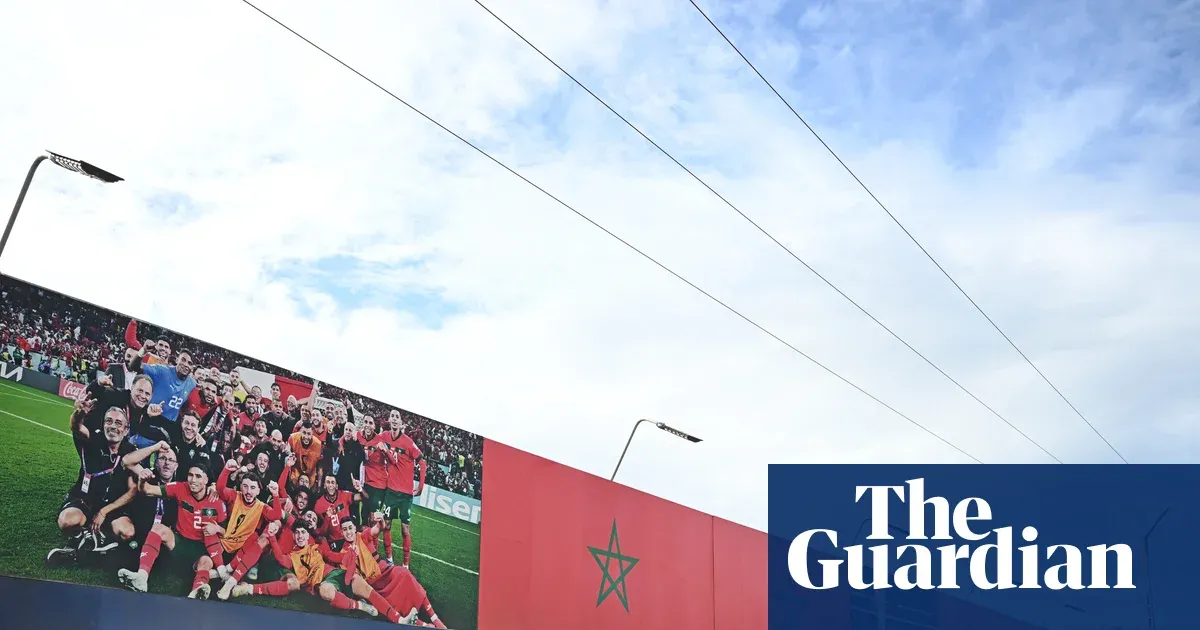
Morocco’s remarkable journey in the world of football saw its latest chapter close with a quarter-final defeat to France in the World Cup. However, the officials at the Royal Moroccan Football Federation (FRMF) are not resting on their laurels. Instead, they are gearing up for a busy season ahead, with the Women’s Africa Cup of Nations (Wafcon) set to kick off in Rabat shortly after the World Cup final in New Jersey. This event marks a significant moment as it introduces a new 16-team format, enhancing the tournament's prestige and competitiveness. Furthermore, Morocco is also preparing to host the Under-17 Women’s World Cup later this autumn, showcasing its commitment to women’s football and youth development.
Looking beyond these immediate events, the focus is intensifying on the monumental task of preparing for the 2030 World Cup, which Morocco will co-host alongside Spain and Portugal. With just over 1,400 days remaining until the opening match, the imperative is to ensure that all preparations are conducted with the utmost professionalism. The stakes are considerably high, given that this will be only the second World Cup ever held on African soil, following South Africa's successful hosting in 2010.
Investment, Legacy, and Social Implications
The financial commitment towards this ambitious project is staggering, with estimates suggesting that Morocco is budgeting between 50 to 60 billion Moroccan dirhams (approximately £4 billion to £4.8 billion) for direct football-related investments. Additionally, a considerable amount of around £17 billion is earmarked for necessary infrastructure upgrades. An evaluation by the International Monetary Fund indicates that these accelerated expenditures between 2024 and 2030 could represent 11.9% of Morocco’s GDP for that year. Such a significant financial undertaking demands a strategic approach, ensuring that funds are allocated wisely and effectively to maximize both immediate benefits and long-term legacy.
As the Morocco 2030 Foundation, the body responsible for overseeing tournament preparations, continues its work that commenced in 2024, it is drawing valuable lessons from the United States’ organization of the World Cup. Regular collaboration with Spain and Portugal aims to align efforts and establish a unified approach to hosting. FIFA's decision on host cities is expected by the end of this year, alongside discussions on whether to revert to the local organizing committee model, which was abandoned in favor of direct FIFA control for the most recent tournament.
Beyond the excitement of hosting the World Cup, there are underlying concerns among the populace regarding the allocation of resources. While many view the tournament as an opportunity to enhance national infrastructure, others question whether such vast investments should prioritize education and healthcare instead. The diverse opinions reflect societal divides shaped by socio-economic backgrounds and political ideologies. Nevertheless, Morocco is making strides in improving its transport infrastructure, including airports and railways, while also enhancing stadium facilities and urban development. This holistic approach aims not only to accommodate the World Cup but also to foster sustainable growth for future generations.
As Morocco prepares for this global event, it is essential to learn from past experiences, particularly South Africa's hosting of the 2010 World Cup. Dennis Mumble, a former CEO of the South African Football Association, emphasizes the importance of planning for the event’s legacy and ensuring that infrastructure does not become a financial burden. He recounts the challenges faced by South Africa, where cost overruns and predatory pricing became significant issues during stadium construction. To avoid such pitfalls, meticulous planning and a keen focus on multi-purpose use of venues are crucial.
In conclusion, Morocco's pursuit of hosting the 2030 World Cup is laden with both opportunities and challenges. As it seeks to frame the event as one that celebrates African unity and progress, the nation must navigate the complexities of global scrutiny while ensuring that the benefits of this undertaking extend beyond the tournament itself. The commitment to fostering partnerships within the African football community seeks to address the infrastructural disparities that hinder many nations, thereby creating a lasting impact that resonates well beyond 2030.
As reported by theguardian.com.