
Morocco's Vision for Technological Independence
In a transformative move, Morocco is actively reshaping its identity from being perceived as a low-cost manufacturing hub for Europe to establishing itself as a leader in technological and industrial sovereignty. This evolution is being analyzed by COPE's correspondent in Morocco, Beatriz Mesa, alongside José Ángel Cuadrado, director of the program "Lo que viene." Their discussions reveal Morocco's ambition to harness its technological potential over the next decade, especially against the backdrop of the ongoing migration crisis in Ceuta.
Beatriz Mesa highlights the emergence of a new generation of professionals trained in artificial intelligence, engineering, and cybersecurity. She emphasizes that Morocco has recognized the necessity of not just being a consumer of technology but actively participating in its development. This shift is underscored by public policies aimed at fostering local talent and innovation.
Establishing a Unique AI Strategy
Morocco's strategic initiative, titled "AI Made in Morocco," aims to foster collaboration among universities, startups, and government entities. This initiative includes partnerships with major players like Orange and the European company Mistral AI, signifying a commitment to advancing its artificial intelligence landscape. Furthermore, there is a noticeable shift towards English as a primary academic language, surpassing the previously dominant French influence.
In the offshoring sector, the country currently supports approximately 150,000 jobs for multinational corporations, including Amazon, with projections indicating growth to 270,000 jobs by 2030. This expansion is attracting members of the Moroccan diaspora back to the homeland, drawn by competitive salaries, while authorities are also focused on integrating 1.5 million inactive youth through vocational training programs.
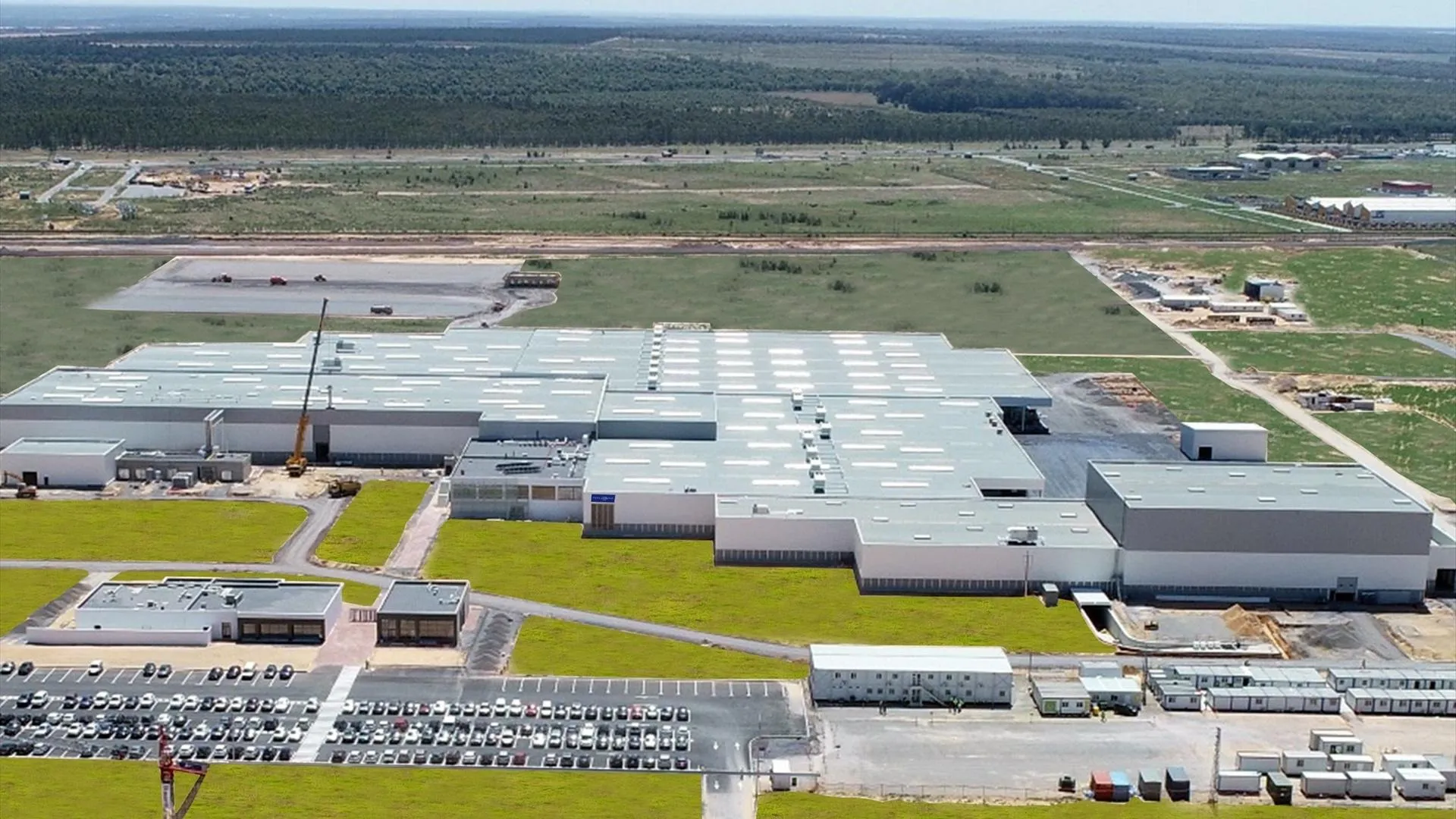
Morocco's automotive industry is witnessing significant advancements, with projects like the Gotion High Tech battery factory in Kenitra and Stellantis developments enhancing its industrial footprint. Beatriz Mesa notes that Morocco perceives its relationship with Spain as a collaborative opportunity rather than merely a transactional one, aiming to become a genuine industrial platform linking Europe and Africa.
To bolster its industrial independence, Morocco is forging multipolar alliances with nations such as the United States, Israel, China, Russia, and the United Arab Emirates. The presence of aerospace group Safran near Casablanca is indicative of this ambition. Additionally, infrastructural developments, including a high-speed train connecting Tangier, Rabat, and Kenitra, further facilitate economic integration, with plans to extend the network to Marrakech and Agadir.
As Morocco embarks on this ambitious trajectory towards technological innovation, it is poised to position itself as a frontrunner in global advancements, emphasizing that those who adapt swiftly will gain a competitive edge in this rapidly evolving landscape.
As reported by cope.es.