
Transforming Morocco into a Premier Business Tourism Destination
Morocco is embarking on an ambitious journey to establish itself as one of the leading destinations for meetings, incentives, conferences, and exhibitions (MICE) globally. With a strategic vision aimed at transforming the country's tourism landscape, significant investments are being funneled into the development of new convention centers, exhibition facilities, and essential infrastructure. The Moroccan government has set an ambitious target of attracting approximately 2.3 million business travelers by the year 2030, positioning business tourism as a key pillar of the nation’s broader tourism strategy. This shift in focus from traditional leisure tourism to high-value segments is expected to generate substantial economic activity throughout the year, thereby reducing the seasonal fluctuations that many tourist destinations face.
Currently, Morocco is experiencing a large-scale infrastructure expansion in key cities such as Agadir, Marrakech, Casablanca, and Rabat. These developments are not only designed to enhance Morocco's global competitiveness but also to diversify its tourism economy, creating a robust environment for business tourism to thrive.
Strategic Importance of Business Tourism in Morocco
Business tourism has been recognized as one of the most lucrative sectors within the global travel industry, and Morocco is keen to capitalize on this potential. During a presentation before the House of Councillors, Handicrafts and Social and Solidarity Economy Minister Fatim-Zahra Ammor underscored the importance of integrating business tourism into the country's national tourism plans. This sector has been incorporated into Morocco's tourism roadmap, reflecting its ability to generate significant economic returns. Unlike conventional tourism, which often peaks during holiday seasons, business tourism ensures a steady flow of visitors throughout the year. This stability is crucial for local economies, which benefit from the increased spending on accommodations, transportation, dining, and recreational activities associated with corporate events and international conventions.
Furthermore, hosting international events not only boosts local economies but also enhances the global visibility of the host cities, exposing them to decision-makers, investors, and multinational corporations. This competitive edge is a vital aspect that Morocco is actively pursuing as it aims to elevate its status in the global MICE sector.
Morocco’s commitment to strengthening its business tourism capacity is evident in the ongoing infrastructure developments. Currently, the country boasts approximately 135,000 seats available for business and conference tourism across various cities, which supports the growing number of corporate events and international meetings. The increasing investments in this sector signal a shift in perception, with business tourism being recognized as a foundational element of Morocco's tourism economy rather than a supplementary market. As competition among destinations intensifies globally, countries are vying for international conventions and major exhibitions, which yield immediate economic benefits while enhancing long-term destination branding.
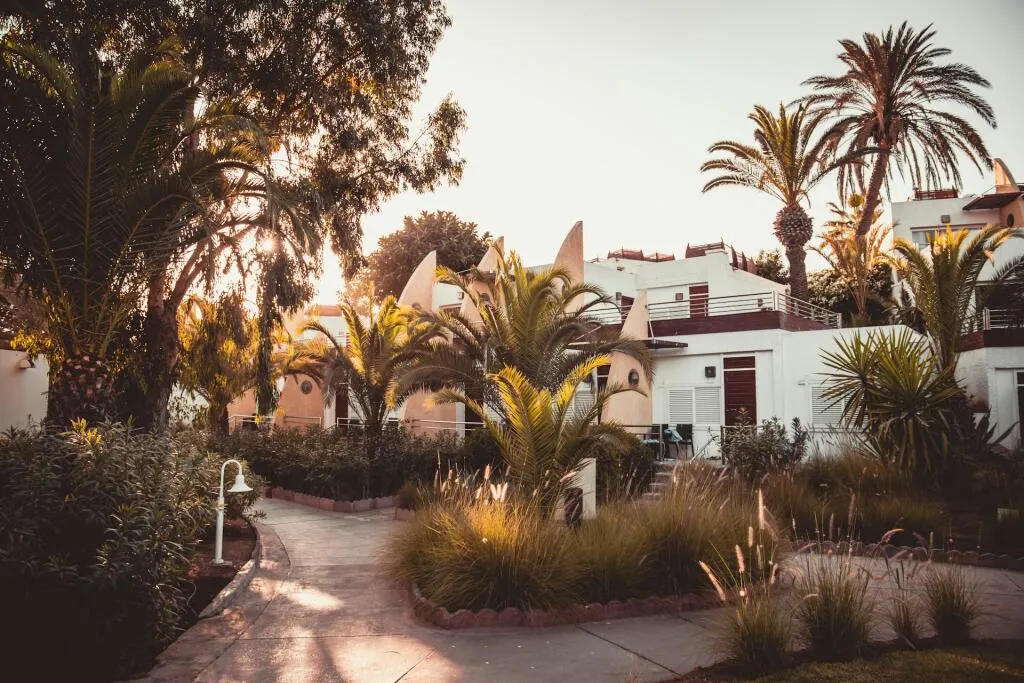
Agadir is poised to become a significant player in Morocco's business tourism landscape with plans for a new convention center set to open by the end of 2026, equipped with a capacity of 5,000 seats. This development aims to diversify Agadir’s appeal beyond its traditional beach tourism, transforming it into a multi-purpose destination that caters to both corporate and leisure visitors. The synergy between business tourism and Agadir’s existing tourism offerings is expected to increase visitor durations and promote additional spending in local businesses, including hotels, restaurants, and cultural attractions.
Meanwhile, Marrakech is undergoing a substantial transformation, with a world-class convention center in development that will accommodate up to 20,000 attendees. This infrastructure upgrade is anticipated to elevate Marrakech into the ranks of the top ten business tourism destinations globally, leveraging its strong international reputation and cultural heritage. The combination of business and leisure opportunities—often referred to as 'bleisure' travel—positions Marrakech as an attractive choice for event organizers who want their delegates to enjoy the city’s rich offerings before and after conferences.
Casablanca and Rabat are also part of this dynamic vision, with plans for a convention center in Casablanca and a new exhibition center in Rabat, both of which will significantly enhance their capacities to host large-scale events. These investments reflect a nationwide commitment to developing business tourism infrastructure that fosters economic growth across multiple regions.
Although these ambitious projects require substantial financial resources and long-term investment commitments, the Moroccan government remains dedicated to examining future proposals that could further strengthen the conference and exhibition tourism sectors across the country. As 2030 approaches, Morocco is poised to redefine its tourism model, blending international business opportunities with its rich cultural and leisure appeal, thus potentially emerging as a leading business tourism destination in Africa and beyond.
As reported by travelandtourworld.com.