Transforming Morocco for the 2030 World Cup
As the countdown to the 2030 FIFA World Cup begins, with Morocco set to co-host the tournament alongside Spain and Portugal, the nation is fervently advancing its preparations. Over the next four years, Morocco is committed to a comprehensive modernization of its sports, transportation, and hospitality infrastructures, ensuring they meet FIFA’s rigorous standards. This initiative is not merely about hosting a global sporting event; it is part of a broader long-term development strategy aimed at enhancing regional competitiveness and boosting tourism.
Major Infrastructure Developments
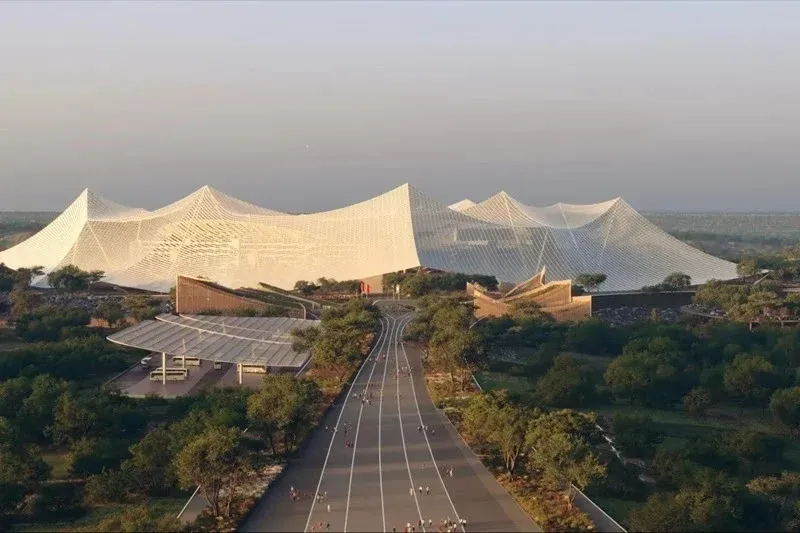
At the heart of these efforts is the monumental Grand Stadium Hassan II, currently under construction in Benslimane. Once completed, it is projected to accommodate over 115,000 spectators, positioning it as the largest football stadium in the world by capacity. In tandem with this flagship project, existing stadiums in major cities such as Rabat, Casablanca, Tangier, Marrakech, Agadir, and Fez are undergoing significant renovations. These upgrades include increasing spectator capacity, modernizing seating areas, enhancing accessibility, and bolstering security measures, all aimed at meeting international standards.
However, Morocco’s preparations extend beyond just sports facilities. The government is also focusing on improving transportation networks to facilitate the movement of fans and delegations across various cities. A key project is the expansion of the high-speed train line (LGV) connecting Kenitra and Marrakech, which promises to drastically reduce travel time between major urban centers in the Kingdom.
Moreover, the country's primary airports are undergoing substantial expansions and upgrades to increase their capacity in anticipation of a surge in visitors during the tournament. This modernization will not only accommodate the influx of tourists during the World Cup but will also support the growing tourism sector in the years to come.
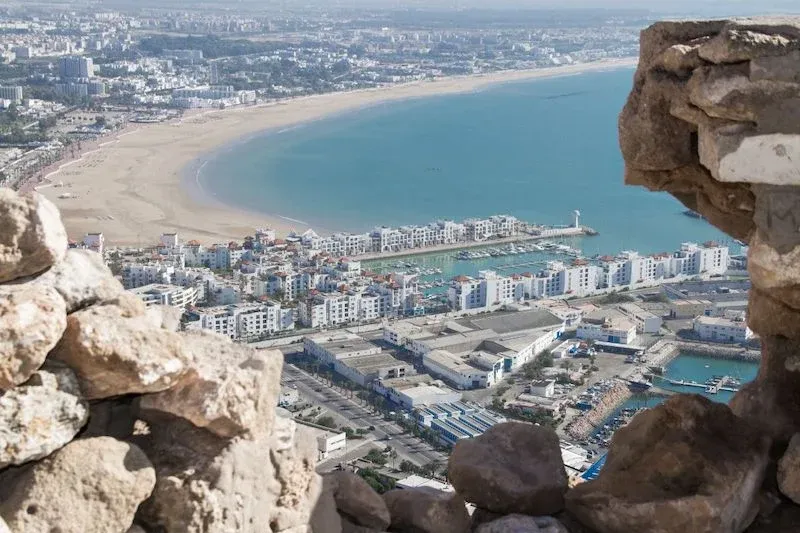
Another crucial aspect of the preparations is the hospitality sector, where the goal is to add an additional 60,000 hotel beds by 2030. Morocco is broadening its tourism appeal beyond traditional hotspots like Marrakech and Agadir, promoting destinations across the country, including Rabat, to meet FIFA's requirements and reinforce Morocco’s status as an international tourist destination.
Beyond infrastructure, the 2030 World Cup is anticipated to serve as an economic catalyst. The various construction projects are expected to generate thousands of direct and indirect jobs across multiple sectors, including construction, public works, transportation, engineering, and services. According to official data from the Moroccan Ministry of Economy and Finance, the organization of the 2030 World Cup is projected to create over 100,000 annual jobs by 2030, backed by an investment of 190 billion dirhams in infrastructure, with significant employment opportunities in construction, transportation, tourism, and various services.
With the projects underway and deadlines approaching, the next four years will be crucial for Morocco as it strives to be fully prepared to host the 2030 World Cup.
As reported by fr.hespress.com.