
Morocco's Renewable Energy Landscape: A Decade of Growth
Morocco is making significant strides towards achieving its ambitious goal of increasing the share of renewable energy in its electrical mix to 52% by the year 2030. According to the latest report from the International Renewable Energy Agency (IRENA), titled Renewable Capacity Statistics 2026, the total installed capacity of clean energy in Morocco has more than doubled over the past decade, rising from 2,417 megawatts (MW) in 2016 to 4,851 MW by the end of 2025. This remarkable progress is supported by a proactive strategy and enhanced attractiveness for green investments, positioning Morocco as the second-largest recipient of foreign direct investments (FDI) in renewable energy within the Arab world from 2003 to 2024, with an impressive influx of over $38.1 billion. This influx has resulted in the launch of 55 projects led by 32 companies, creating nearly 12,300 jobs, which accounts for 15% of the jobs generated in the region.
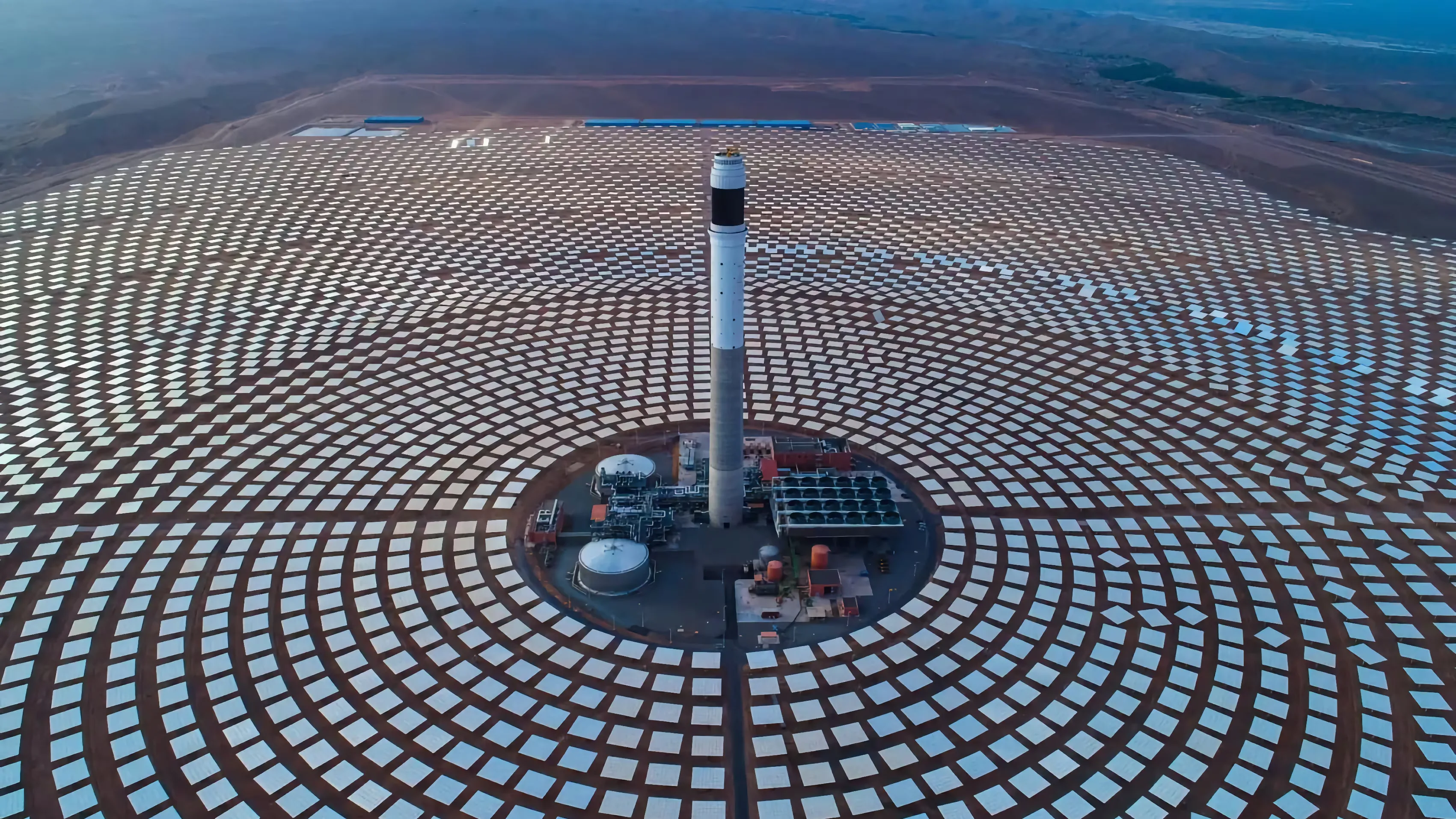
The IRENA report highlights that the observed growth in the renewable energy sector over the last decade is predominantly driven by solar energy, with installed capacity soaring from 202 MW to 1,086 MW between 2016 and 2025—an increase of over fivefold. This achievement can be attributed to large-scale projects such as the Noor complex in Ouarzazate and the accelerated deployment of photovoltaic systems. However, it is important to note that solar energy has faced significant technological challenges. The difficulties encountered by the Noor Ouarzazate plant, which relies on concentrated solar power (CSP), have revealed the limitations of this technology, characterized by high costs and complex maintenance requirements. This realization has prompted Morocco to pivot its renewable energy strategy towards photovoltaic systems, which are considered more competitive and quicker to deploy. Projects like Noor Midelt have been reconfigured to prioritize photovoltaic technology combined with energy storage systems to adapt to global market changes.
Wind Energy Dominance and Future Challenges
Despite the surge in solar energy, wind power continues to dominate the renewable energy landscape in Morocco, accounting for 52.5% of the total, as noted in the IRENA report. This renewable source has nearly tripled in capacity over the last decade, increasing from 902 MW in 2016 to 2,452 MW in 2025. Morocco has now established itself as a leader in wind energy production within the Arab world, representing nearly 42% of the regional total. In contrast, hydropower has stagnated at 1,306 MW during this period, hindered by climatic fluctuations and the scarcity of water resources, while bioenergy remains marginal, stagnant at just 7 MW.
In terms of off-grid renewable energy systems—those generating electricity independently from natural sources like solar and wind without connection to the public grid—the IRENA report reveals that installed capacity in Morocco has increased from 25.87 MW in 2016 to 28 MW in 2025. The growing momentum in renewable energy has enabled it to represent 39.6% of Morocco's total electrical capacity, up from 28.9% in 2016, edging closer to the targeted 52% by 2030. In the effective electrical mix, renewables accounted for 27% of total electricity production in 2024, marking a year-on-year increase despite a 9% decline in hydropower production and a 25% decrease in solar production due to the unavailability of the Noor Ouarzazate III solar plant. It is worth noting that national electricity production relies on various segments, including the facilities of the National Office of Electricity and Drinking Water (ONEE), private producers operating under contracts with the Office, projects developed with the Moroccan Agency for Sustainable Energy (Masen), free market operators governed by Law 13-09, and self-production.
In 2024, national production reached 43,713 GWh, reflecting a 3% increase year-on-year. The production mix remains dominated by coal, which constitutes 60% of national production, despite a 4-point drop from the previous year, followed by wind energy at 21% and natural gas at 10%. In this context, the issue of energy storage becomes crucial as the rise of photovoltaic systems brings challenges related to intermittency management. Consequently, Morocco is focusing on developing pumped storage power stations (PSPS), which enable hydraulic electricity storage, as well as high-capacity batteries. Furthermore, natural gas is emerging as a strategic backup energy source to stabilize the grid, while coal, although still dominant, is expected to gradually decline without disappearing in the short term.
Morocco is currently leading the renewable energy advancements in the Maghreb region, significantly outpacing its neighbors Algeria (601 MW) and Tunisia (1,206 MW). Between 2016 and 2025, Morocco has added over 2,400 MW of net renewable capacities—a substantial effort that is expected to intensify, with anticipated investments set to grow. A strategic convention was signed in Rabat on November 4, 2025, between the government, ONEE, Masen, and the National Agency for Strategic State Participation Management to produce 5 gigawatts of green electricity by 2030 for the Moroccan industry. This initiative, part of the National Renewable Energy Program (PNER), aims to enhance the Kingdom's energy sovereignty, reduce costs across the value chain, and ensure the contractual stability of projects.
Moreover, the development of seawater desalination powered by renewable energy reflects the emergence of new synergies between public policies, coupled with additional pressures on electricity demand. Ultimately, Morocco has successfully transformed its energy landscape over the past decade. However, the challenge now lies not only in increasing capacity and producing more green energy but also in constructing a flexible, resilient, and integrated electrical system. This is an essential condition for establishing the Kingdom as a low-carbon electricity hub, particularly for Europe and Africa.
As reported by fr.le360.ma.