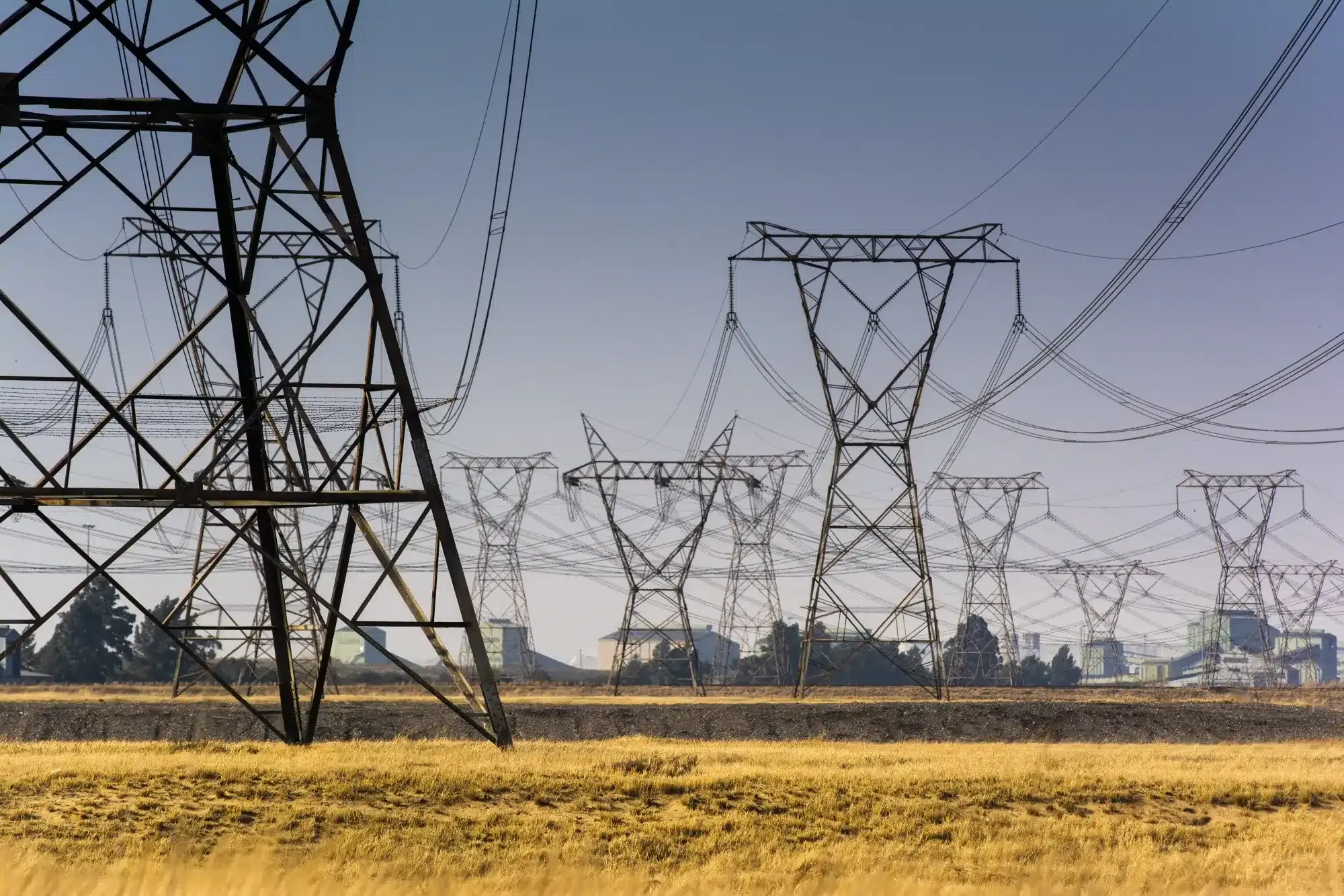

Morocco has embarked on a transformative journey in renewable energy, investing years into the development of solar farms and wind power projects. The latest endeavor aims to export this green energy directly to France, marking a significant step in the country's energy strategy. During the recent 15th France-Morocco meeting held in Rabat, officials from both nations unveiled plans for an innovative electricity interconnection named Pont de la Méditerranée. This ambitious project envisions a submarine cable that will transport renewable electricity from Morocco's Mediterranean region, specifically from Nador, to Marseille in southern France.
While the project is still in its nascent stages, it underscores a burgeoning interest from European countries in North Africa as a viable source of renewable energy. Although Morocco is not yet a major exporter of renewable electricity, the country's efforts to harness its abundant solar and wind resources are beginning to attract attention. In 2025, Morocco generated 45.9 terawatt-hours (TWh) of electricity, with renewable sources contributing approximately 25% of that total. The significance of this development lies not in Morocco's current export capacity, but in the recognition by European nations of the potential that North Africa holds for sustainable energy production.
Europe's Growing Interest in Moroccan Energy
The geopolitical landscape in Europe has shifted dramatically, particularly following Russia's invasion of Ukraine, which highlighted the vulnerabilities associated with relying on a limited number of energy suppliers. In response, European governments are actively seeking to diversify their energy sources, turning their gaze toward neighboring regions capable of providing renewable energy through new interconnections. Morocco stands out as a prime candidate due to its geographical proximity, favorable solar and wind conditions, and a decade-long commitment to building robust renewable energy infrastructure.
In addition to the proposed interconnection with France, Morocco is also working on the Sila Atlantik corridor, which aims to generate up to 15 gigawatts (GW) of renewable electricity for export, potentially targeting Germany and other European markets. Plans are underway for a third 700-megawatt (MW) connection with Spain, along with exploration for another link with Portugal. For Morocco, these initiatives present an opportunity to position itself as a crucial energy hub between Africa and Europe, leveraging its renewable energy capabilities to foster economic growth and sustainability.
The Challenges Ahead
Despite these ambitions, Morocco faces significant challenges. The country has made considerable strides in developing renewable energy, including the establishment of the Noor Ouarzazate solar complex and large-scale wind farms. However, the latest statistics indicate that Morocco still relies heavily on fossil fuels, which account for approximately three-quarters of its electricity generation. In 2025, while renewable sources produced 11.5 TWh of electricity, the country must continue to enhance its energy infrastructure to support both domestic consumption and export ambitions.
Emmanuel Benjamin, a renewable energy expert, emphasizes that the gap between Morocco's current energy generation capabilities and its export aspirations should not be regarded as a mere shortcoming. Instead, he suggests that Morocco's primary focus remains on building a renewable power system capable of meeting its domestic needs while developing the capacity for surplus generation. Achieving this balance will necessitate substantial investments in grid infrastructure and the establishment of reliable transmission networks to facilitate electricity exports.
Moreover, the broader context of Africa's energy landscape reveals a pressing issue: while the continent possesses vast renewable energy resources, nearly 600 million people still lack access to electricity. This raises critical questions regarding the ethics of exporting energy to Europe when significant portions of the African population continue to face energy poverty. Exporting renewable electricity can potentially stimulate foreign investment and bolster local infrastructure, yet it is imperative that these initiatives do not detract from the urgent need for reliable power within African nations.
As Morocco forges ahead with its plans for the interconnection with France, the real challenge lies not only in building a physical link across the Mediterranean but also in ensuring that the infrastructure supports both domestic needs and export capabilities. If Morocco can successfully generate sufficient clean energy to satisfy its own economy while maintaining a reliable surplus for export, it will exemplify a model for other African nations seeking to leverage their renewable resources. The potential for collaboration between Morocco and Europe could pave the way for a more sustainable energy future, but it is essential that this journey prioritizes the needs of the African population.
As reported by businessfront.com.