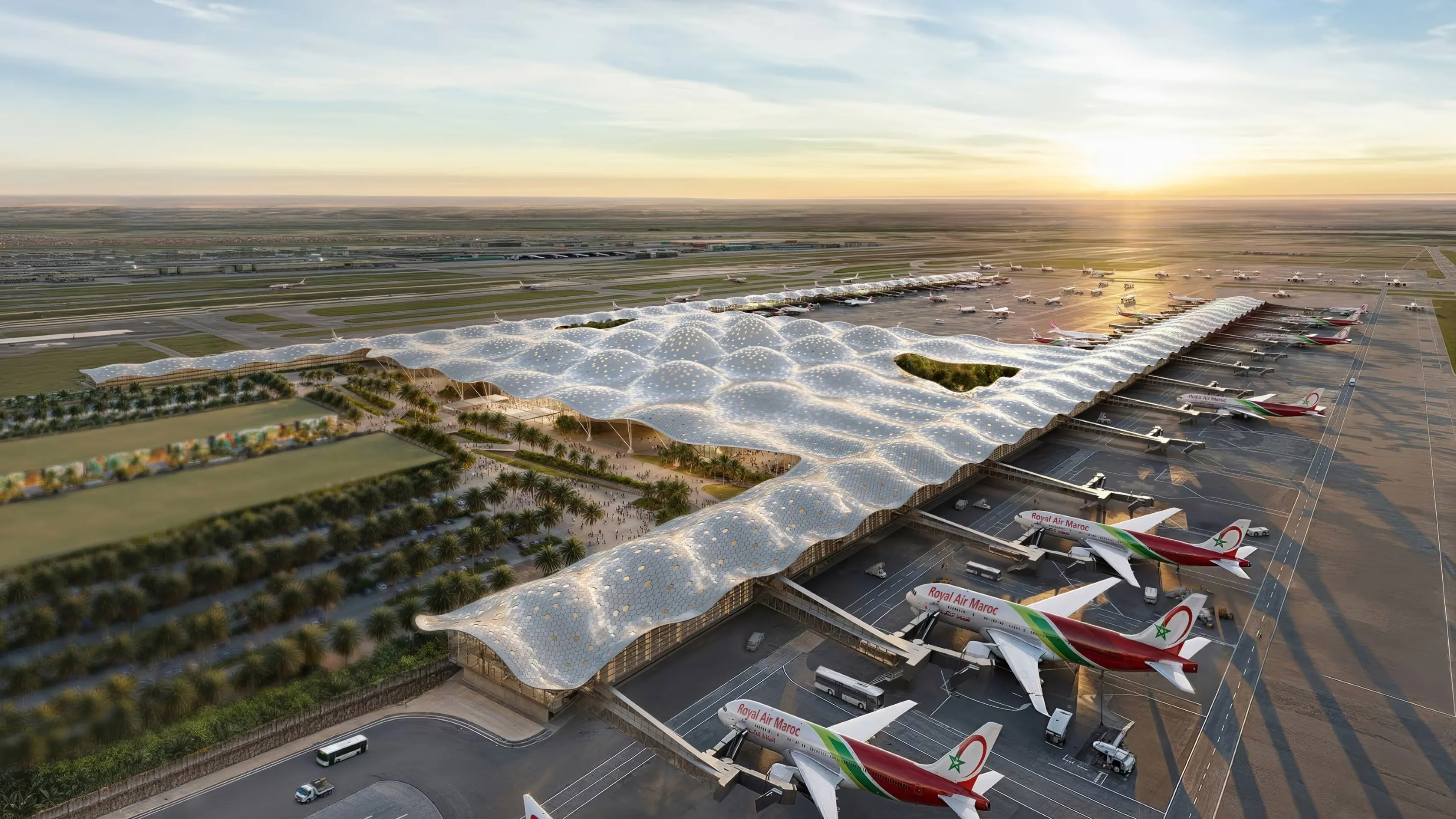
Transforming Morocco's Airports: A Vision for 2030
Morocco is embarking on an extensive modernization initiative aimed at its airport infrastructure, which is deemed crucial for accommodating the anticipated surge in air traffic and enhancing the country's appeal as a travel destination. According to Abdessamad Kayouh, the Minister of Transport and Logistics, as cited in the publication L’Economiste, the national airport capacity is set to double from 40 to 80 million passengers in the coming years. This expansion will focus on the principal airports across the kingdom, including those in Casablanca, Marrakech, Tangier, Agadir, Fez, and Rabat-Salé. The minister emphasized that the current challenge lies in completing these various projects and ensuring they are operational by the summer of 2030.
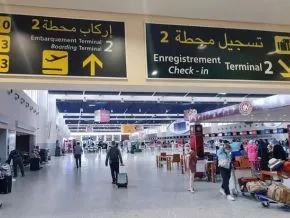
This ambitious strategy is built on concrete technical projects aimed at modernizing terminals to enhance passenger experience, upgrading critical infrastructure and navigation equipment to comply with the standards set by the International Civil Aviation Organization (ICAO), and accelerating the digitalization of passenger journeys. The ultimate goal is to harmonize performance, safety, and sustainability, thereby constructing resilient airports that are well-equipped to meet future air transport challenges. This initiative is part of Morocco's national roadmap, "Airports 2030," which seeks to anticipate significant traffic growth and prepare for major international events, most notably the FIFA World Cup scheduled for 2030.
Key Investments and Development Plans
The Casablanca hub, which serves as the backbone of Morocco's air transport network, is at the forefront of investment efforts. The most significant project involves the construction of a new terminal at Mohammed V Airport, recognized as the largest airport construction project in the nation, with an investment of 15 billion dirhams. Concurrently, the airports in Marrakech, Agadir, Tangier, Rabat-Salé, and Fez are also undergoing expansion and redevelopment projects aimed at managing the rising traffic, enhancing service quality, and boosting regional appeal. A budget of 10 billion dirhams has been earmarked for these endeavors.
Enhancing connectivity is another critical component of this strategy. Nationally, the focus is on strengthening domestic air links to improve inter-regional connectivity and enhance ties with the Casablanca hub. On the international front, Morocco aims to strategically open up to priority markets, particularly in Europe, Africa, North America, and the Middle East. This proactive approach includes launching new routes, reinforcing and liberalizing air agreements, and solidifying Morocco's role as a connecting platform between multiple continents. "The development of the Casablanca hub is central to capturing international traffic and reinforcing Morocco's position as a gateway to Africa," Kayouh stated.
Furthermore, ecological transition is prioritized within this modernization framework. Kayouh underscored that environmental considerations are integrated into a comprehensive and cross-cutting approach. The goal is to foster mobility while significantly reducing the environmental impact of the sector. To achieve this, the ministry plans to optimize traffic flows, modernize equipment, and introduce technological solutions aimed at reducing energy consumption and emissions. More profound transformations are underway, promoting sustainable transport modes, including rail and shared mobility solutions.
As reported by fr.le360.ma.