
Morocco's Projected Tourism Investments: A Closer Look
Between 2026 and 2030, Morocco is poised to mobilize nearly 50 billion dirhams (MMDH) in tourism investments, with the private sector serving as the principal driver behind this ambitious initiative. National operators are expected to account for approximately two-thirds of the overall investment, complemented by an increasing influx of international investors drawn to the Kingdom's dynamic growth and the upcoming 2030 World Cup. While public interventions may be limited in volume, they play a crucial catalytic role through land management, incentive mechanisms, and major upgrading programs, effectively generating a powerful leverage effect on private investment. The annual flow of tourism investment in Morocco has risen from around 7 MMDH in 2019 to nearly 9 MMDH by 2025, with projections estimating commitments to reach 10 MMDH by 2030. This growth reflects the concerted efforts to promote investments, sustained operator confidence, and the undeniable appeal of the Moroccan tourism market.
Moreover, Morocco is witnessing a significant enhancement in its tourism offerings. Over the past five years, the national hotel stock has grown by more than 14%, boasting a balanced structure: 25% of establishments are rated as three stars, 18% as four stars, and 16% as five stars and luxury accommodations. In total, high-end segments now represent over 53% of the classified hotel stock. This evolution signals the Kingdom's commitment to meet the increasingly demanding international market while bolstering its competitiveness in high-value sectors. At the same time, family-oriented offerings continue to develop, constituting nearly 30% of the stock, while rural tourism options make up 12%, underscoring the growing diversification of the Moroccan tourism experience. It is vital to maintain efforts in promoting investments, particularly in the development of tourist accommodations and entertainment facilities. The goal is to unveil new projects across all regions of the Kingdom, thereby enriching the national tourism offering, enhancing destination appeal, and better distributing tourist flows throughout the territory.
Investment Landscape and Emerging Destinations
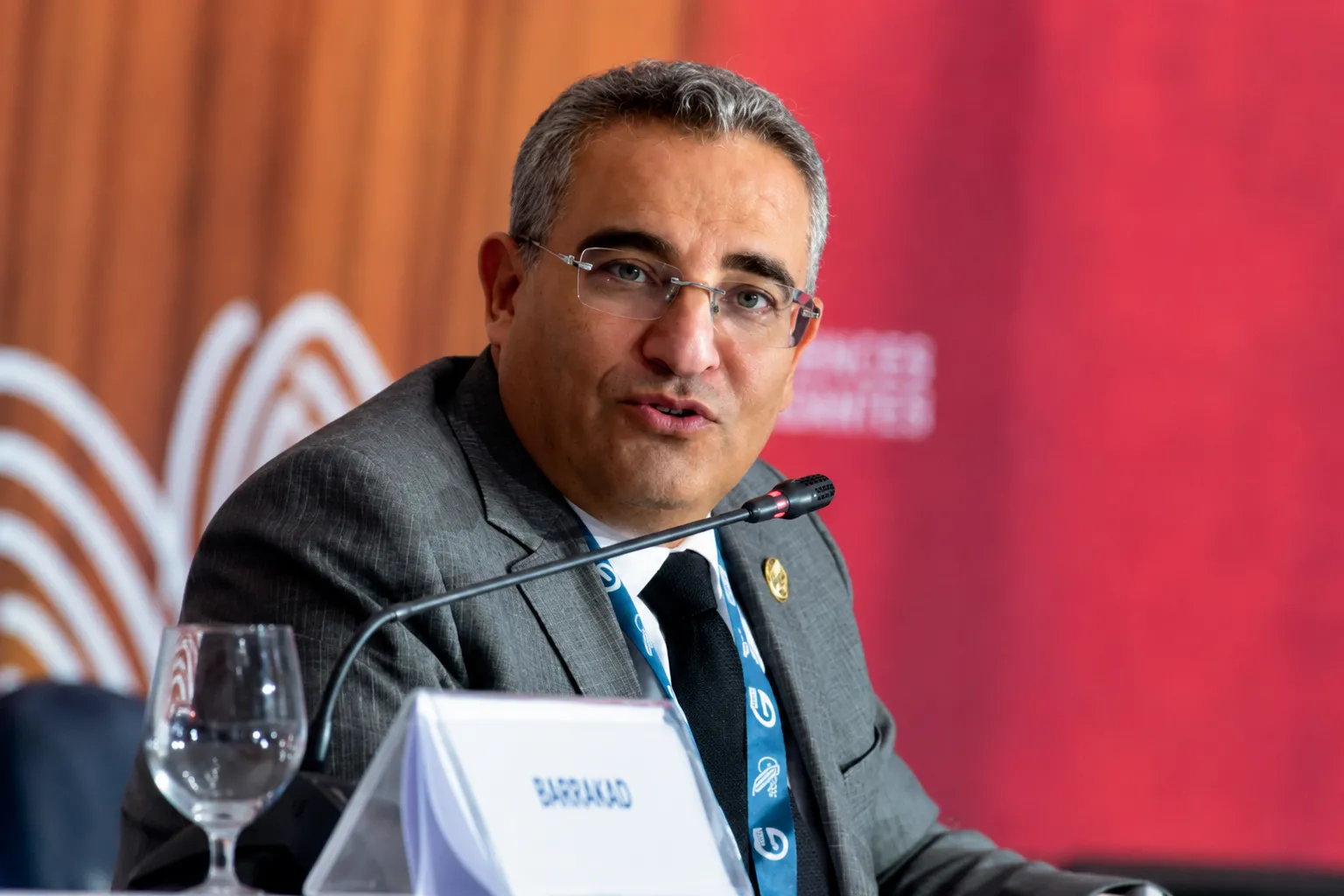
Imad Barrakad, the director of the Moroccan Investment and Tourism Promotion Agency (SMIT), plays a pivotal role as a catalyst and facilitator in this dynamic landscape. The agency is tasked with structuring an attractive investment offer, transforming the tourism potential of various regions into tangible opportunities, fostering public-private partnerships, and supporting investors throughout the project lifecycle. Today, Morocco possesses all the fundamentals necessary to sustain its growth trajectory: a clear vision, strong tourist demand, a competitive investment framework, and unique prospects linked to major international events.
As highlighted at a recent presentation in Berlin, Barrakad detailed a portfolio of over 700 hotel projects, representing approximately 26,000 additional beds and 34 MMDH in the pipeline. A significant portion of these projects has already secured confirmed financing, while others remain in the letter of intent stage. One of the most interesting trends observed over the past few years is the gradual diversification of the geographic distribution of tourism investments in Morocco. While Casablanca-Settat (32%) and Marrakech-Safi (30%) continue to be the primary engines of tourism investment, other regions are gaining momentum. Rabat-Salé-Kénitra now captures 15% of investments, driven by the influx of major international brands, while Souss-Massa accounts for 13%. This shift is beginning to benefit regions like Tangier-Tetouan-Al Hoceima, which currently attract only 5% of investments. As infrastructure strengthens and major international events approach, a wider distribution of investments towards new high-potential destinations is anticipated, contributing to a more balanced national tourism development.
As reported by fnh.ma.