
Morocco is poised to embark on a new chapter in its tourism development, transitioning from a phase of rapid growth to a more qualitative and evenly distributed tourism strategy across its territories. Following a swift recovery from the pandemic, the Kingdom now aims to attract over 26 million tourists by 2030, partially fueled by the excitement surrounding the upcoming World Cup.
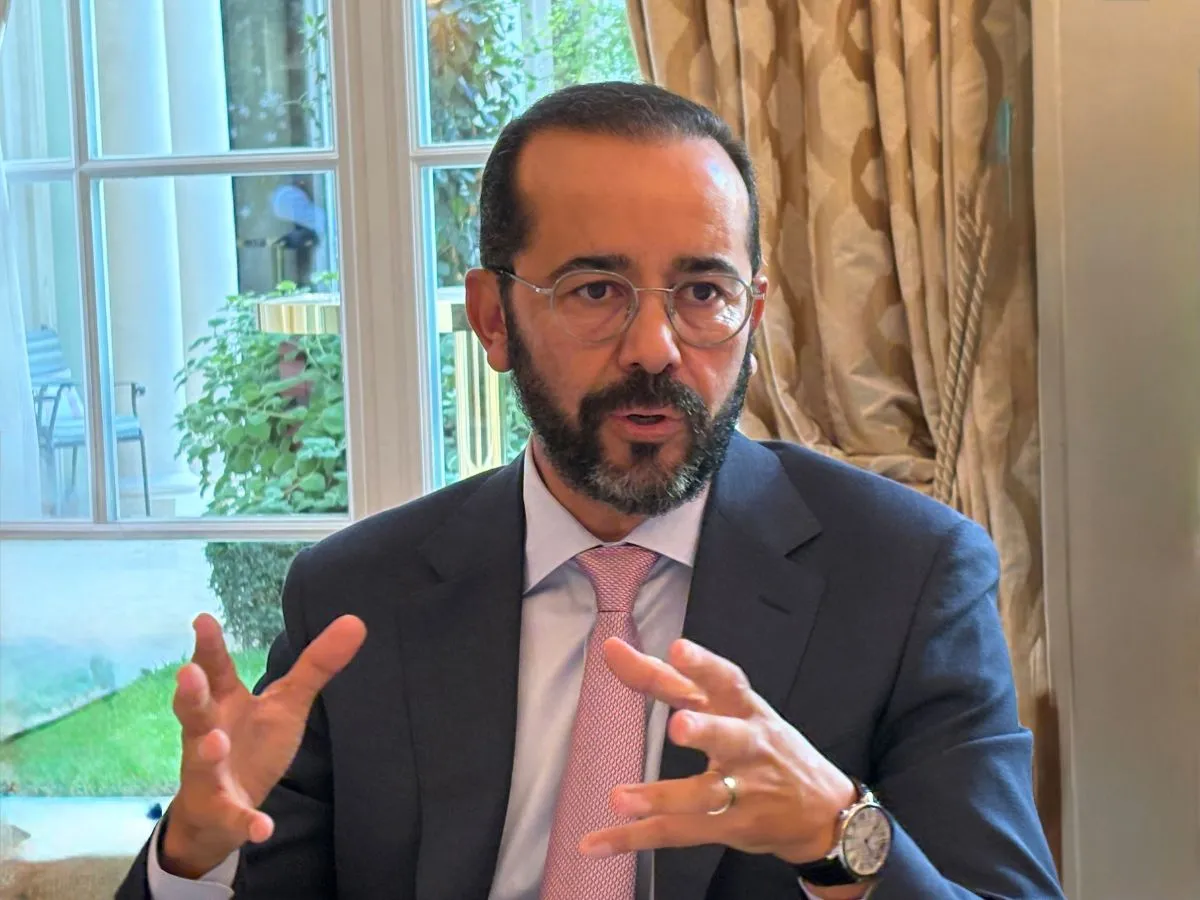
Achraf Fayda, the General Director of the Moroccan National Tourist Office (ONMT), emphasizes the need for a profound shift in communication strategies. Instead of merely promoting destinations, the focus will now be on igniting a desire to travel throughout Morocco by showcasing a multitude of unique experiences. This approach places France at the heart of Morocco's tourism strategy, recognizing the strong cultural and historical ties between the two nations.
As Morocco seeks to expand its tourism appeal, it is clear that the current concentration of tourist arrivals—primarily in Marrakech, Agadir, and Casablanca—needs to evolve. Fayda points out that nearly two-thirds of tourist arrivals are concentrated in these cities, highlighting the necessity to maintain their attractiveness while also encouraging exploration of lesser-known regions. As a result, cities like Rabat, known for its heritage, Fes with its rich history, and the diverse landscapes of the Oriental region, along with the desert territories and the majestic Atlas Mountains, must gain prominence in the minds of international travelers.
Marrakech: A Launchpad for Broader Exploration
In this strategic pivot, Marrakech remains a cornerstone rather than a focal point. Fayda compares the city to Paris, suggesting that just as the French capital served as a gateway to other regions, Marrakech can act as a springboard for discovering the broader offerings of the Kingdom. The goal is not to artificially shift tourists from one region to another but to expand the possibilities for discovery. By leveraging Marrakech's allure, the ONMT aims to promote the exploration of Morocco’s diverse regions and experiences, making it clear that there is much more to discover beyond the well-trodden paths.
This shift in focus is particularly significant, as the ONMT is now emphasizing experience over destination. Fayda notes that the primary factor influencing travel decisions has increasingly become the experiences travelers wish to have, often transcending the specific destination choice itself. Activities such as sports, hiking, surfing, gastronomy, culture, and wellness are now seen as gateways to showcasing regions that might otherwise struggle to gain traction in international markets. Dakhla serves as a prime example, gaining recognition through kitesurfing, which has attracted a new audience eager to explore its unique offerings.
Reimagining Morocco for French Travelers
This strategy takes on particular significance in the French market, which is the largest source of tourists for Morocco. The cultural and historical connections make the relationship between the two nations especially rich and intuitive. However, this familiarity also presents a marketing challenge, as many French tourists believe they already know Morocco, having visited popular destinations like Marrakech or Agadir. The ONMT’s task is to demonstrate that a return trip can offer radically different experiences. Fayda articulates this vision, aiming to inspire French travelers to rediscover Morocco from a fresh perspective, particularly through active vacation opportunities such as hiking, cycling, and exploring the desert.
Fayda encapsulates this transformation with the phrase, "moving from '3 x 3' to '10 x 10,'" indicating a shift from tourism concentrated in a few major destinations to promoting a broader array of regions and experiences. This strategic framework aims to enhance the distribution of tourism growth, ensuring that new territories can engage with various types of experiences.
Efforts to strengthen connectivity are also a priority, with Morocco aiming to develop more point-to-point flight connections, beyond the main airports. By enhancing accessibility to regions such as Nantes, Bordeaux, Nice, and others, Morocco seeks to promote less-visited destinations like Tamuda Bay, which boasts high-end hospitality and stunning landscapes.
As Morocco prepares for the future, the aim is to transform its branding from "Land of Light" to highlighting the "sources of light"—the diverse cultures, experiences, and landscapes that define the country. This evolution in communication will allow Morocco to present a rich tapestry of travel experiences, moving away from a one-size-fits-all narrative to a more personalized approach that resonates with travelers' desires.
Ultimately, the ONMT envisions welcoming 10 million French visitors while maintaining Morocco's status as a premier destination. Achraf Fayda’s paradigm shift emphasizes not only increasing visitor numbers but also creating lasting impressions that encourage travelers to rediscover Morocco, experience by experience, and region by region.
As reported by quotidiendutourisme.com.