As the centenary of the FIFA World Cup approaches, Morocco is embarking on an unprecedented modernization project that stands as a milestone in its recent history. With an investment of nearly 200 billion dirhams, the Kingdom is not only preparing to host a global sporting event but is also accelerating the structural transformation of its economy, infrastructure, and territorial planning for decades to come, as highlighted by the publication Les Inspirations Éco.
This acceleration became evident during a tripartite business forum that brought together the General Confederation of Moroccan Enterprises, the Spanish CEOE, and the Portuguese CIP at the Mohammed VI Football Complex. This meeting marked the transition to an operational phase in the preparations for the 2030 World Cup, which will be co-hosted across two continents. The message is clear: the competition will thrive on a robust public-private partnership that will significantly involve the national entrepreneurial fabric. Despite the current unstable international climate, Morocco exhibits a solid trajectory, characterized by a projected growth rate exceeding 5%, controlled inflation around 1%, and a record level of foreign direct investments.
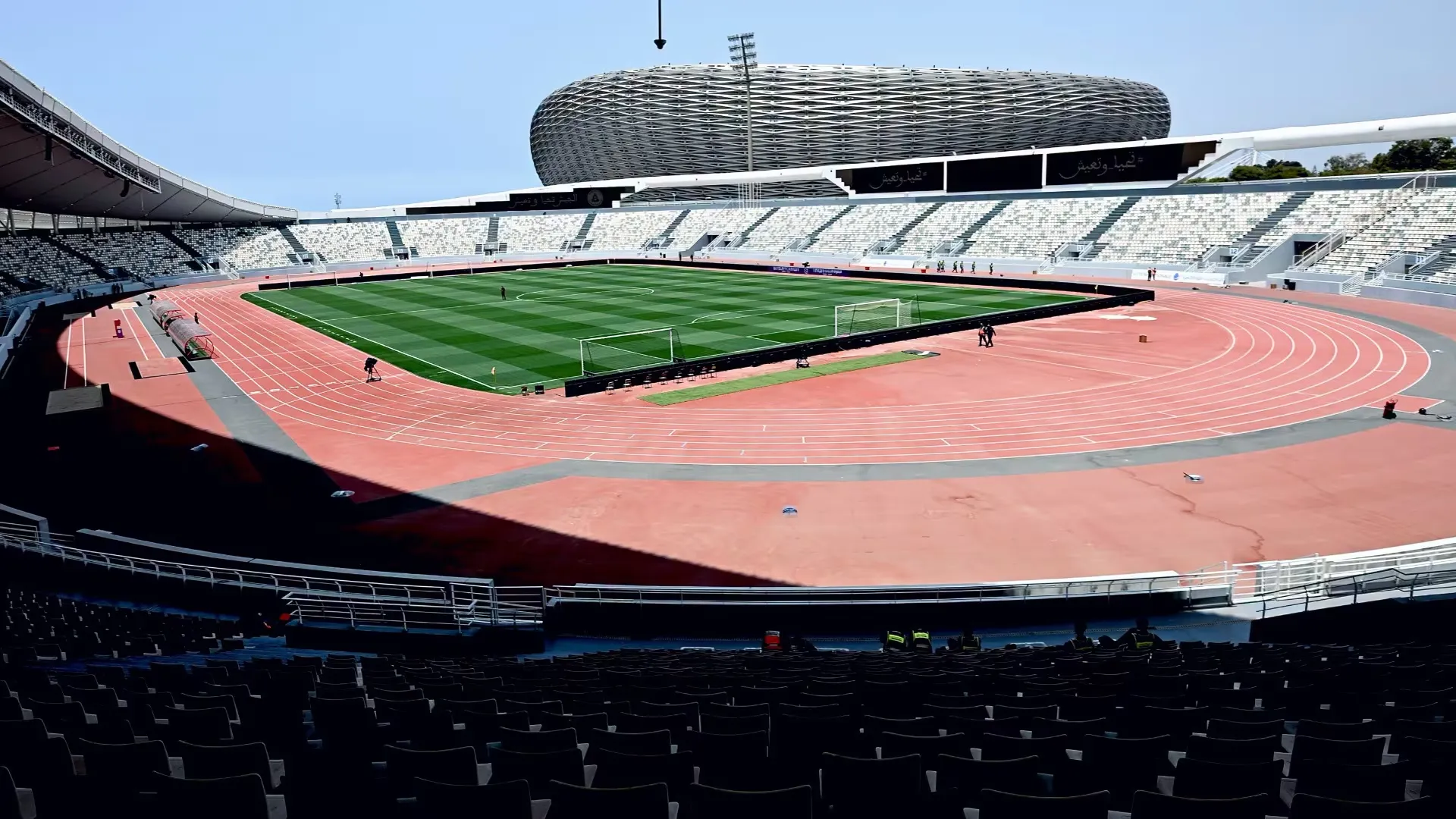
The upcoming event acts as a strategic catalyst, similar to the experiences of Spain in 1982 or Barcelona in 1992, securing and setting an irreversible investment timeline. The scale of financial commitment underscores this shift: the government has allocated over 190 billion dirhams to finance transportation, mobility, hospitality, and urban facilities. The outcomes of the 2025 Africa Cup of Nations (CAN) served as a real-world test, generating more than 2 billion euros in economic returns from around 1 billion euros in sports investments while mobilizing 3,000 local businesses and creating over 60,000 direct and indirect jobs. The sporting aspect now hinges on the FIFA-standard renovation of six existing venues in Tangier, Rabat, Casablanca, Fez, Marrakech, and Agadir, along with the construction of the Grand Hassan II Stadium in Benslimane, designed to accommodate 115,000 spectators for the opening match or the grand finale. The groundwork and major construction will be undertaken by national business groups that are now incorporating cutting-edge processes such as Building Information Modeling (BIM) and Lean Construction to comply with energy transition requirements, as noted in Les Inspirations Éco.
Managing the logistical influx of 101 matches across three countries demands impeccable mobility infrastructure. The high-speed rail network will extend over 430 kilometers to connect Kenitra and Rabat to Marrakech, thereby linking major urban hubs in the north and south. Meanwhile, regional express networks will develop around the metropolitan areas of Casablanca, Rabat, and Marrakech. The highway network is set to expand from 1,850 km to 3,000 km by 2030, notably through the Rabat-Casablanca continental highway and the Tit Mellil-Berrechid route. In the air travel sector, Casablanca's Mohammed V Airport will see the construction of a third major terminal to bolster its status as an intercontinental hub.
The tourism sector is also part of this expansion dynamic. Following the reception of nearly 20 million visitors in 2025, the country aims to reach 26 million tourists by 2030. To achieve this goal, an additional 60,000 hotel beds will be added to an already substantial national inventory exceeding 300,000 beds, ensuring accommodation for supporters during the tournament and a sustainable occupancy rate for a sector that contributes approximately 7% to the GDP, according to Les Inspirations Éco.
Leveraging the performance of its national team, the Kingdom uses sport as a direct lever for diplomacy and international visibility. This direction, driven by King Mohammed VI and executed by the Royal Moroccan Football Federation, is accompanied by a strategic refocusing on high-impact global events, reflecting the ambitions set for hosting the FIFA Club World Cup in 2029.
However, the true significance of this plan lies in its territorial impact. At least 35 cities will directly benefit from these outcomes through sanitation projects, urban requalification, environmental compliance initiatives, and the development of public spaces. By nurturing small and medium-sized enterprises throughout the value chain, Morocco is not merely preparing for a month of sporting competition; it is solidifying the economic and social structure of its future.
As reported by fr.le360.ma.