
Morocco's Groundbreaking Waste-to-Energy Initiative in Casablanca
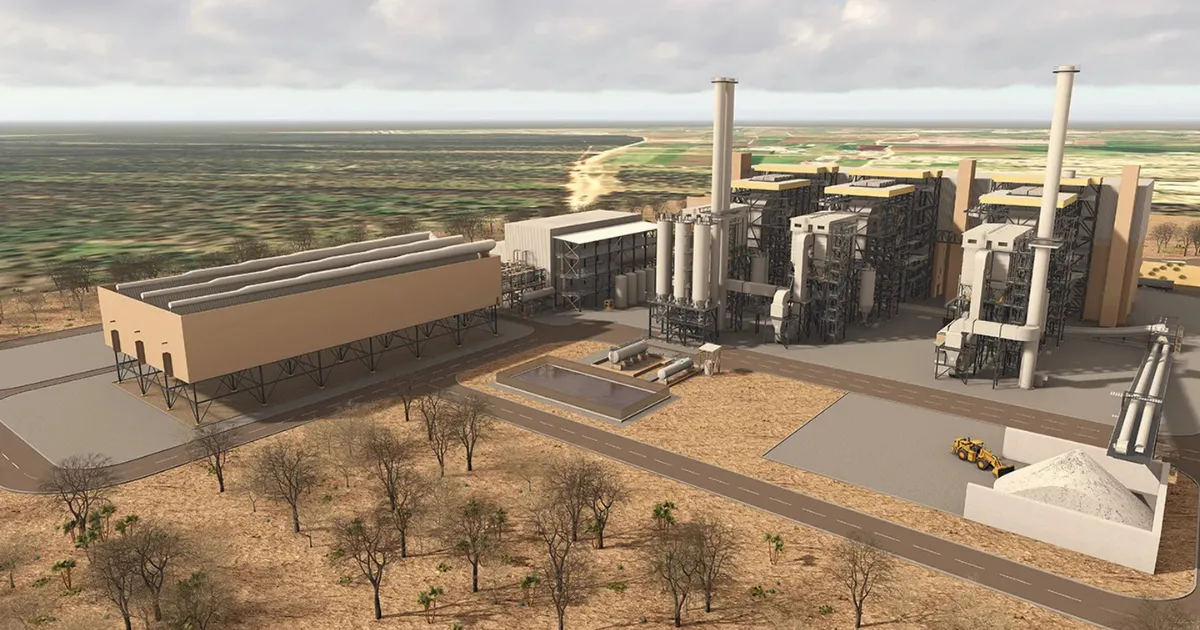
Morocco is taking significant strides towards enhancing energy recovery from waste through an ambitious project in Casablanca, with an estimated investment of approximately €1.3 billion. This initiative is being hailed as one of the most significant projects of its kind in Africa, according to the Portuguese information site Jornal PT Green. The project will establish the first integrated waste treatment and energy recovery facility in Morocco, located near the Médiouna landfill.
Designed to process around 1.5 million tons of municipal waste annually, the facility aims to produce nearly 1 terawatt-hour (TWh) of electricity. This transformative project seeks to overhaul the waste management model in the Greater Casablanca region, which is home to over 4.2 million residents. The goal is to increase the waste recovery rate to nearly 80% while significantly reducing reliance on landfilling. This initiative is also expected to contribute to Morocco's energy transition, as noted by the digital media outlet.
Economic Impact and Job Creation
Jornal PT Green highlights that the construction phase of this project, which is anticipated to last approximately three and a half years, will engage around 1,240 workers, in addition to nearly 300 jobs linked to related infrastructure. Once operational, the facility is expected to create about 140 permanent, skilled positions. The project stems from a partnership between the Moroccan company Nareva, Swiss firm Kanadevia Inova, and the Japanese group Itochu. The stakeholders have signed a concession contract with the Casablanca municipality and established electricity sale agreements with the regional multi-service company Casablanca-Settat and the National Office of Electricity and Drinking Water (ONEE), as stated in a communiqué from the Swiss company.
The installation will feature an installed electrical capacity of approximately 126 megawatts, complemented by a solar photovoltaic plant with a capacity of 50 megawatts-peak and a biogas recovery system from the landfill with a capacity of 4 megawatts. These infrastructures are expected to generate enough energy to meet the needs of around one million residents.
The project arrives amid a global surge in electricity demand, including in Morocco, where demand is projected to grow by 3% annually until 2030. According to Kanadevia Inova, shifting from landfilling waste to energy recovery will help reduce greenhouse gas emissions, particularly through the decrease of methane emissions and the generation of clean electricity. The Portuguese media also emphasizes the environmental impact of this project, particularly in reducing greenhouse gases and methane emissions associated with waste disposal. Furthermore, it notes that the facility will be designed to eventually integrate carbon capture and storage technologies, aligning with Morocco's long-term decarbonization goals.
As reported by h24info.ma.