Morocco's Strategic Position in the Global Landscape
A recent report from the Stimson Center highlights the significant political, economic, and geopolitical transformations taking place in Morocco. It emphasizes that Rabat has emerged as a pivotal bridge connecting Europe, Africa, and the broader Mediterranean region, skillfully leveraging industrial policies, trade integration, and diplomacy to reposition itself as an ascending middle power. The report notes that Morocco's achievements in the automotive and renewable energy sectors reflect a shift towards higher value-added economic integration, while ambitious social and digital reforms aim to ensure sustainable long-term growth.
The report confirms that by 2026, Morocco will evolve into an advanced middle power with a unique structural position at the intersection of Atlantic, Mediterranean, and coastal domains. It is no longer merely a buffer state for managing European migration; instead, it has transformed into a proactive regional player and a cornerstone of stability at the crossroads of Europe and Africa. Under the leadership of King Mohammed VI, the country has capitalized on its geography to facilitate trade, investment, and security cooperation across continents, reshaping the strategic framework of the Maghreb region.
Economic Diversification and Investment Growth
The Stimson Center's research tracks Morocco's transformation from a low-cost manufacturing platform to a high-tech industrial exporter and a leader in green energy. The rise of integrated automotive, aerospace, and critical minerals sectors has altered Morocco's position in global export chains, attracting sustainable European and Gulf investments, and establishing the nation as a preferred destination for relocating industrial activities closer to markets. The diversification of Morocco’s exports has surpassed traditional products such as phosphates, citrus, and textiles to include high-value-added manufacturing, with the automotive sector epitomizing this shift. Currently, automotive exports, including wiring and engines, account for approximately 25% of total goods exports, surpassing phosphates. This growth is attributed to sustained investment in infrastructure and workforce development.
The American research institution also notes Morocco's increasingly strategic role in the global critical minerals landscape. Besides its prominent position in phosphate production, the country boasts substantial reserves of cobalt, copper, nickel, manganese, barite, and fluorine. Morocco ranks as the ninth largest cobalt producer globally and holds the eleventh largest cobalt reserves. These minerals are essential inputs for electric vehicles, renewable energy systems, semiconductors, and defense industries. Additionally, Morocco is positioning itself as a center for battery materials, leveraging its phosphate dominance to produce lithium and iron phosphate batteries.
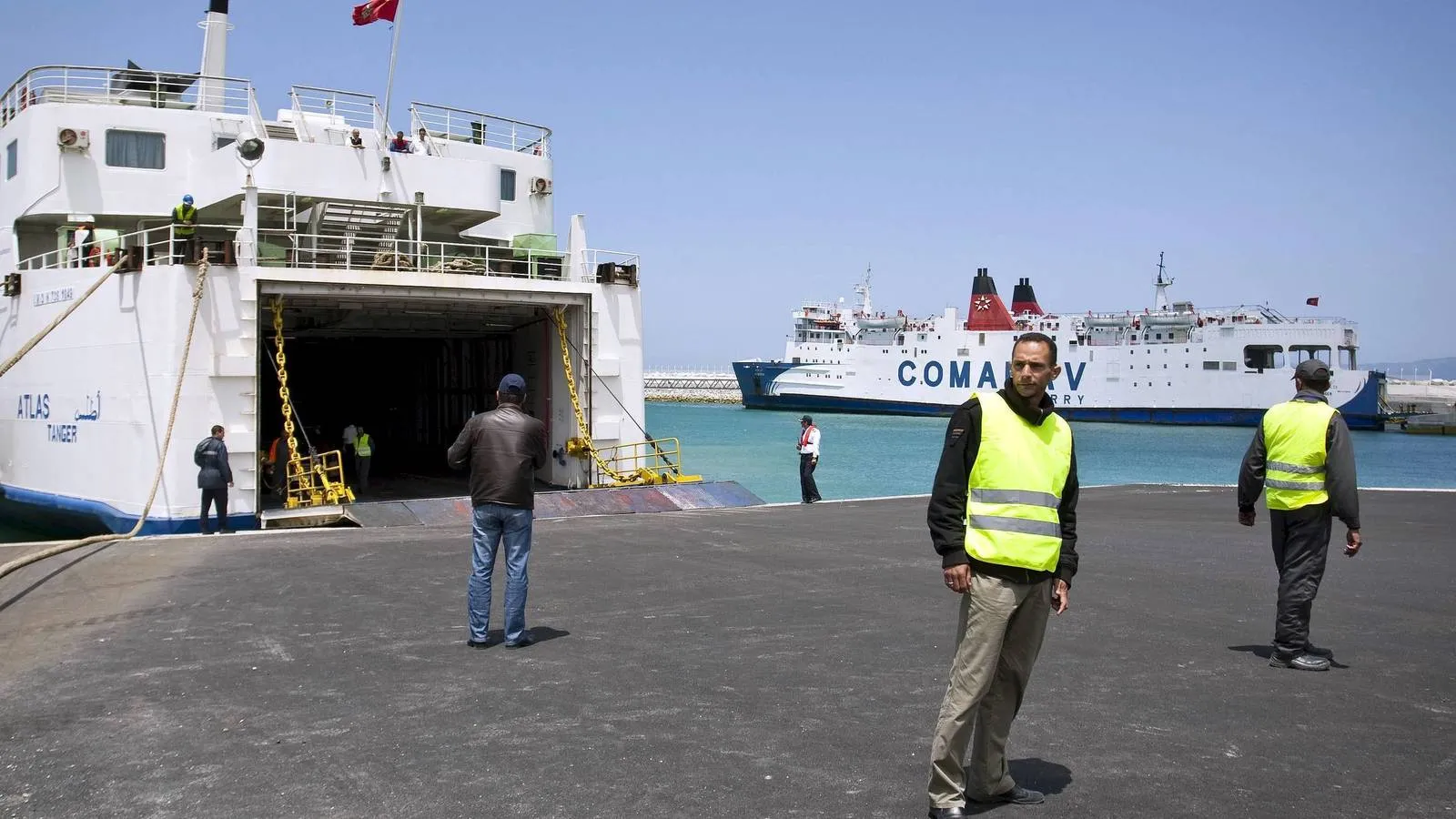
On the investment front, the report details that Morocco has adopted a systematic approach to enhancing the investment climate and attracting foreign direct investment (FDI). Foreign investment flows have robustly recovered, bolstered by the 2022 Investment Charter, which introduced new incentives and strengthened investor protections. Free zones and industrial clusters play a crucial role in attracting investment; for instance, the Tangier Med Port complex features specialized industrial zones in automotive, logistics, and textiles, offering streamlined customs procedures, tax incentives, and modern infrastructure.
In terms of African engagement, the document emphasizes that Morocco's return to the African Union represents a significant strategic shift towards deeper involvement with Africa. King Mohammed VI has undertaken multiple official visits to Sub-Saharan African countries, encompassing over 30 nations, facilitating the signing of numerous bilateral agreements in areas such as trade, investment, infrastructure, agriculture, and religious training.
Moreover, Morocco maintains strong ties with Gulf countries, particularly the UAE, which has emerged as a major investor in real estate, ports, tourism, and renewable energy within Morocco. Dubai Ports World, for example, operates the container terminal at Jorf Lasfar. These Gulf partnerships bring capital, technology, and political support for Morocco's regional positions. Morocco has also contributed to Gulf security through participation in the Saudi-led coalition in Yemen (2015-2019) before its withdrawal, while carefully balancing its relationships across the Arab world, maintaining connections with both Saudi Arabia and Qatar despite their previous disputes, and pragmatically engaging with both Israel and Palestinian factions.
Regarding the Moroccan diaspora, the Stimson Center notes that approximately 5 million Moroccans live abroad, chiefly in Europe, with France hosting over 1.5 million. These communities send significant remittances that support household incomes, fund consumption and housing, and contribute to local development. However, the phenomenon of brain drain remains a concern, as many university graduates seek opportunities abroad due to limited job prospects, striving for better salaries and quality of life. This outward flow represents a loss of human capital, although some return with skills and capital, at a time when the government aims to create conditions that retain talent while leveraging the diaspora's networks for investment and knowledge transfer.
In conclusion, the American research center asserts that Morocco has achieved remarkable stability and progress over the past two decades. The constitutional monarchy has instituted gradual reforms while maintaining order, and economic liberalization, trade agreements, and industrial policies have diversified the economy and attracted investment. Nevertheless, significant challenges remain; rising youth unemployment, regional disparities, and water scarcity threaten social cohesion and economic stability. It is crucial to balance ambitious social programs with financial sustainability, which requires enhancing tax revenue collection and achieving sustainable economic growth, as ineffective government bureaucracy, corruption, and slow regulatory reform continue to hinder private sector development.
As reported by hespress.com.